



Editor's Note: This story originally appeared on LawnStarter.
Mosquitoes can ruin your outdoor fun, but with a few simple steps, you can get rid of mosquitoes in your yard and stop these pesky biters from bothering you.
If eliminating standing water and maintaining your yard aren’t making much of an impact, you can always call in the professionals. With monthly treatments, you can once again enjoy your backyard patio and stop scratching mosquito bites.
As someone who lives in an area with intense mosquito activity, I know firsthand how annoying they can be. So let’s cover some different ways to get rid of mosquitoes in your yard.
Understanding the Mosquito Lifecycle

Before we discuss our tips on how to get rid of mosquitoes outside, let’s understand the mosquito lifecycle so you can use the most effective strategies in your fight against these insects:
- The female mosquito lays her eggs on standing water or areas near water that will later fill up when the rain comes (typically the base of plants or on the soil).
- While in the water, the eggs hatch and become larvae (also called “wrigglers”). There, the larvae will develop into a pupae (or “tumblers”).
- The mosquitoes will then emerge from the pupa stage as fully developed adults. The female will go after a blood meal so she can successfully reproduce and look for water sources where she will lay eggs and continue the cycle.
Once fully developed, male mosquitoes live six to seven days, while females live an average of six weeks (some can even live up to five months or more).
Now let’s look at ways to eliminate mosquitoes from your yard.
1. Breeding Site Elimination

If you want to see fewer mosquitoes in your yard, remove any standing water. Why is this so important? Because as we mentioned above, still water is like a nursery for mosquitoes. Female mosquitoes will lay their eggs in standing water that can be found in:
- Rain barrels
- Birdbaths
- Gutters
- Kiddie pools
- Pet bowls
- Saucers under flower pots
- Outdoor furniture crevices
Getting rid of these standing water sources is a proactive approach to mosquito control. By eliminating these water havens, you’re stopping the next generation from taking flight.
My Tip: In my experience, eliminating standing water is the first and most important step to get rid of mosquitoes. You’ll spend endless amounts of money on mosquito coils, sprays, and traps, but none will show substantial results until you make sure the mosquitoes don’t have a means of reproducing near your home.
Talk to your neighbors as well, as breeding grounds might also exist in surrounding properties.

2. Larvicides
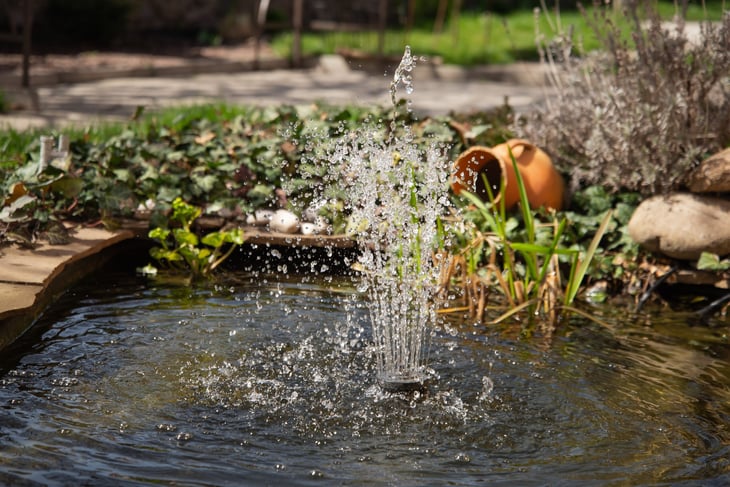
Often, there are areas of standing water that we simply cannot eliminate. Enter larvicides. These potent tools are designed specifically to target the larval stage of the mosquito life cycle.
The most popular larvicides for home use (most often sold as dunks) contain a bacterium known as Bacillus thuringiensis subspecies israelensis, or Bti. This bacterial larvicide kills mosquito larvae, ensuring they don’t mature into biting adults. While lethal to larvae, Bti is harmless to other organisms, making it a safe and environmentally friendly option to control mosquitoes.
Utilizing larvicides is straightforward. They can be added to various stagnant water features around your property, including:
- Fountains
- Ornamental ponds
- Swimming pool covers
- Birdbaths
- Cisterns
- Rain barrels
- Septic tanks
Warning: Bti should be reserved for water sources that aren’t intended for human drinking.
3. Insect Growth Regulators (IGRs)

Another strategy to fight the mosquitoes in your yard is to use insect growth regulators (or IGRs). IGRs don’t kill insects on contact but affect their growth and reproductive cycles by mimicking hormones. IGRs are applied to standing water sources and will affect a mosquito’s reproductive cycle:
- Mosquito eggs, when treated with growth regulators, will either not hatch or, if hatched, the larvae will not survive.
- Larvae and pupae affected by the IGRs will not develop into adult mosquitoes.
- Adult mosquitoes that come in contact with IGRs will either become sterile or will produce eggs that won’t hatch.
One popular IGR used for mosquitoes is known as methoprene, which you can find commercially under the labels of Altosid Pro-G and Pre-Strike Mosquito Torpedo.
Because IGRs are generally selective, they won’t affect waterfowl like ducks, mammals, or most beneficial insects. They can, however, affect certain fish species, amphibians, crustaceans, and some aquatic invertebrates.

4. Adulticides
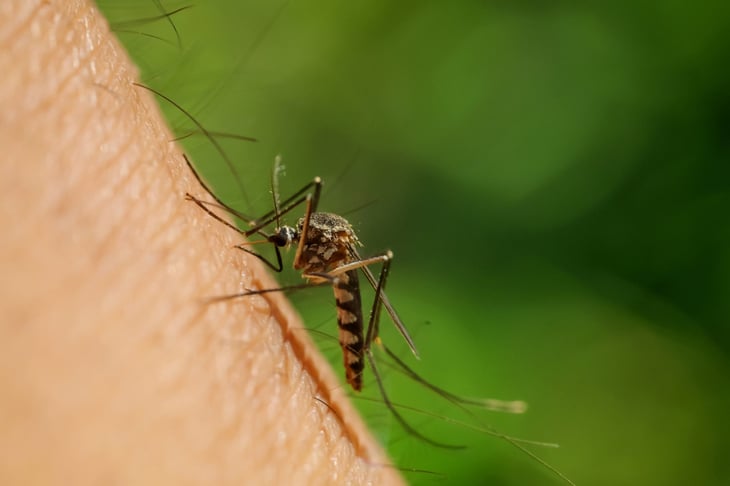
Adulticides are substances that kill adult mosquitoes on contact (and some also leave a residue that keeps killing mosquitoes over time, such as with residual barrier treatments). Some of the popular ways to use adulticides are via:
- Mosquito foggers and sprayers
- Mosquito coils
- Aerosols
- Liquids
You can apply adulticides where mosquitoes like to rest: under plants, under the leaves of trees and bushes, in tall grasses and brush, and generally any moist and shady area. You may also apply them underneath porches and decks.
Just keep in mind that adulticides will harm beneficial insects (such as bees and butterflies), so remember not to apply them near pollinator plants while they’re in bloom.

5. Mosquito Foggers and Sprayers
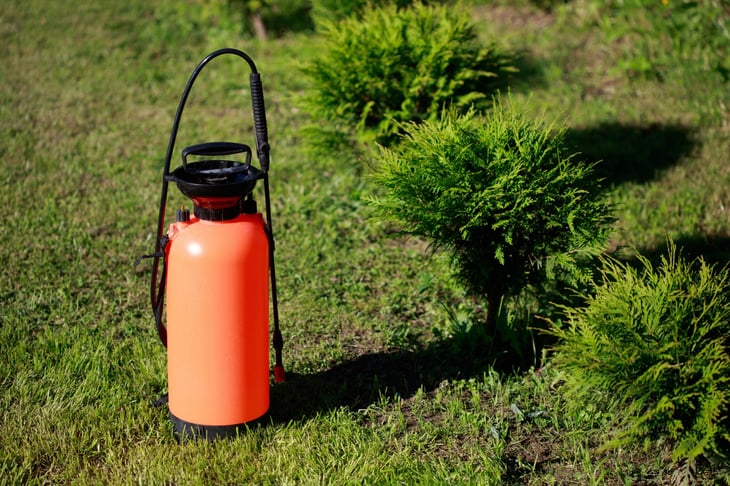
Mosquito foggers and sprayers are different tools used to apply adulticides. Each tool has a distinct method of operation and its own advantages:
- Foggers: Foggers are specialized machines that release a fine mist of insecticide. This mist permeates the air and settles onto surfaces, targeting both flying mosquitoes and those resting in vegetation. Mosquito foggers typically have an immediate knockdown effect and are often used prior to special events.
- Sprayers: Sprayers release a direct stream of liquid insecticide. They allow you to target specific problem areas or breeding sites easily. Some sprayers come in a hose-end system for ease of use.
Warning: Read and follow all label instructions when using insecticides. This includes ensuring the correct dilution rate and adhering to the specified waiting time before re-entering the treated area. Misusing these chemicals can pose health risks, so always prioritize safety.
Another way to get rid of mosquitoes in your backyard is through residual barrier treatments, which consist in applying chemicals like pyrethroids to surfaces throughout your yard where mosquitoes are likely to rest.
These chemicals will typically last up to four weeks, depending on the active ingredient. During this period, they eliminate adult mosquitoes and, depending on the product, the mosquito eggs and larvae that come into contact with the treated surfaces.
Residual barrier treatments can be applied to:
- Vegetation
- Fences
- Walls
- Eaves
If you’re considering this option, keep in mind that a chemical barrier treatment will not only eliminate mosquitoes but every insect it comes in contact with, including pollinators and other beneficial insects for your lawn, fish, and other water species. Residual barrier treatments are most often applied by licensed pest control professionals.

7. Mosquito Misting Systems
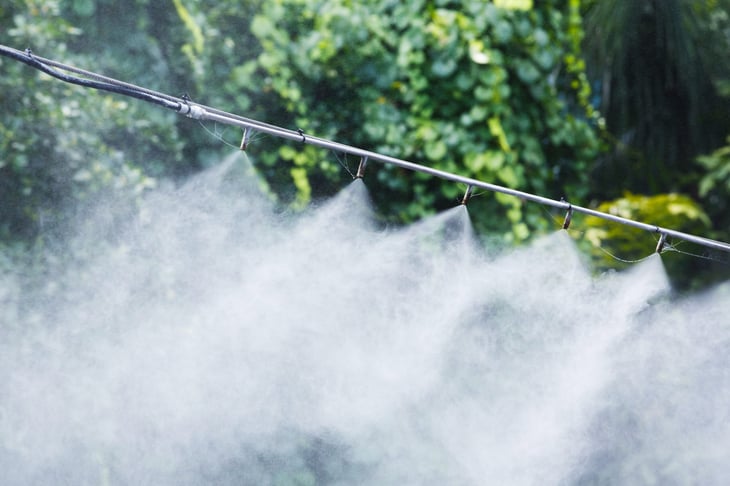
Another way to keep mosquitoes away is to install a misting system. Also called “mosquito misters,” these systems consist of a group of spray nozzles connected to a tube that supplies them with insecticides.
They are installed outdoors, typically around your home’s perimeter or along a fence, and periodically release a mist that will kill mosquitoes and other insects.
Mosquito misting systems don’t yet have conclusive evidence about their effectiveness. And keep in mind that, as is the case for residual barrier treatments and adulticides, mosquito misters also kill beneficial insects (including pollinators) and can be toxic to pets and humans.
Side note: The regulations surrounding mosquito misting systems vary by state, so before installing anything, check with your state pesticide regulatory agency.
8. Yard Modification and Maintenance

When it comes to making your yard less inviting for mosquitoes, basic lawn care plays a surprisingly pivotal role. Many homeowners are unaware that their lush green spaces can serve as a refuge for these pesky insects.

Maintenance Against Mosquitoes

Here’s how mowing your lawn, trimming your shrubs, and dethatching and aerating can reduce your mosquito problem.
Mow your lawn: Mosquitoes love to lurk in tall grasses and dense vegetation. These places offer them protection from the scorching sun and predators, and they provide a cool and moist atmosphere, which is ideal for them. Regularly mowing your lawn ensures that these insects don’t find such hiding spots.
Trim shrubs: Overgrown shrubs, bushes, and hedges are attractive hideouts for mosquitoes. Keep these trimmed and in check so this vegetation doesn’t become a haven for mosquitoes.
Dethatch and aerate: A lawn that doesn’t drain well can be a magnet for mosquitoes. Compacted soil prevents water from seeping in effectively, leading to pooling on the surface. Over time, this can become a prime breeding ground.
- Dethatching involves removing the layer of grass and roots on your lawn’s surface, promoting better water absorption.
- Aerating, which involves perforating the soil with small holes, allows water and air to penetrate more deeply.
These steps improve drainage, which is important to discourage water pooling and reduce mosquito breeding spots.

Modifying Your Yard Against Mosquitoes

Fill in low areas or holes that might accumulate water.
Invest in hardscaping solutions for your yard. Fire pits, pergolas, patios and stone pathways reduce vegetation and opportunities for water to pool in your yard.
Add filters, pumps or fountains to water sources. Mosquitoes lay eggs in stagnant water, so if you have water features in your backyard, add a mechanism to make the water circulate.
Include fans on your patio, deck, or any area in your yard where you’re spending time. Can fans really help ward off mosquitoes? Yes. Here’s how:
First, mosquitoes are weak fliers, so the wind currents generated by a fan make it challenging for them to navigate.
Second, humans naturally exhale carbon dioxide (CO2), and mosquitoes have specialized sensors that help them locate potential blood meals by detecting CO2 plumes. A fan, especially when oscillating, disperses this carbon dioxide, making it harder for mosquitoes to zero in on their targets.

9. Mosquito-Repelling Yard Treatments

What if your green space could double as a mosquito repellent? You can add certain features to your yard that will help you in your battle against these skeeters.
1. Plants: While the plants alone won’t repel mosquitoes, they can be a readily available source of repelling oils. By crushing and spreading the leaves on your clothes, or even by burning them, you have a quick homemade mosquito repellent. Here are some popular insect-repelling plants that will help you:
- Lemongrass
- Marigolds
- Peppermint
- Citronella grass
- Basil
- Catnip
2. Mulch: Consider using cedar mulch instead of regular mulch, since cedar wood contains oils that naturally repel mosquitoes and other insects. You can also spray neem oil and citronella oil around your yard and home to repel these pesky biters.
3. Repellent devices and products: Additionally, there are several mosquito repellent devices on the market, but if you’re working with a tighter budget, traditional mosquito-repelling coils, incense, or candles can offer a simpler and more affordable alternative.
My tip: The secret to choosing an effective citronella candle is to make sure it exudes the citronella scent even before you light it up. In my experience, if you buy a candle that doesn’t smell like citronella before it is lit, it won’t release the aroma once you light it up, and the mosquitoes will have a feast.
10. Biological Control Agents
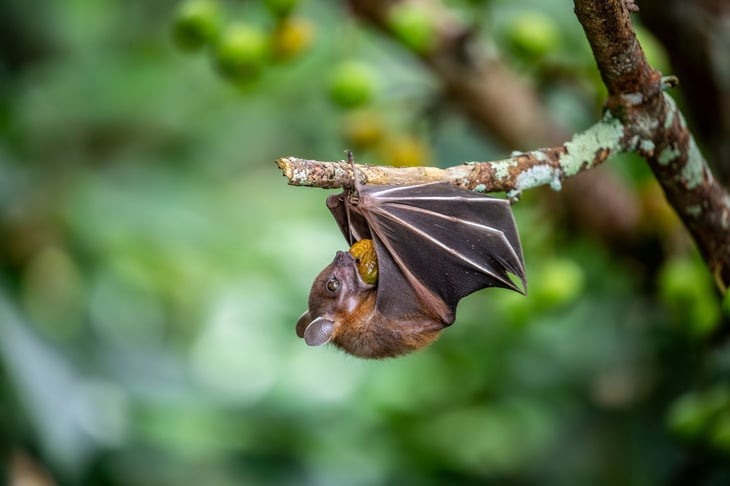
Introducing or encouraging mosquito-eating species in your yard can be a strategic move to get rid of mosquitoes naturally. Here are some insects and other animals that include mosquitoes as part of their diet:
- Bats and other wildlife: Turn your yard into a certified wildlife habitat to attract insectivore bats and other native species, such as grass spiders and other insects that help control mosquitoes.
- Birds: See our guide on how to attract birds to your yard to invite purple martins, bluebirds, and cardinals.
- Damselflies and dragonflies: If you have a backyard pond or are thinking about adding one, add aquatic plants to attract these ferocious mosquito-eaters.
- Frogs: As with damselflies and dragonflies, frogs are attracted to water habitats. Building a small backyard pond can attract frogs and all kinds of unexpected guests, such as newts and aquatic beetles that help with mosquito control.
- Mosquitofish: Mosquitofish and other fish species such as koi can be introduced to your pond or water garden.
Each of these predators, despite their appetite for mosquitoes, has a diverse diet, with mosquitoes often forming just a small fraction of their total intake. Moreover, the sheer number of these predators required to noticeably curb mosquito populations would be substantial. As such, don’t expect this strategy alone to solve your mosquito problems.

11. Mosquito Traps
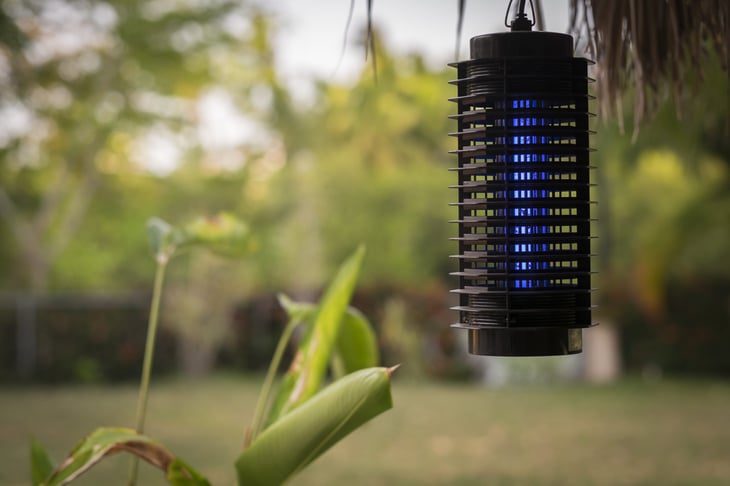
Mosquito traps have surged in popularity. Depending on your specific needs and preferences, there’s likely a mosquito trap that’s right for you:
- Bug zappers: These use UV light to attract mosquitoes and other insects and are particularly helpful to get rid of mosquitoes at night. Once the insects approach, they are instantly killed by an electrified grid. They’re easy to use and often come in waterproof designs suitable for outdoor use.
- Sticky traps: Using adhesive sheets, these traps capture mosquitoes when they land. Some models incorporate UV light to increase their attractiveness to mosquitoes.
- Carbon dioxide traps: Mimicking the CO2 exhaled by humans by burning propane, these traps lure mosquitoes. Once near, a built-in fan or other mechanism traps the mosquitoes, preventing them from escaping.
- Portable vacuum fans: Compact and mobile, these traps combine UV light with a fan. Mosquitoes attracted to the light are then sucked in by the fan, trapping them inside.
While these traps can be effective at reducing mosquito populations, they do come with a downside: They often end up killing beneficial insects as well, including pollinators like bees and butterflies.

12. Professional Mosquito Control Services
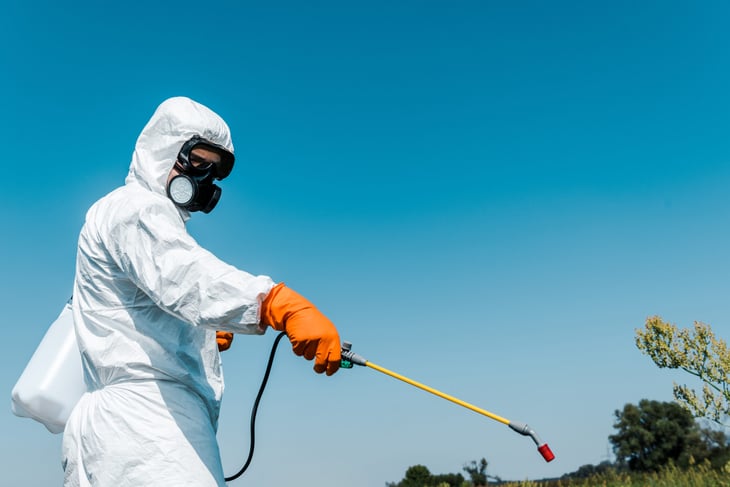
All these tips on how to get rid of mosquitoes may yet fail to turn your yard into a no-fly zone for these annoying biters. That’s when you should call a mosquito control pro.


Add a Comment