


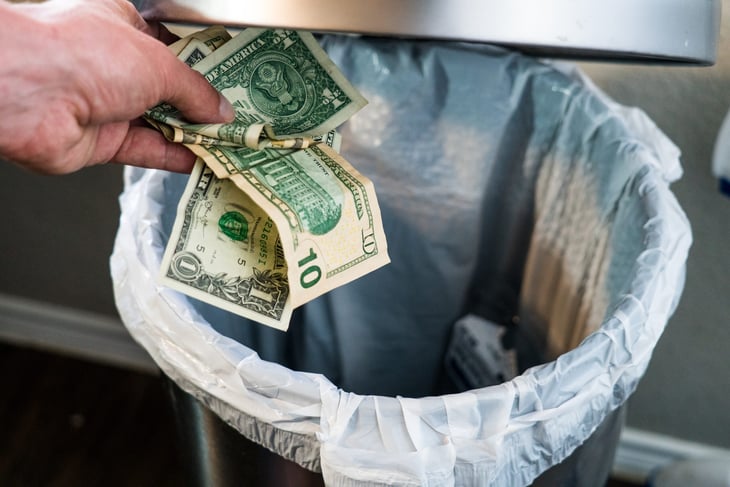
Sometimes, the best way to save money is simply to stop wasting it.
Unnecessary expenses can eat away at your bank account without providing any real benefit. Taken one by one, these everyday spending errors might seem small, but they can add up to thousands of dollars wasted each year.
Learn how to avoid these ways of wasting money every day.
1. Paying ATM fees

It’s common to pay several dollars for the privilege of withdrawing money from an ATM. This may be convenient, but it’s unnecessary. There are multiple ways to avoid this charge.
A simple solution is to carry more cash so you don’t have to worry about finding an ATM. You also can ask for cash back when making a debit card purchase at a supermarket or a drugstore. Just be sure that there isn’t a fee attached.
It’s also helpful to open a checking account at a bank that has numerous branches and ATM locations so you can make free withdrawals more easily. Or, choose an online bank that will let you use any ATM and will waive or reimburse ATM fees you incur.
Learn more in “9 Banks That Have Eliminated ATM Fees for Good.”
2. Not unplugging idle electronics
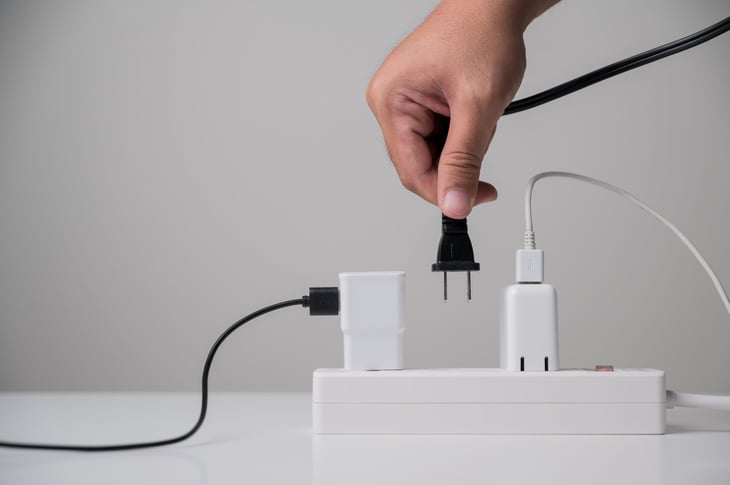
The typical household contains numerous gadgets that have the potential to draw electricity — and increase your utility bill — when they’re idle. Many are consuming power even when they’re turned off, reports Bloomberg.
Devices to unplug when not in use include:
- Coffee machines
- TVs
- DVD players
- Speakers
- Laptops
3. Not using a gym membership
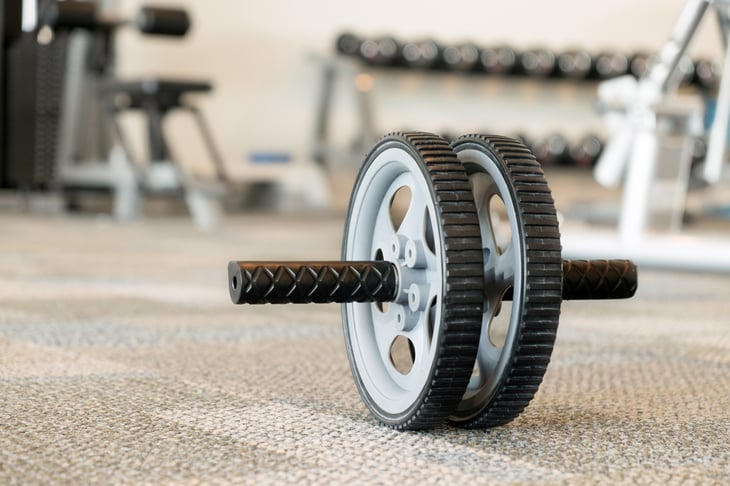
At the start of a new year, many people pledge to shed weight and improve their fitness, only to lose their resolve in a few weeks. If you aren’t going to be a regular gym user, the cost of a membership likely won’t be worthwhile.
There are cheaper ways to stay fit. Perhaps you would use an exercise machine or weights in front of a TV at home more often than in a gym. It also costs nothing to keep a pair of athletic shoes under your desk at work so you can take a walk during your lunch break.
You can even get paid to get in shape. A company called HealthyWage makes that possible for people willing to wager on hitting weight-loss goals.
4. Paying for services you don’t use

Businesses sometimes offer you a discount for paying a membership fee upfront. This might sound like a good way to save a few bucks, but the monthly or annual fee could continue long after you’ve stopped using the service.
For example, if you have a computer problem, you may decide to pay a monthly fee for live access to technical support. Once the problem is solved, you may never need to call for help again. However, monthly fees will continue draining your bank account unless you cancel the membership.
To find recurring expenses you may have forgotten, use a company like BillCutterz. Or, comb through financial records yourself and haggle them down as we detail in “5 Monthly Bills You Can Easily Negotiate Down.”

5. Subscribing to magazines

It’s tempting to subscribe to your favorite magazine when it’s on sale. But what if you don’t have time to read each issue? Seeing unread magazines pile up is like watching money fly out the window.
Before buying a subscription — whether to a printed or online publication — ask:
- Will you truly read the magazines?
- Are the magazines something you would otherwise purchase at a newsstand?
- Are you averse to reading magazines for free at a public library?
If the answer to any of these questions is “no,” perhaps you don’t need a subscription.
Or, if you have an Amazon Prime membership, see if you can get the publication for free through Prime. It comes with Prime Reading, a feature that gives you access to more than 1,000 digital books, magazines and comics to read at no added cost.
6. Wasting food

Up to 40% of the food in the U.S. is never eaten, according to the Natural Resources Defense Council. Much of this wasted food ends up in garbage dumps, which effectively means you could be literally throwing away hundreds of dollars a year.
There are plenty of ways to stop this waste, though, from reconsidering bulk purchases to making groceries last longer.
For more ideas, take a look at “8 Leftover Foods You Should Never Waste — and How to Use Them Up” and “6 Easy Ways Your Freezer Can Lower Your Grocery Bill.”
7. Stopping at convenience stores
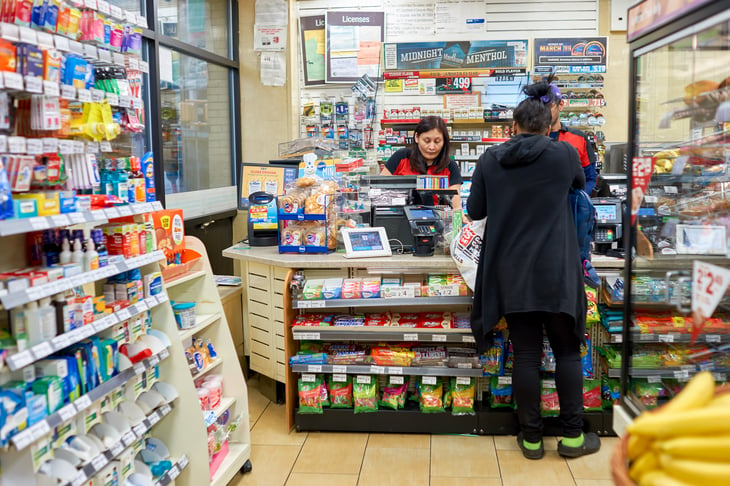
Convenience stores are handy when you’re in a hurry, but that easy access comes at a premium.
You’ll typically spend less by visiting a grocery store. That may require planning ahead.
Start by thinking about those trips to the convenience store. If you often stop there for a quick drink, keep bottles of water or soda on your grocery-store list instead so you always remember to pick up some. That way, you’ll have your favorite drink on hand at home and can get in the habit of taking one with you on the go.
Better yet, buy some reusable water bottles and fill them with filtered tap water or soda from 2-liter bottles. You’ll save even more money.

Add a Comment