


The latest COVID-19 vaccine might be the one you hear about most, but there are other vaccines you should consider, particularly if you are 50 or older.
The aging process weakens our immune systems, putting us at greater risk for several types of disease, according to the U.S. Centers for Disease Control and Prevention.
For this reason, the CDC recommends adults 50 or older schedule the following vaccines, which many people can get for free. Just talk to your doctor before getting any vaccine, as there are some exceptions to CDC recommendations.
Flu shot
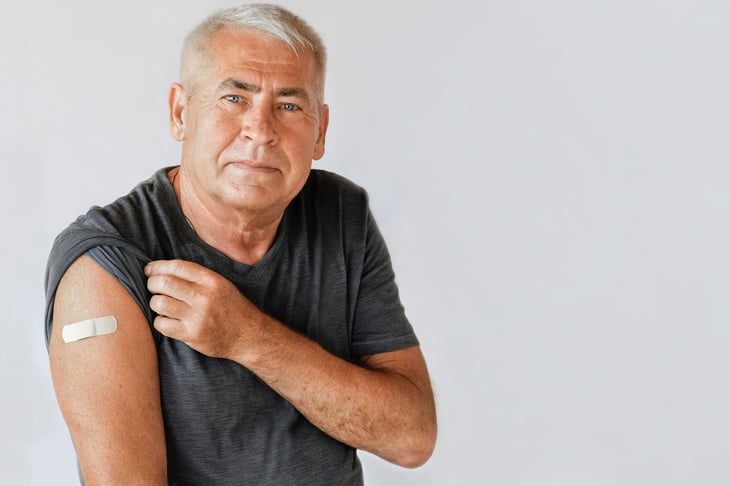
The CDC recommends that all adults get a flu shot, but this is particularly important for older adults and those with chronic health conditions such as diabetes, asthma and heart disease. These people have a greater risk of developing serious complications if they catch influenza.
For older adults, the particular type of vaccine is important, as we explain in “4 Surprising Health Benefits of Getting Flu Shots.”
While the flu might seem like a minor nuisance, it can be deadly. As the CDC reminds us:
“Every flu season is different, and flu can affect people differently, but during typical flu seasons, millions of people get flu, hundreds of thousands of people are hospitalized and thousands to tens of thousands of people die from flu-related causes.”
September and October are the best times of year for these vaccines.
Shingles vaccine
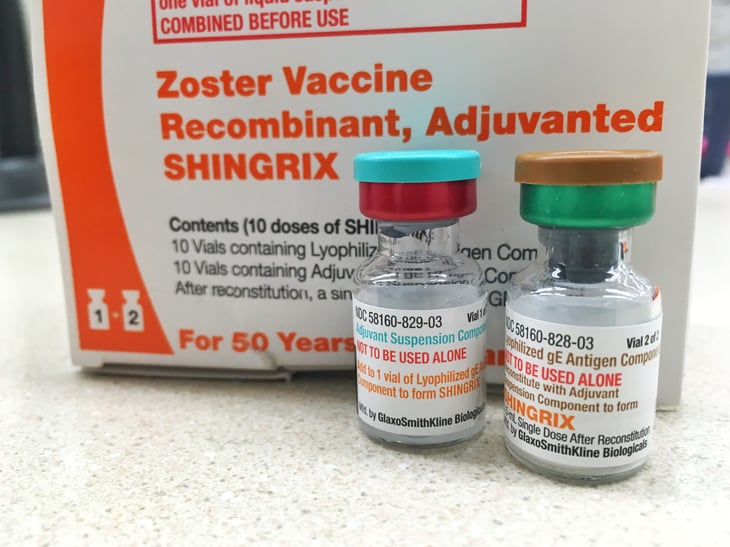
Around 1 in 3 Americans will develop shingles at some point, and the risk of getting the painful rash grows with age, according to the CDC.
This painful condition can cause symptoms that last months or years. It can even cause permanent blindness, as we reported in “This Cause of Blindness Is Soaring Among Seniors.”
A vaccine called Shingrix is more than 90% effective in preventing shingles in older people, according to the CDC. Call your health care provider now to set up an appointment for the two-dose vaccine. Or, use the Shingrix locator tool from GSK, the vaccine’s manufacturer.
Beyond preventing developing shingles, there’s another compelling reason to get this vaccine, as we detail in “This Vaccine Is Now Tied to a 17% Lower Dementia Risk.”

Tdap or Td vaccine
The Tdap vaccine protects you against tetanus, diphtheria and pertussis.
Chances are good that you have had the Tdap vaccine in the past. But if you haven’t, the CDC urges you to get it.
The Td vaccine only protects against tetanus and diphtheria and requires a booster every 10 years.

Pneumococcal vaccines
There are multiple types of pneumococcal vaccines available in the U.S.:
- Pneumococcal polysaccharide vaccine (PPSV23), which protects against serious pneumococcal disease, including meningitis and bloodstream infections
- Pneumococcal conjugate vaccine (PCV15, PCV20 and PCV21), which protects against serious pneumococcal disease and pneumonia
The CDC recommends PPSV23 for:
- All adults 65 years or older
- Adults younger than 65 years who have certain health conditions
It recommends PCV15, PCV20 or PCV21 for all adults with any of the following:
- A condition that weakens the immune system
- A cerebrospinal fluid leak
- A cochlear implant

RSV vaccine

In 2023, the U.S. Food and Drug Administration approved two new vaccines against respiratory syncytial virus, or RSV. The CDC says some adults over age 60 may need this type of vaccine, and you should talk to your health care provider about it.
The CDC says that adults aged 60-74 years should get an RSV vaccination if they are at an increased risk for severe RSV:
“Conditions that increase your risk for severe illness include:
- Chronic heart or lung disease
- Weakened immune system
- Certain other medical conditions
- Living in a nursing home”
A single dose of this vaccine provides protection for at least two years, and there is no maximum age for vaccination.


Add a Comment