



Paying off a home mortgage before you retire is a common goal, but it isn’t always the best financial strategy.
It could end up costing you in the long run — such as by leaving you without cash savings to cover an unexpected expense, or without the flexibility to take advantage of an opportunity to earn a better return on your money.
Here are some financially shrewd reasons to carry your mortgage debt into retirement.
1. You plan to sell your home
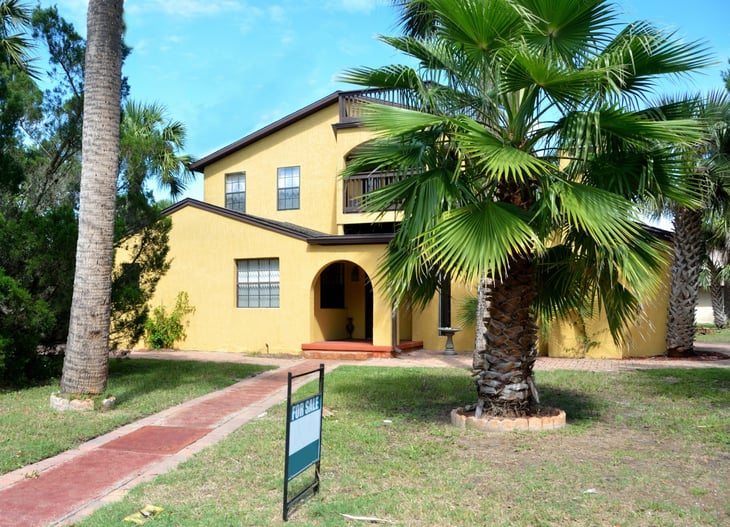
Many people decide to downsize before or in retirement. They find that a smaller, less expensive home better fits their retirement lifestyle, as we detail in “7 Surprising Upsides of Downsizing as a Retiree.”
If you may be selling your home soon, think hard before paying off the mortgage on that home. Selling a dwelling may provide money to repay your home loan without having to deplete savings.
2. You plan to rent out your home — or a room

Does your retirement plan include relocating and renting out your present home? There’s no pressing need to pay off a home loan if the tenants’ rent payments will cover future mortgage costs.
You could avoid tapping into savings to pay off the loan. You might even realize a profit after your mortgage bill is paid each month.
That could be true even if you remain in the home and simply rent out a spare room through a vacation rental site.
3. It’s more important to repay debts with higher interest rates

Before you commit to paying off a mortgage, determine whether there are better ways to spend your money.
For example, unless you purchased your home in recent years, your home loan likely has a relatively low interest rate. And if that’s the case, you will be better off financially if you first repay debts with higher interest rates, such as credit card debt.
Paying off the debt with the highest interest rate first will save you more money in interest payments over the life of the debt.

4. You’re still saving for retirement

Not everyone completes their career with enough money to enjoy a comfortable retirement. That’s why many Americans continue to work after age 65, the traditional retirement age.
If you’re contributing to a retirement account, such as an individual retirement account (IRA) or a 401(k), it may make more sense to use any extra money you have to build retirement savings rather than to repay the mortgage ahead of schedule.
Retirement accounts are tax-advantaged. So, saving money in one will likely enable you to lower your taxable income now or avoid taxation when you withdraw funds from the account in retirement, depending on whether the account is Roth or traditional.
5. You’re low on cash reserves

Maintaining an emergency fund is critical for financial stability. If paying off a mortgage will drain cash reserves, it could leave you in a weakened position. No one can predict when an emergency will happen.
Corey Vandenberg, a mortgage officer in Lafayette, Indiana, says people who pay off their mortgages early often end up with lots of home equity, but no money in the bank.
“This position is not financially healthy,” he tells Money Talks News. “You have to have an emergency fund for life’s unexpected events.”
6. You’d rather maximize income through investments

If you pay off the mortgage, you will have less cash to invest. Much of your wealth will be tied up in the value of your home. The only way to get at it will be to sell the home, borrow against your home equity or pursue a reverse mortgage.
Without any liquid funds on hand, it will be more difficult to take advantage of an investment opportunity.
7. You want to deduct mortgage interest
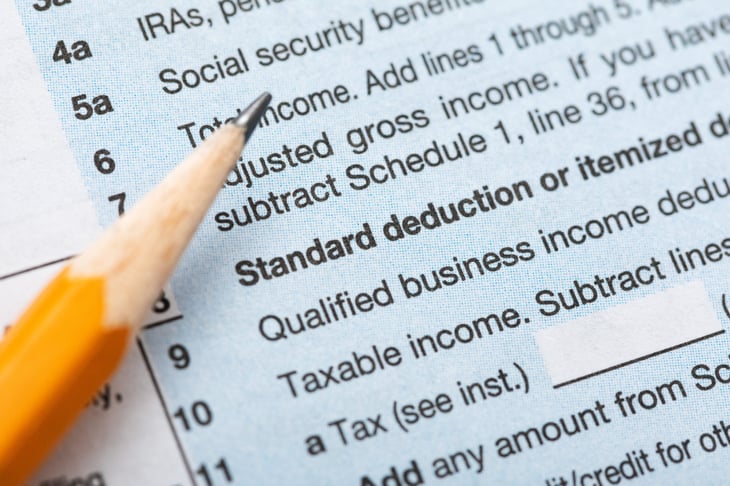
One of the benefits of being a homeowner is the ability to deduct the interest you pay on a home loan on your income taxes.
Mortgage interest is an itemized deduction, however. That means you can only take advantage of it if you itemize deductions, as opposed to taking the flat-amount standard deduction, which is much more common.
8. A Roth conversion makes more sense

If you have savings in a traditional retirement account, whether an individual retirement account (IRA) or a workplace plan like a 401(k), it might make more sense to convert at least some of it to a Roth account than pay down your mortgage.
A Roth conversion involves moving a chunk of money from a traditional account to a Roth account, which means paying the taxes on the transferred money the same year that you move it. So, if you have the cash to pay off your mortgage early, you could instead use that cash to cover those taxes.
Even though a Roth conversion costs you money in taxes on the front end, it could save you far more money down the road. That’s because once you pay taxes on the transferred money, you’ll never again owe taxes on it. That in turn lowers your taxable income going forward, which could help lower your taxes going forward. Reducing your taxable income could also help you avoid Medicare premium surcharges, as we detail in “8 Types of Income That Can Jack up Your Medicare Premiums.”

Add a Comment