


Everything you use has a shelf life. At home, it’s easy to overlook stuff that needs to be replaced. But smart households try to stay on top of these tasks.
Whether you’re forgetful or are just trying to save money, there can be consequences for using outdated or worn-out parts and products — including accidents and illness. And, if you plan to replace these items, you’re more likely to shop for a good deal than if you buy them in an emergency.
What follows are several things you should consider replacing right away.
1. Old sunscreen
UV radiation penetrates down on us every day, even on cloudy days and in the middle of winter. That’s why everyone from the American Academy of Dermatology to Consumer Reports says daily sunscreen use is a vital part of skin cancer prevention.
And using sunscreen that’s past its prime therefore isn’t worth the risk to your health.
The good news is that sunscreen has a three-year shelf life if you store it correctly (away from heat and out of direct sunlight). That’s because the U.S. Food and Drug Administration requires that sunscreen maintain its original strength for three years.
So you don’t have to throw away sunscreen you bought last year if you stored it properly — even if the expiration date (which the FDA does not require) has passed, Consumer Reports says.
But if you aren’t sure how old a bottle of sunscreen is or whether it’s been stored properly, it’s better to be safe than sorry and replace it.
Here’s a tip from the Mayo Clinic: When you buy new sunscreen, write the date you bought it on the bottle. Then, throw the bottle away three years from that date — or sooner if you didn’t store the bottle properly.
Replace it: For optimal protection, buy a sunscreen that has been tested by an organization like Consumer Reports, so you can be sure that it’s as effective as the SPF advertised on the bottle.
2. Your toothbrush
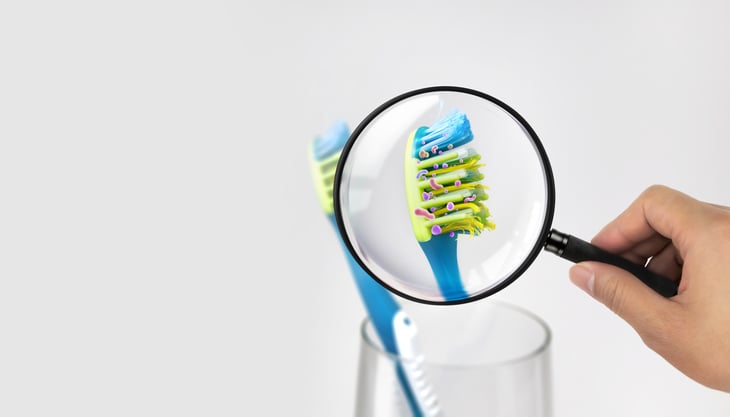
Generally, replace toothbrushes every three to four months, advises the American Dental Association. Replace them more frequently if the bristles look frayed or worn.
You should also replace your toothbrush after you’ve been sick with a cold or the flu.
Replace it: Buy a new toothbrush.
3. Your pillow

Pillows help you sleep comfortably by supporting your head and neck. A worn-out pillow no longer gives that support, potentially affecting your sleep and even your health.
You should replace pillows every two years, according to the Asthma and Allergy Foundation of America. The not-for-profit organization says that after that time, about 10% of the weight of your pillow can come from dead dust mites and their droppings.
Meanwhile, keep pillows clean by running through the washer. Learn more in “15 Household Items You Didn’t Know Your Washing Machine Could Handle.”
Replace it: Shop for bed pillows.
4. Heating and air-conditioning filters
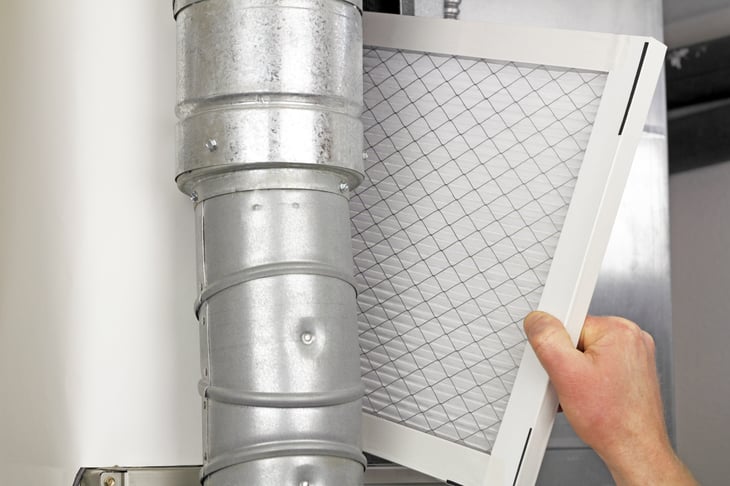
Heating and air-conditioning filters protect you from irritants and allergens such as smog, smoke, dust, animal dander and pollen. So when your HVAC filters don’t function properly, your health could suffer.
Your owner’s manual will tell you how often new filters are recommended. However, your replacement schedule might depend on factors such as the type of filter you use, the size of your home and whether you have pets, Home Depot advises.
Replace it: Find air conditioner or furnace filters.
5. Worn-out tires
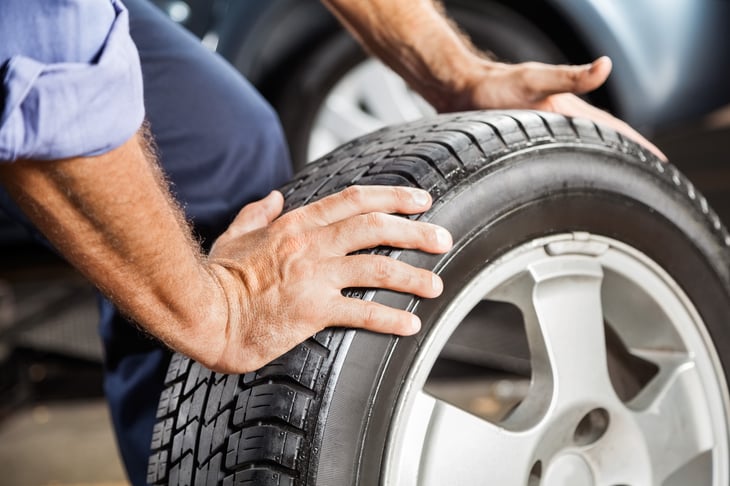
Don’t delay replacing your vehicle’s worn-out tires. Driving on bald tires to save money doesn’t pay off if that causes an accident.
Not only could you face large medical bills, but also, if you’re at fault for causing an accident, you could be held financially liable.
Replace it: Warehouse clubs like Costco are a good bet for new tires. It’s one of those purchases that will help pay for your Costco membership.

6. Worn-out athletic shoes

Sneakers weren’t meant to last forever. As they wear down, the cushioning and support they provide diminishes, which could put you at higher risk of injury when you run or walk for exercise.
Ayne Furman, a podiatrist, writes for the American Academy of Podiatric Sports Medicine (AAPSM) that one situation in which shoes should be replaced is when the outer sole has worn through to the midsole.
Furman explains:
“The midsole is intended to be shock absorbing and in some shoes serves to control excessive foot motion. After certain amount of repetitive load is placed on the midsole it will compress, not rebound and absorb shock or control the foot as well as it did when new. In some cases, the midsole can deform and compress unevenly, which can create an alignment change of the foot. This can lead to over-use type injuries.”
In general, though, how often you should replace your sneakers depends on how often you use them, how old they are and what signs of wear they have, according to the AAPSM. The academy explains more and offers photos on its website.
Replace it: Consider buying women's or men's sneakers online. You can access an amazing array of shoes for sports and leisure.
7. Kitchen sponges
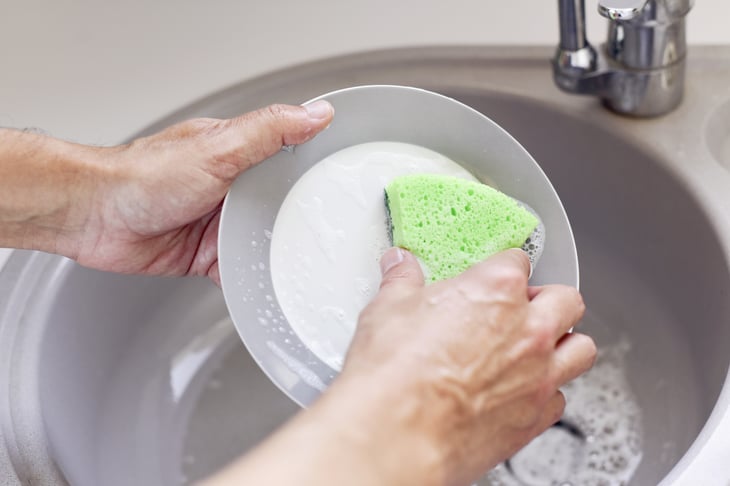
Kitchen sponges are breeding grounds for bacteria, a 2017 study in Scientific Reports revealed. The researchers suggested replacing sponges weekly.
If you can’t bear the thought of throwing them away that often, clean your sponges in the washing machine — on the hottest setting — with powder detergent and bleach, a study co-author told The New York Times. Then use them somewhere “that is less hygiene-sensitive, like the bathroom” and get a new one for the kitchen.
Don’t bother cleaning sponges in the microwave. The study found that this method actually can enable the worst bacteria in sponges to proliferate.
Replace it: Buy kitchen sponges.
8. Toilet brushes
Perhaps the most disagreeable job around the house is cleaning toilets.
When someone has an illness, that can make the task even more unpleasant but necessary. For example, a toilet brush used after someone in your household has had a gastrointestinal illness should be tossed out immediately and replaced, biology professor Elizabeth Scott, co-director of Simmons University’s Center for Hygiene and Health in Home and Community, tells the NBC News Better by Today site.
Buy a spare brush or two so you can switch them out quickly.
Replace it: Buy toilet bowl brushes.
9. Water filters
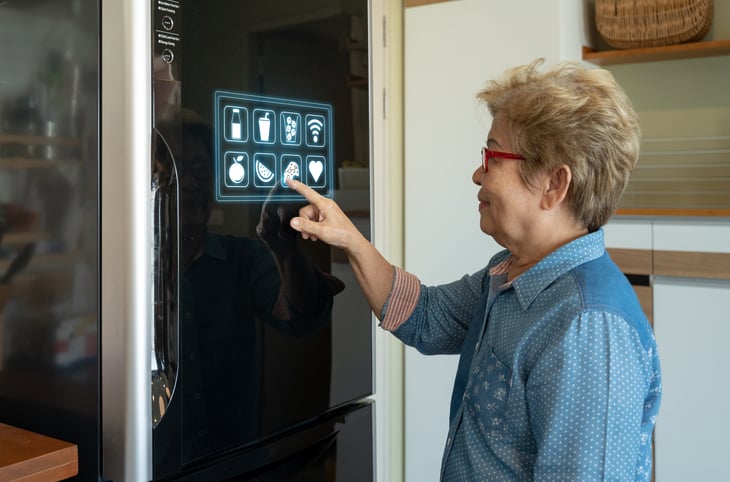
Water filters in refrigerators, faucets and home filtration systems should be replaced regularly. Check the product manuals to learn when and how to change them.
Water filters have varying life spans. For example, Consumer Reports says refrigerator filters often need to be replaced twice yearly.
Replace it: Find the water filter you need.

Add a Comment