


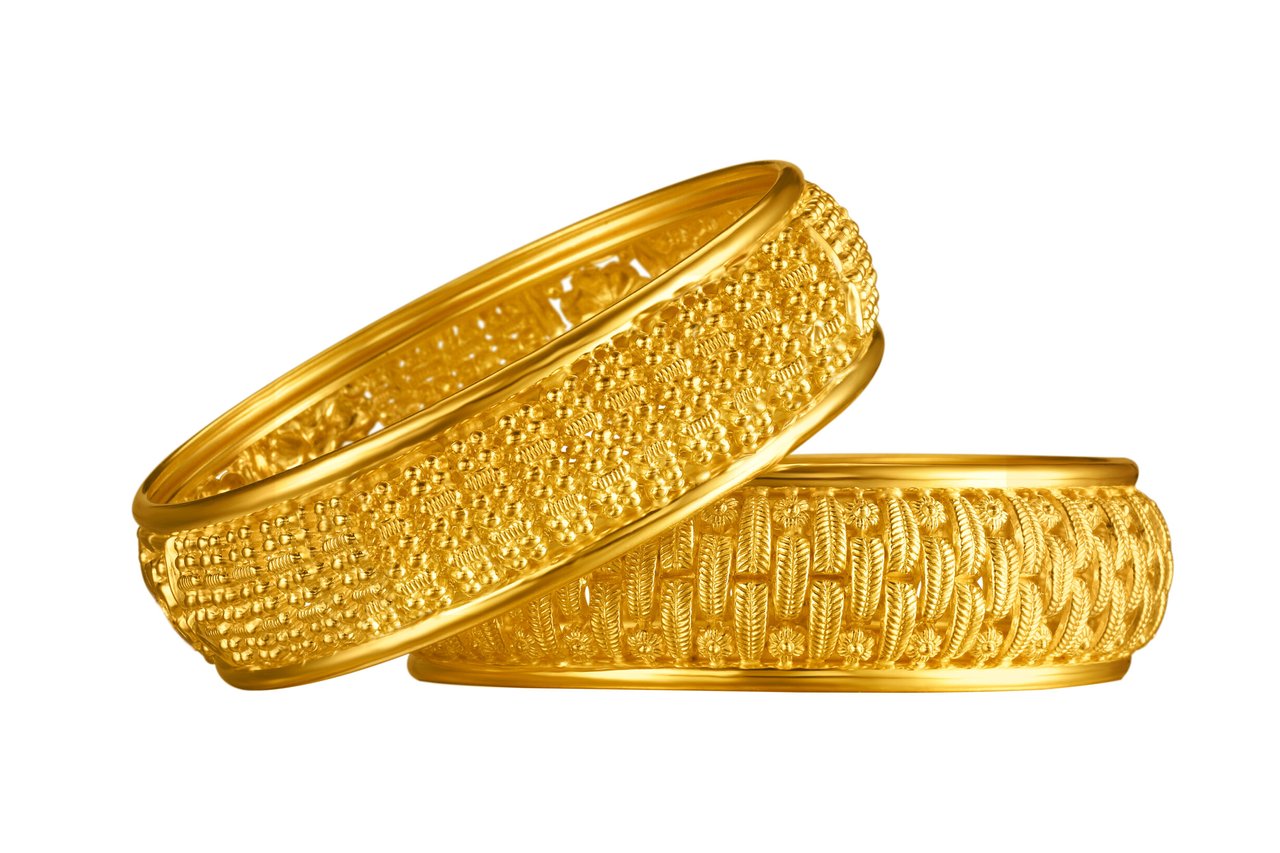
Gold prices have soared to record heights, creating what might be a golden opportunity for anyone with jewelry boxes containing forgotten treasures. With prices currently around their highest levels in history, that tarnished necklace or outdated bracelet could be worth significantly more than you paid for it.
According to Kathy Kristof, personal finance expert and founder of SideHusl.com, gold often trades on fear. Given today’s economic concerns, this is potentially a good time to convert unwanted gold items into cash.
Gold has also historically been a reliable investment for protecting your savings. Open a gold IRA to help shield your savings from inflation, market swings, and economic uncertainty.
Why gold prices are surging
The precious metal has seen dramatic price increases amid economic uncertainty, trade tensions, and inflation concerns. What makes this opportunity particularly attractive is the substantial jump in gold’s value compared to just a year ago, with prices increasing more than 35% year-over-year.
For many consumers, this represents a chance to unlock value from items that may have been unworn and forgotten for years. However, experts emphasize proceeding cautiously and having a clear strategy before selling.
If you have over $150,000 in investments, consider consulting a professional financial advisor to develop your money strategy. WiserAdvisor is a free service that will match you with a pro in your area.
Know what you have before you sell
Before rushing to the nearest gold buyer, understand exactly what you possess.
- 10K gold is 41.7% pure gold
- 14K gold is 58.3% pure gold
- 18K gold is 75% pure gold
- 24K gold is 99.9% pure gold
Take these steps before you explore selling your items:
- Check the karat marking. Gold purity is measured in karats, with 24-karat representing pure gold. Most jewelry is made with lower karat gold (10K, 14K, 18K) mixed with other metals. The marking is typically stamped somewhere on the piece. Higher karat items will naturally command better prices when selling. If your jewelry doesn’t have visible markings, a reputable jeweler can test its purity.
- Weigh your gold. Buyers evaluate gold primarily by weight, typically measured in grams or pennyweights. Having this information before approaching potential buyers gives you a significant advantage in negotiations.
Selling gold jewelry isn’t the only way to access cash. Americans have $30 trillion in untapped home equity, yet most can’t access it without taking on debt. Hometap lets you unlock up to $600K of your wealth without monthly payments or personal liability.
Where to sell your gold
Not all gold buyers offer equal value, and prices can vary significantly. Consider these options:
- Local jewelers. Established jewelry stores often buy gold for both its melt value and sometimes for resale. They may offer better prices than pawn shops, particularly for well-made or designer pieces that have value beyond just the gold content.
- Pawn shops. While convenient, pawn shops typically offer lower prices than other options. They’re counting on seller convenience and immediacy rather than competitive pricing.
- Online gold buyers. Services like Alloy or Express Gold Cash offer convenience, but require shipping your valuables. Research their reputations thoroughly and understand their evaluation process before sending anything.
- Gold parties. These social events where friends sell gold to a buyer should be approached cautiously, as the festive atmosphere might discourage price negotiation or careful consideration.
If you’re exploring gold sales to boost your budget, it’s also worth looking at other everyday ways to trim spending. For example, AARP members save hundreds on dining, travel, eyeglasses, prescriptions, and more—all for just $15/year with auto-renewal. Join now and save hundreds.
Setting realistic expectations
Understanding how gold buyers value your items helps set appropriate expectations:
Melt value vs. retail price. Gold buyers primarily care about the gold content, not what you paid for it. A $1,000 retail piece might contain only $300 worth of actual gold. The “melt value” represents what the pure gold content is worth at current market prices.
Factor in dealer margins. Remember that buyers need to make a profit. Expect offers around 70-80% of the actual melt value of your gold, as buyers incur costs for testing, refining, and business overhead.
If you’re selling gold to help reduce financial stress or pay down debt, you’re not alone. For those carrying over $20,000 in unsecured debt, National Debt Relief offers free guidance and potential solutions tailored to your situation.
Protecting yourself from scams
The gold-buying industry unfortunately attracts some unscrupulous operators:
- Get multiple quotes. This is perhaps the most important step. Visit several buyers to compare offers before making a decision.
- Watch the scale. Make sure weighing is done in front of you on a certified scale, and understand whether they’re weighing in grams, pennyweights, or other measurements.
- Understand the testing method. Legitimate buyers use specific testing methods like acid tests or electronic testers to verify authenticity and purity. Be wary of buyers who don’t demonstrate their testing procedures.
Tax considerations
An often-overlooked aspect of selling gold is the potential tax liability. The IRS typically classifies physical gold like jewelry as “collectibles,” which can be subject to higher capital gains tax rates (up to 28%) than other investments. Keep records of your transactions, particularly for significant sales.
Not sure whether to sell and invest your proceeds? A modern diversification option is Fundrise, which lets you invest in real estate and private markets with as little as $10. Note: This is a testimonial in partnership with Fundrise. We earn a commission from partner links on moneytalksnews.com. All opinions are our own.
When to hold onto your gold
Not all gold should be sold simply because prices are high:
Family heirlooms. Consider both sentimental and potential future value before parting with meaningful pieces.
Antique or artisan pieces. Jewelry with historical significance and exceptional craftsmanship from notable designers may be worth more intact than melted down. Consider having these items appraised by a specialist.
Consider alternatives if you’re looking for extra cash but aren’t ready to sell heirlooms. One option? This company pays members daily for taking surveys during their spare time.
Final considerations before selling
Before finalizing any sale:
- Research current spot gold prices online
- Calculate a rough estimate of your gold’s melt value based on weight and purity
- Get a proper appraisal for valuable or antique pieces
- Compare multiple offers
- Consider whether immediate cash is worth more to you than holding for potentially higher future prices
With thoughtful preparation and realistic expectations, selling unwanted gold jewelry during this period of high prices could provide a welcome financial boost while clearing out unused items from your jewelry collection.
If you need cash but don’t want to part with meaningful jewelry, tapping into your home equity could be a better path. You can see how much you can get, how fast, and how little you'll pay through a home equity loan.

Add a Comment