



Buying a home is one of the most significant financial decisions you’ll ever make. It’s easy to get swept up in the excitement of finding your dream home, but asking the right questions upfront can save you from regret down the road.
Before you sign on the dotted line, here are five essential questions every buyer should ask to ensure a confident and informed purchase.
1. What Is My All-In Price, Including Hidden Costs?

Determining your budget goes beyond the list price of the home. Property taxes, homeowner’s insurance, maintenance costs, and potential HOA fees can quickly add up. Don’t forget closing costs, which typically range from 2% to 5% of the home’s purchase price.
Consider getting pre-approved for a mortgage to clarify your price range and understand how much you can borrow. Pre-approval also demonstrates to sellers that you’re a serious buyer. Balancing enthusiasm with financial discipline can help ensure your new home remains a joy rather than a financial burden.
Pro Tip: A home equity loan is a great way to access fast cash. Take a minute right now and see how much you can get, how fast you can get it and how little you'll pay.
2. Why Is the Seller Moving?

Understanding the seller’s motivation can provide valuable insights and negotiating power. If the seller needs to relocate quickly, they might be more flexible on the price.
On the other hand, if they’re moving because of neighborhood issues, such as noise or safety concerns, you’ll want to investigate further before committing.
Consider speaking with neighbors or researching local news to uncover any red flags about the area. This extra step could save you from future regrets.
Pro Tip: If you’re looking to rack up flexible rewards points or miles to go on your dream vacation, here are the Top Rewards Credit Cards.
3. How Old Are the Major Systems and Appliances?

Replacing big-ticket items like the roof, HVAC system, or water heater can be costly. Ask about the age and condition of these systems to anticipate potential expenses. Additionally, inquire about the age of the plumbing and electrical wiring to ensure the home is up to code and free of major repair needs.
Requesting a detailed home inspection is crucial to catching hidden issues. A comprehensive inspection can help you negotiate repairs with the seller or decide whether to proceed with the purchase.
Pro Tip: Consider a home warranty: Example? First American covers everything from home appliances to heating and cooling. Take a second and see policies cost and what the cover.
4. Are There Any Planned Developments Nearby?

Future construction projects or zoning changes can significantly impact your property’s value and living experience. For instance, a planned shopping center might add convenience but also bring traffic and noise. Similarly, new housing developments could affect the character of your neighborhood or home values.
Check with local planning boards or city council meeting minutes for updates on nearby developments. Websites and local news outlets often provide information on upcoming projects that could affect your decision.
5. What Are the Property’s Long-Term Prospects?
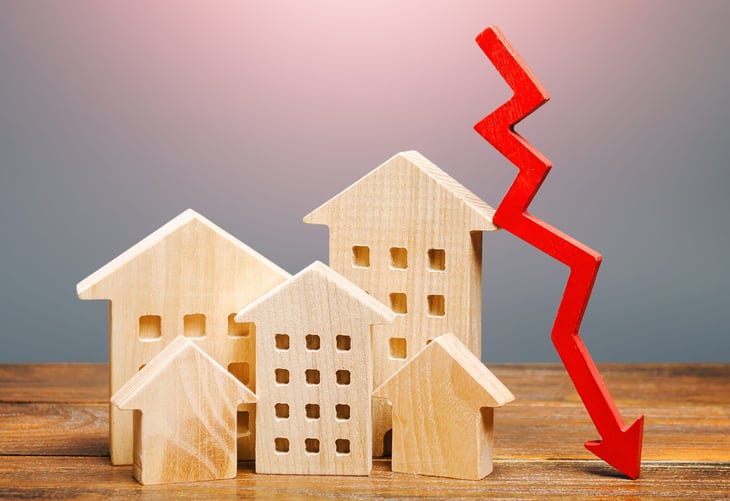
Consider the home’s resale value and whether it meets your long-term needs. Are you planning to start a family or work remotely? Look at the layout, available space, and neighborhood amenities to ensure the home will still fit your lifestyle in 5–10 years.
The overall housing market and a home’s location also influence its long-term value. Look for growth indicators, such as new businesses and infrastructure development, often signal a thriving market. Partnering with a knowledgeable real estate agent can also help you gauge the property’s potential.
Pro Tip: If you’ve got at least $100,000 in investments, SmartAsset can connect you with financial advisors to help assess the property’s potential and align it with your long-term goals.
Make Your Home Purchase with Confidence

Taking the time to ask these essential questions ensures you’re making an informed decision. Doing your due diligence protects you from surprises and buyer’s remorse. Beyond that, partnering with professionals like inspectors, financial advisors, and experienced agents can make the process smoother and more rewarding.
A home is not just a place to live—it’s an investment in your future. By asking the right questions and planning wisely, you can turn your dream home into a reality you’ll cherish for years.

Add a Comment