


Inflation may be driving up prices, but it doesn’t have to break your budget. By using strategic shopping techniques, you can stretch your dollars further and keep your pantry stocked.
Here are eight smart ways to save at the grocery store without compromising on quality or essentials.
1. Plan Your Meals and Make a List

Meal planning is one of the most effective ways to reduce waste and control spending. You can create a targeted shopping list and avoid impulse buys by deciding what you’ll eat for the week.
Stick to your list and focus on versatile ingredients that work across multiple meals. This strategy saves money and reduces stress when it’s time to cook.
Pro Tip: When you spend on anything, always pay with a top-ranked cash-back card.
2. Shop Sales and Use Coupons
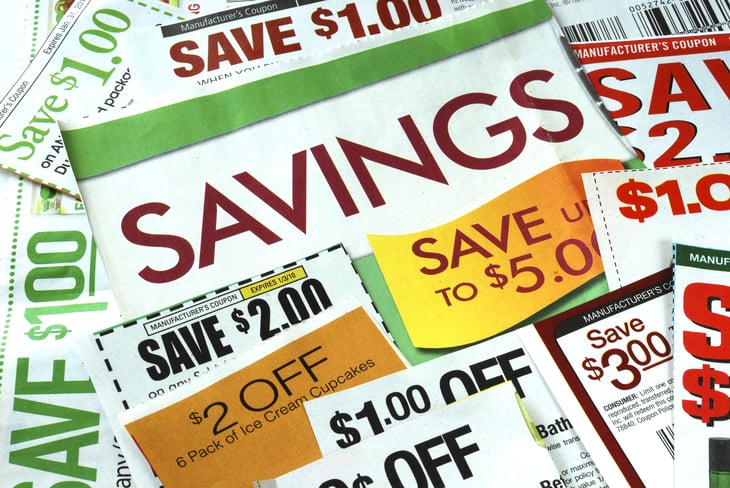
Before heading to the store, review weekly ads and digital coupons. Many stores offer discounts on essentials and even have apps that let you clip coupons virtually.
Combine sale prices with coupons for additional savings. For items you use frequently, consider stocking up when they’re discounted to avoid paying full price later.
Pro Tip: When shopping online, get 3-15% cash back with easy-to-use rebate services like Capital One Shopping or Rakuten.
3. Buy Store Brands
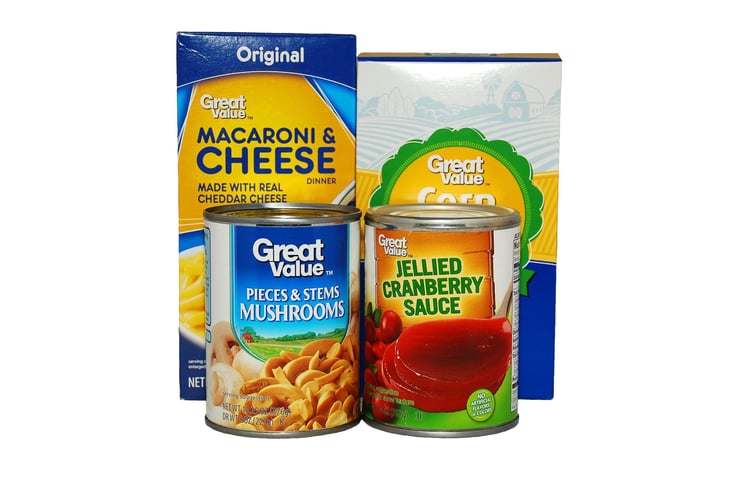
Store-brand products are often just as good as name brands, but at a fraction of the price. Items like canned goods, pasta, and cleaning supplies are excellent candidates for switching to private labels.
Many stores even offer premium store-brand options that rival name brands in quality while still being more affordable. Try them and watch your savings grow.
Pro Tip: Earn as much as possible on your emergency savings. For example, SoFi Checking is offering 4% interest, plus a potential $300 signup bonus. (May change without notice.)
4. Purchase in Bulk
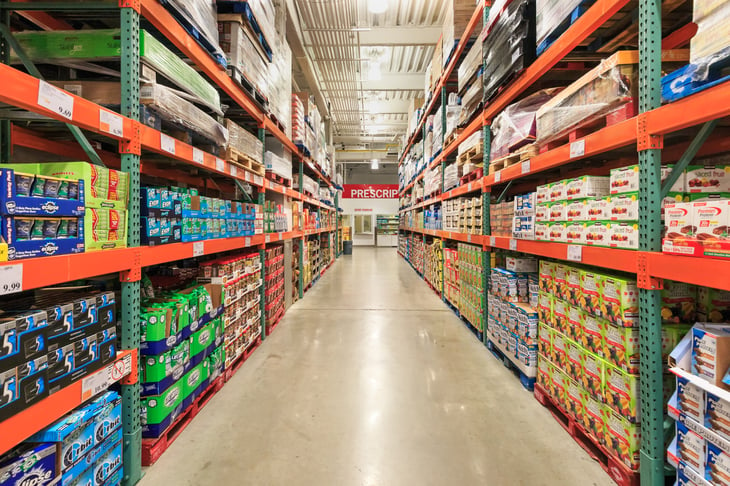
Buying in bulk can save money, especially on non-perishable items like rice, pasta, and canned goods. Warehouse clubs and bulk sections at grocery stores often offer lower prices per unit.
However, be mindful of perishables—only buy in bulk if you’re confident you can use the items before they expire.
5. Compare Unit Prices

Unit pricing, often displayed on shelf tags, allows you to compare the cost of items based on size or quantity. This is especially useful for identifying the better deal between different brands or package sizes.
Take a moment to check the unit price before making a purchase. It’s a quick and easy way to ensure you get the most value for your money.
6. Shop with a Full Stomach

It might sound simple, but shopping while hungry can lead to unnecessary purchases. Hunger can make tempting, high-cost items harder to resist.
To stick to your budget, eat a snack or meal before heading to the store. This small step helps you focus on your list instead of indulgent treats.
Pro Tip: Life Line Screening reveals hidden risks so you can act early. Book a screening today and have peace of mind.
7. Use Cash to Set Limits

Using cash instead of cards is a tried-and-true method for sticking to your budget. Bring only the amount you’ve allocated for groceries, and you’ll avoid overspending.
Cash forces you to prioritize your purchases, ensuring you stick to the essentials and avoid impulse buys.
Pro Tip: Transform your gaming hobby into cash – discover how to earn real money playing your favorite games!
8. Shop Seasonal and Local

Seasonal and locally sourced produce is often cheaper and fresher than imported alternatives. Visit farmers’ markets or check your grocery store for specials on in-season items.
Incorporating more seasonal produce into your meals not only saves money but also supports local growers and adds variety to your diet.
Smart Grocery Shopping Pays Off
Grocery shopping on a budget doesn’t have to mean sacrificing quality or variety. By planning ahead, leveraging sales and coupons, and making smarter choices, you can beat inflation and save significantly on your weekly food bill.
Start with a few of these strategies on your next shopping trip and watch your savings add up over time. Small changes can make a big difference in your overall budget.

Add a Comment