


Debt can feel overwhelming, but with the right strategies, you can take control and work toward financial freedom. Managing debt effectively isn’t just about paying off balances—it’s about developing habits that improve your overall financial health.
These five best practices can help you navigate your debts with confidence and clarity.
1. Create a Clear Budget

The first step to managing debt is knowing where your money goes. Create a budget that outlines your income, expenses, and savings goals. Identifying areas where you can cut back’ll free up resources to tackle debt more aggressively.
Budgeting apps and tools can make the process simple and intuitive, helping you track progress and stay motivated. A clear budget is the foundation of any successful debt management plan.
Pro Tip: Boost your credit score and unlock financial freedom – start your credit repair journey today!
2. Prioritize High-Interest Debts

Not all debts are created equal. Focus on paying down high-interest debts first, such as credit cards, while making minimum payments on other accounts. This approach minimizes your interest over time and speeds up repayment.
The debt avalanche method prioritizes accounts with the highest interest rates and effectively reduces costs while staying on track.
Pro Tip: Struggling with high-interest debt? If you have over $20,000 in unsecured debt, National Debt Relief can provide trusted advice and assistance to help you regain control.
3. Consider Consolidation

Debt consolidation involves combining multiple debts into one, often with a lower interest rate. This simplifies your payments and can save you money in the long run. Personal loans or balance transfer credit cards are popular consolidation tools.
Before consolidating, compare interest rates and fees to ensure this strategy works for your financial situation. It’s also important to avoid racking up new debt after consolidation, especially tax-related debt.
Pro Tip: Tax debt is a burden, but there’s professional help available to fight the IRS. Check out top tax relief companies here.
4. Build an Emergency Fund
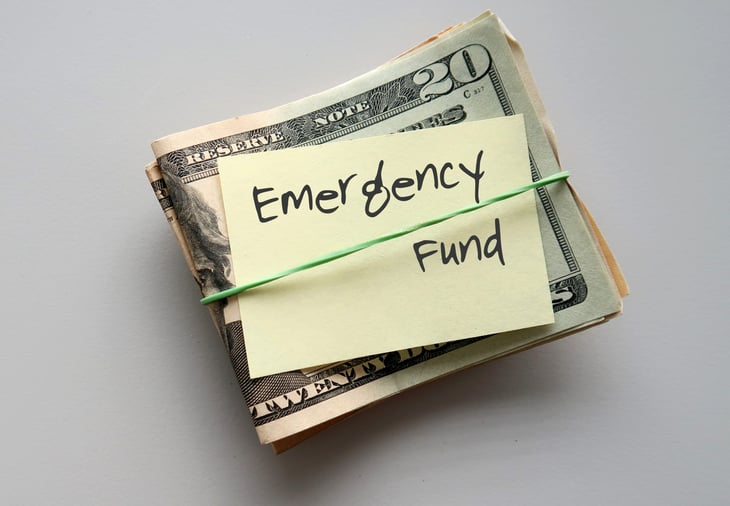
An emergency fund acts as a financial safety net, helping you avoid taking on more debt when unexpected expenses arise. Aim to save three to six months’ worth of expenses in a high-yield savings account.
Even a small emergency fund can provide peace of mind and reduce reliance on credit cards or loans during financial setbacks. Start by setting aside a fixed amount each month, and let your savings grow over time.
Pro Tip: Earn as much as possible on your emergency savings. For example, SoFi Checking is offering 4% interest, plus a potential $300 signup bonus. (May change without notice.)
5. Seek Professional Guidance

Sometimes, managing debt on your own can feel overwhelming. Financial advisors or credit counseling agencies can provide personalized strategies to help you stay on track. They can also negotiate with creditors on your behalf, potentially reducing interest rates or payment amounts.
Working with professionals can provide a clear roadmap to financial freedom and help you avoid common pitfalls.
Take Control of Your Debt

Managing debt effectively requires discipline, planning, and a proactive approach. You can take meaningful steps toward financial freedom by creating a budget, prioritizing high-interest debts, considering consolidation, building an emergency fund, and seeking professional guidance.
Remember, small changes in your financial habits today can lead to significant improvements in the future. With these best practices, you can reduce stress, regain control, and create a path toward a healthier financial future.

Add a Comment