


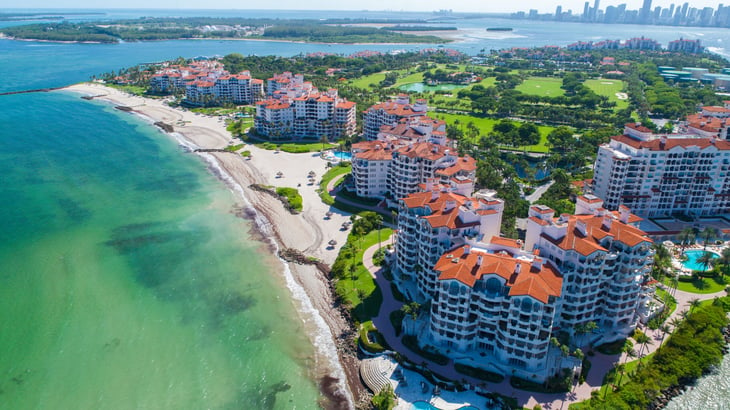
Miami’s sinking condos have exposed startling vulnerabilities, not just in building infrastructure but also in homeowners’ insurance policies. If you think your home insurance has you covered for every possible disaster, think again. Many policies contain critical gaps that may leave you financially stranded during a crisis.
Understanding these potential shortfalls now can save you from unexpected costs later. Let’s explore what Miami’s condo crisis teaches us about home insurance and how you can protect yourself.
1. Structural Damage Isn’t Always Covered

Most homeowners assume their insurance will cover structural damage, but that’s not always the case. Many policies exclude damages from wear and tear, neglect, or gradual issues like foundation settling.
If your property faces risks like shifting soil or nearby construction that could affect your foundation, now is the time to revisit your policy. Homeowners should also look for exclusions related to older properties, as policies may refuse coverage for structural failures linked to outdated building codes.
Pro Tip: Consider a home warranty: Example? First American covers everything from home appliances to heating and cooling. Take a second and see policies cost and what the cover.
2. Flood Insurance: A Crucial Add-On
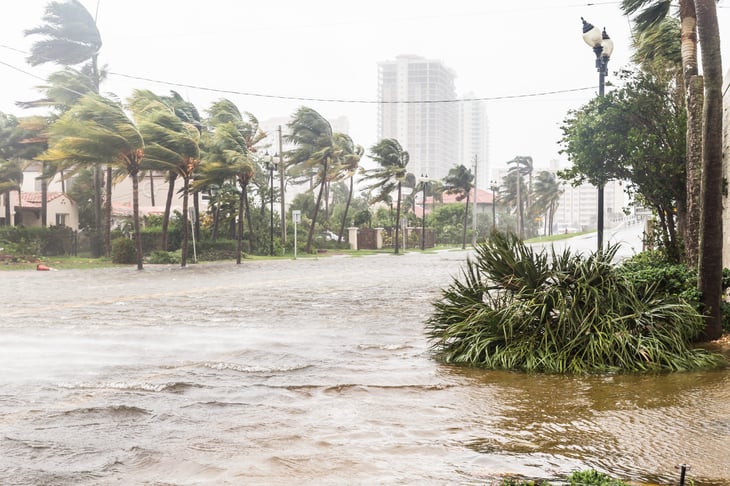
Standard home insurance policies typically don’t include flood damage. In a coastal city like Miami—or any area prone to flooding—this can be catastrophic.
Flood insurance is a separate policy that covers damages caused by rising water. If you live near a coastline or floodplain, adding this coverage might be essential.
However, it’s not just coastal homeowners who should consider flood insurance. Inland areas with poor drainage systems or extreme weather patterns are increasingly at risk of flooding too.
Pro Tip: A home equity loan is a great way to access fast cash. Take a minute right now and see how much you can get, how fast you can get it and how little you'll pay.
3. Assessing Coverage for Catastrophic Events
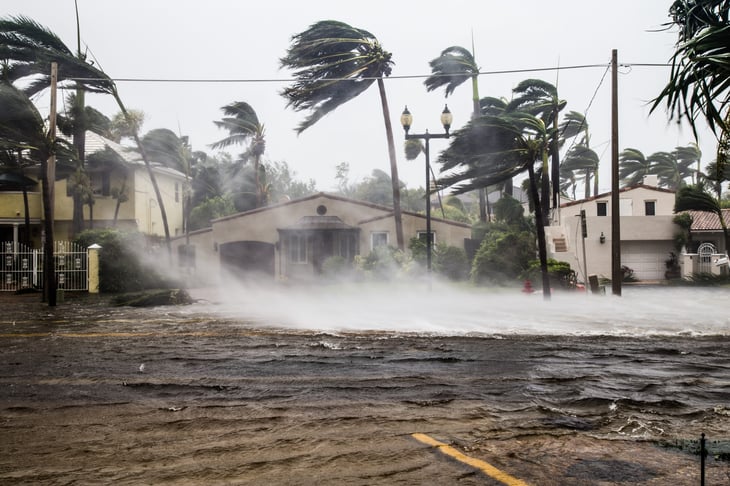
Events like hurricanes or sinkholes can cause extensive damage, but your coverage often depends on your policy specifics. Homeowners often must add riders or endorsements for coverage against these events.
Review your insurance policy with an expert to ensure coverage for common disasters in your region. Stay informed about any new risks, such as rising sea levels or extreme weather patterns, that could affect your property’s safety and value.
Pro Tip: If you’ve got more than $100,000 in savings, consulting a vetted fiduciary advisor can help ensure your insurance coverage aligns with potential risks like hurricanes or sinkholes. SmartAsset offers a free service to connect you with an expert in less than 5 minutes.
4. Personal Property Protections May Fall Short
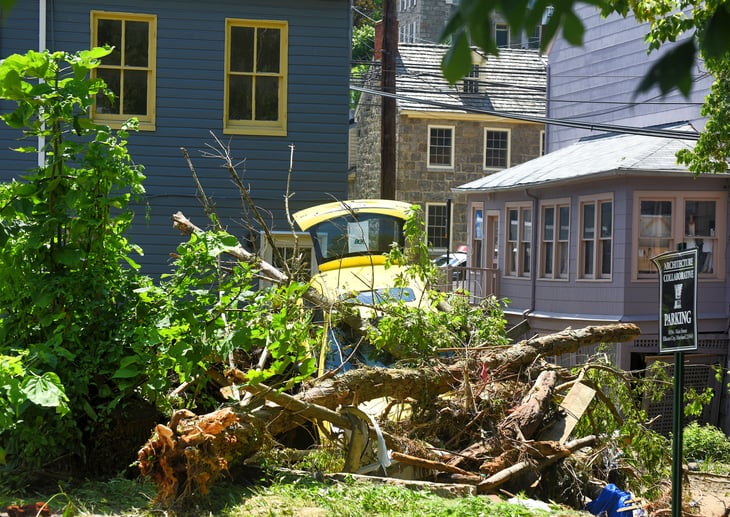
Home insurance policies usually include some personal property coverage, but the limits might not be enough for high-value items. For example, jewelry, electronics, or collectibles may require separate insurance riders.
An inventory of your belongings can help determine whether additional coverage is needed. Keeping a digital record with photos or receipts is also a smart way to expedite claims if you experience a loss.
Pro Tip: Why pay more for home insurance? Compare quotes from top providers today and make sure you’re not getting ripped off.
5. Liability Limits: Are You Truly Protected?

Liability coverage protects you if someone is injured on your property, but not all policies offer adequate protection. With rising costs in legal claims, many experts recommend increasing your liability limits or adding umbrella insurance.
Umbrella policies provide additional liability protection, often cheaply, offering peace of mind during a crisis. These policies can cover gaps in your home or auto insurance, ensuring you’re not on the hook for expensive lawsuits.
Protect Your Property Before It’s Too Late
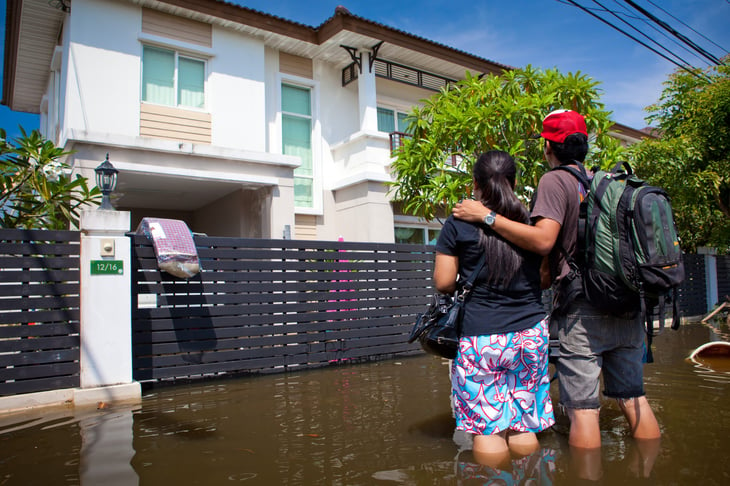
The lesson from Miami’s condo crisis is clear: waiting for disaster to strike is the wrong time to discover gaps in your insurance. Evaluate your policy now, add necessary endorsements, and consider professional advice to safeguard your most valuable asset.
Your home is more than just a place to live—it’s your sanctuary and a significant investment. Don’t leave it vulnerable to the unexpected. Take proactive steps today to ensure your coverage matches your property’s risks no matter where you live.

Add a Comment