



With inflation and tariffs driving up the price of materials and labor, home repairs are likely to get more expensive by the day. A minor leak or small oversight could snowball into a five-figure problem.
That’s why preventing damage before it starts is one of the smartest financial moves a homeowner can make. These subtle maintenance missteps might not seem serious, but over time, they can quietly wreck your home’s value and drain your savings.
Pro Tip: Safeguarding your home starts with smart maintenance — and securing your finances starts with smart advice. If you have at least $100,000 in investments, SmartAsset offers a free service that matches you to a vetted, fiduciary advisor in less than 5 minutes.
1. Using harsh cleaners on specialty surfaces

That all-purpose cleaner may seem handy, but it could damage your home. Acidic cleaners like vinegar can etch stone countertops, while ammonia breaks down hardwood sealants.
Even steam cleaners can harm laminate or engineered wood by forcing moisture into seams, causing swelling.
Always check which cleaners are safe for each surface — what works on tile may ruin granite or wood. Using the right products now helps avoid costly repairs later and protects your home and finances.
Pro Tip: Consider a home warranty: Example? First American covers everything from home appliances to heating and cooling. Take a second and see what policies cost and what they cover.
2. Neglecting hidden moisture sources

Moisture issues go beyond obvious leaks. Daily showers without ventilation and cooking without range hoods add moisture that can damage drywall and fuel hidden mold.
Small signs like window condensation or a damp basement may signal bigger structural risks. Use dehumidifiers and ensure good ventilation to avoid costly repairs.
Since moisture damage often builds slowly, regular home checkups are just as vital as personal health screenings.
Pro Tip: Life Line Screening reveals hidden risks so you can act early. Book a screening today and have peace of mind.
3. Improper disposal of household items

Your drains and toilets aren’t built for everything you send down them. So-called “flushable” wipes often cause deep clogs, while grease solidifies and blocks kitchen pipes.
Coffee grounds, eggshells, and produce stickers can jam disposals. Hair, floss, and cotton items can also build up over time, leading to costly plumbing issues.
With repair costs climbing, preparing for home emergencies is key to protecting your finances.
Pro Tip: Plumbing surprises can be expensive — but you don’t have to face them unprepared. Need cash, debt relief, or help funding a major expense? Find the best options tailored to your needs — fast, easy, and secure. Explore financial solutions here.
4. Ignoring dryer vent maintenance
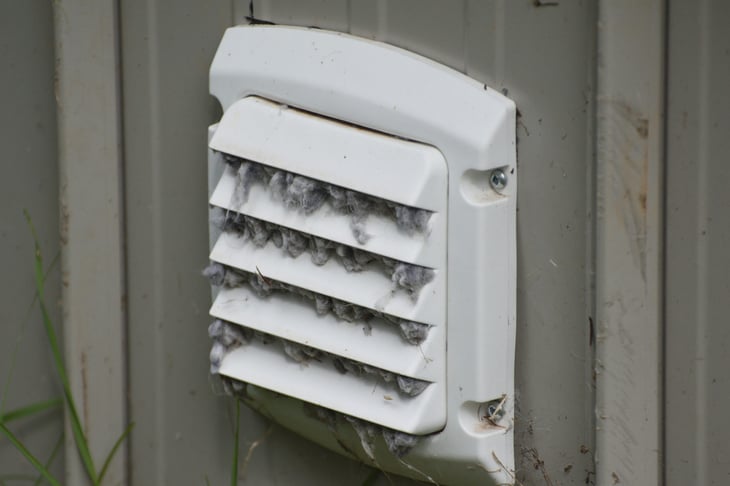
When was the last time you cleaned your dryer vent? Lint buildup reduces efficiency and creates a major fire risk.
Clogged vents also release moisture into your home, damaging walls and encouraging mold.
Set a quarterly reminder to clean the lint trap and vent duct. It’s a simple way to protect your home and appliances — and a reminder that all major systems, from HVACs to vehicles, need regular attention to avoid surprise breakdowns.
Pro Tip: Car repair bills aren’t what they used to be. One auto shop told Consumer Reports their average job rose from $1,600 a decade ago to $4,000 today. Endurance gives you access to thousands of ASE-certified repair shops and pays the bill upfront, so you’re only responsible for the deductible. Get a free quote today!
5. Using chemical drain cleaners regularly
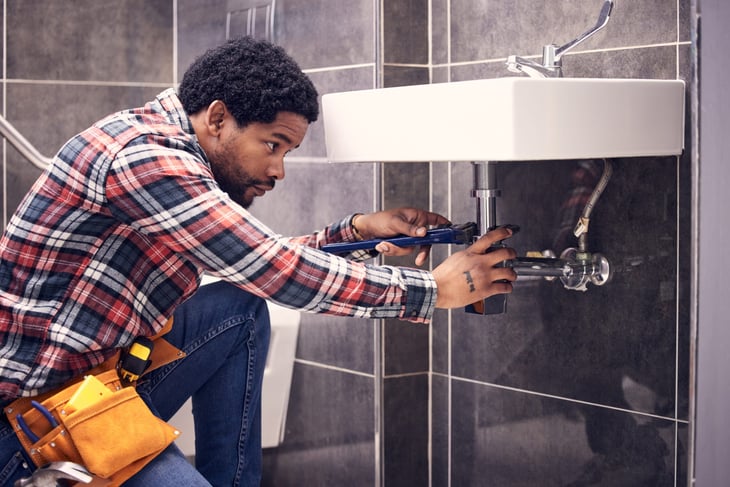
Chemical drain cleaners may seem like a quick fix, but they can damage pipes. With repeated use, they soften PVC and corrode metal.
They also harm helpful bacteria in septic systems. For stubborn clogs, try enzymatic cleaners, drain snakes, or call a pro.
Plumbing repairs are costly, so having financial flexibility for maintenance is essential.
Pro Tip: Plumbing repairs can drain your wallet — just like high-interest debt. If you’re carrying over $20,000 in unsecured debt, National Debt Relief offers free, trusted guidance to help you regain control.
6. Overlooking gutter and downspout maintenance

Clogged gutters don’t just overflow — they push water toward your foundation, causing pressure that can crack it and lead to basement leaks.
Debris also traps moisture against your roof, speeding up rot. In winter, poor drainage creates ice dams that force water under shingles.
Clean gutters twice a year and ensure downspouts drain at least five feet from your foundation. A financial safety net is essential with foundation repairs often costing five figures.
Pro Tip: Emergency repairs like foundation fixes can be costly — make sure your savings work as hard as you do. SoFi Checking offers 3.8% interest on your emergency fund, plus a potential $300 signup bonus. (Offer may change without notice.)
7. Painting without proper preparation

A quick paint job may seem easy, but skipping prep leads to long-term issues. Painting over dirt, gloss, rot, or mold hides problems without fixing them.
Brick is especially tricky. Using the wrong paint traps moisture, causing deterioration. Always prep properly and use the right materials for each surface.
Big home projects can be costly, so securing the right financing is key.
Pro Tip: Major home upgrades come with significant costs. Whether you need cash, debt relief, or funding for a big project, explore financial solutions that fit your needs—fast, easy, and secure.
8. Problematic appliance locations

Appliance placement can affect your home more than you think. Heat-producing items near thermostats confuse your HVAC system, causing it to run inefficiently and wear out faster.
Fridges near ovens or in sunlight work harder, reducing their lifespan. Even placing rugs against tubs can trap moisture and damage floors.
With repair and replacement costs rising, protecting your home investment is more important than ever.
Pro Tip: Appliance repairs and replacements aren’t the only rising costs — home insurance can quietly creep up too. Compare quotes from top providers to make sure you’re not overpaying for coverage.
9. Allowing dirt and grit to accumulate on floors
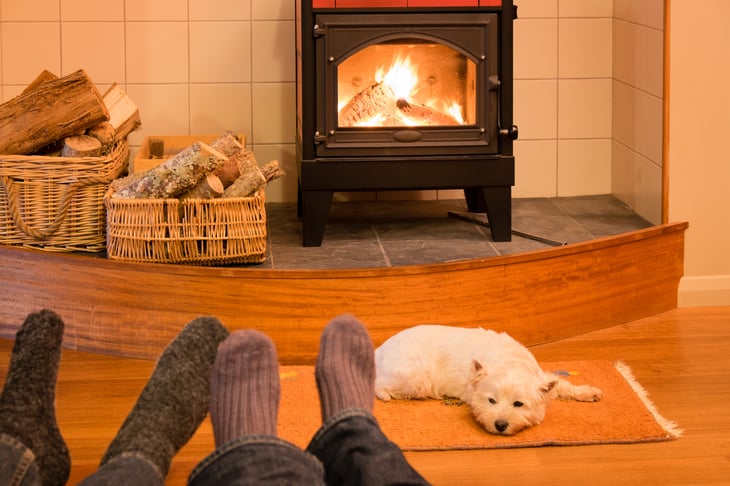
Invisible dirt and sand act like sandpaper, slowly scratching and dulling your floors, especially hardwood and laminate. While floors may seem clean, microscopic debris grinds away at the finish.
Regular sweeping or vacuuming prevents this damage and extends the life of your floors.
Protecting your home’s value takes consistency — and the same goes for your financial future. Just like small habits preserve your flooring, steady saving can protect your long-term security.
Pro Tip: Small steps today make a big difference tomorrow. A SoFi IRA offers matched contributions and the power of compounding interest — helping your retirement savings grow faster the earlier you start. Get started today.
10. Overlooking exterior foundation clearance

The area around your foundation needs attention. Adding mulch or raising the grade can direct water toward your home, causing moisture issues. Similarly, planting vines or large shrubs too close can damage surfaces and trap moisture.
Maintain proper clearance and ensure the grade slopes away from your home to avoid water problems.
Outdoor upkeep can become more physically demanding over time. If certain tasks become too much to manage, it might be worth bringing in some help.
Pro Tip: When everyday chores or errands get harder, having support can make all the difference. GoGoGrandparent lets you schedule rides with just a phone call — no smartphone required.
11. Skipping regular HVAC filter changes
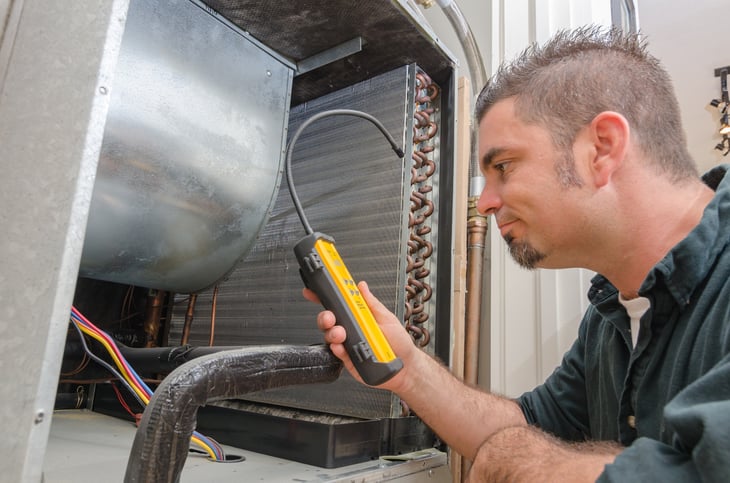
Dirty HVAC filters restrict airflow, making your system work harder, raising energy bills, and accelerating wear on key components like fans and compressors.
Clogged filters also circulate dust and allergens, worsening air quality. Based on your system and home environment, set reminders to change filters every 1–3 months.
Protecting what you own — whether it’s your home systems or your savings — means staying proactive. Just as regular maintenance keeps your HVAC running smoothly, smart diversification keeps your finances on track.
Pro Tip: Diversifying your investments is key to financial health. Real estate and venture capital are great options, with companies like Fundrise offering investments as low as $10. Note: This is a testimonial in partnership with Fundrise. We earn a commission from partner links on moneytalksnews.com. All opinions are our own.
12. Using improper bathroom products

Colorful bath bombs and luxury products can create clogs due to oils, glitter, or solid components building up in pipes.
“Extra plush” toilet paper also breaks down more slowly, leading to blockages.
Use specialty bath products sparingly and follow with hot water to help clear the residue.
Pro Tip: Self-care goes beyond baths — don’t forget to prioritize your hearing health. Tired of straining to hear at work or social events? The FDA now allows people with hearing loss to buy top hearing aids without a prescription.
Small changes, significant savings

Awareness of subtle home hazards can save thousands in preventable repairs. Most issues just require mindfulness and simple habit changes.
Addressing these oversights protects your investment and can extend your home’s lifespan.
Prevention is often cheaper than repair, especially for your most valuable asset. As you plan for the future, ensuring your estate affairs are in order brings similar peace of mind.
Pro Tip: Protect your home with mindful habits, and ensure your family’s future with proper estate planning. Where there's a will, there's a way — save time, money, and stress by getting your affairs in order.

Add a Comment