


Disasters can strike at any moment, leaving you with a mountain of damage and costs to recover from. Whether it’s a hurricane, wildfire, flood, or earthquake, disaster insurance promises to protect you from these unexpected events.
But how much does it really cover, and what do you need to know to make sure you’re adequately insured? Here’s the truth about disaster insurance—what’s covered and what’s not.
1. Disaster Insurance Covers More Than You Think—But Not Everything
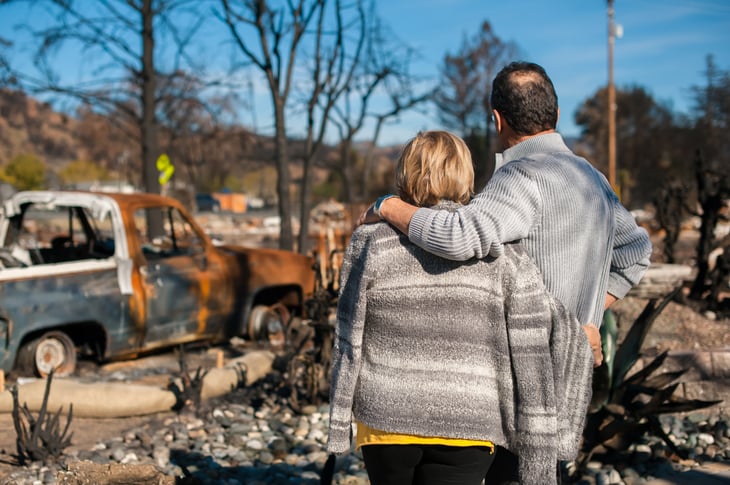
Disaster insurance, often called “catastrophic insurance,” is designed to cover losses resulting from unexpected natural events. It typically covers damage to your home and property caused by hurricanes, earthquakes, floods, fires, and more.
The policy may include repairs, temporary housing costs, and the replacement of personal belongings lost in the disaster.
However, the exact coverage varies, so it’s important to understand your specific plan and the events covered by it. For instance, many plans cover damage to your house and belongings from fire, smoke, or wind, but might exclude flood damage unless specifically added.
Pro Tip: Need quick cash for unexpected repairs or expenses? A home equity loan might be the solution. Take a minute right now and see how much you can get, how fast you can get it, and how little you'll pay.
2. Flood Damage Is Rarely Included in Standard Policies
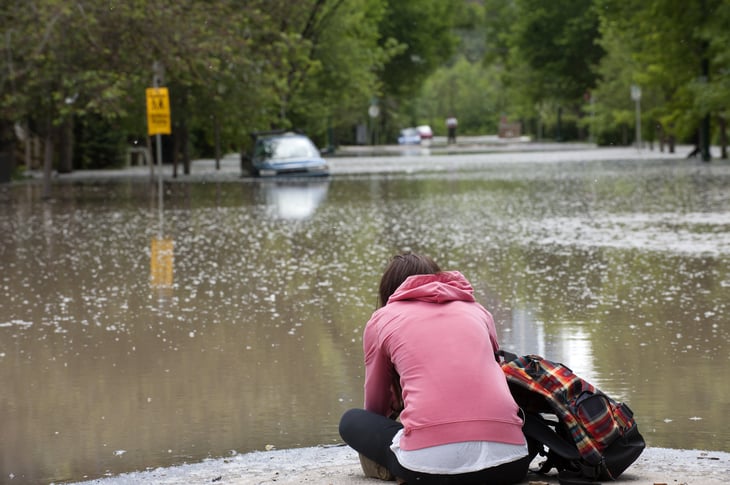
One of the most common misconceptions about disaster insurance is that it covers flooding. Flood damage is often not included in standard disaster insurance policies. If you live in a flood-prone area or near bodies of water, investing in separate flood insurance is essential.
Additionally, car insurance often doesn’t cover flood damage unless you have comprehensive coverage, so be sure to check your auto policy.
Flood insurance can be purchased through the National Flood Insurance Program (NFIP) or private insurers, depending on where you live. While the government offers flood insurance, it may have coverage limits, and you may need to purchase additional coverage for complete protection.
Pro Tip: Want to lower your car insurance premiums? Use a car insurance shopping site to compare rates and potentially save up to $600/year.
3. Earthquake Insurance Requires a Separate Policy

Another event that often requires additional coverage is an earthquake. Earthquake damage is typically not included in standard homeowner’s insurance policies, even in areas where quakes are common.
If you live in an earthquake-prone area like California, you must buy additional earthquake insurance to protect yourself from property damage or loss.
Earthquake insurance can be pricey, but the costs could pale compared to the expenses of repairing your home if a significant quake occurs. Check whether your current insurance policy includes it, or if you need to add it as a separate policy.
4. Wildfire Coverage Can Be Limited in High-Risk Areas

Wildfires are another disaster that’s becoming increasingly common, especially in states like California, Oregon, and Colorado. Wildfire insurance coverage varies by region, with some insurance providers offering comprehensive coverage while others may limit the protection for wildfire-related damages.
Policies often cover the destruction of property, landscaping, and personal belongings. Still, if you’re in a high-risk area, you may need to upgrade your policy or purchase additional coverage to ensure you’re fully protected.
5. Common Exclusions Leave Gaps in Your Protection

Disaster insurance doesn’t cover everything. Common exclusions include damage caused by poor maintenance, wear and tear, or neglect. For example, if a roof leaks because it wasn’t properly maintained, that damage is typically not covered under your disaster insurance policy.
Additionally, some policies may exclude damage caused by specific events, such as civil unrest or terrorism. Depending on your location and the insurer, you may need to purchase additional riders for specific protections like vandalism or terrorism.
Pro Tip: Make your emergency savings work harder for you. For example, SoFi Checking offers 4% interest, plus a potential $300 signup bonus to boost your savings. (Rates may change without notice.)
6. Reading the Fine Print Can Save You Thousands

Understanding what’s covered in your disaster insurance policy is crucial to making sure you don’t face unexpected costs when disaster strikes. Always read the fine print and ask your insurance provider about any exclusions or limits on coverage.
When in doubt, consider working with an insurance agent to help you determine the appropriate level of coverage for your needs. If you live in a disaster-prone area, it’s better to over-insure than to be left financially vulnerable.
7. Disaster Insurance Isn’t Enough—You Need a Preparedness Plan

While disaster insurance can help cover the cost of recovery after a catastrophic event, it’s not a cure-all. Take steps now to prepare your home and belongings for the possibility of a disaster.
Keep a list of your possessions, create an emergency plan, and make sure you have an adequate insurance policy in place. The more proactive you are, the better you’ll be equipped to handle the unexpected.
Understanding Your Coverage is Essential

Disaster insurance is a critical safety net, but understanding its limitations is essential. It covers damage from some of life’s biggest threats, like fires, hurricanes, and earthquakes, but it doesn’t cover everything.
Be sure to read your policy carefully and add any necessary add-ons or riders to ensure you’re adequately protected when disaster strikes.

Add a Comment