



Reaching 50 is a milestone, and it’s the perfect time to rethink your spending habits.
As priorities shift, so should your budget. Cutting out unnecessary expenses can free up money for retirement, travel, and financial security.
These simple changes can help you take control of your finances and make your money work harder for you.
1. Worthless Extended Warranties

Retailers love selling extended warranties, but in most cases, they’re an unnecessary expense. Many products already come with a manufacturer’s warranty, and the likelihood of needing repairs often doesn’t justify the extra cost. Instead of paying for add-ons with limited value, it’s smarter to focus on insurance coverage for major financial risks—like home, auto, or medical emergencies.
That said, not all warranties are created equal. When it comes to high-cost repairs, like car breakdowns, skipping coverage could mean paying thousands out of pocket. If the risk of an unexpected repair worries you, an extended auto warranty might be a cost-effective safeguard.
Pro Tip: Repair costs are skyrocketing, and an unexpected breakdown can be costly. If you’re concerned about coming up with thousands for a car repair, consider the cost/benefit of an extended car warranty. It could give you peace of mind and financial protection against high repair bills.
2. Unneccessary Cable TV Packages

With the rise of streaming services, cable packages have become unnecessary. Many people pay for dozens of channels they never watch when cheaper alternatives exist. Services like Netflix, Hulu, and Amazon Prime offer customizable plans with no hidden fees, allowing you to only pay for what you actually watch.
By switching to a streaming service, you can cut your monthly entertainment bill significantly while still enjoying a wide variety of content. Some platforms even allow you to share your subscription, making it even more affordable.
Cutting the cord and switching to a few select streaming services can save hundreds per year.
3. Overpriced Cell Phone Plans

Many people stay locked into expensive phone plans when cheaper options are available. Prepaid or low-cost carriers often provide the same coverage for a fraction of the price. By switching to these providers, you can save hundreds of dollars a year without sacrificing service quality.
Many of these carriers use the same networks as major providers, ensuring reliable coverage and fast speeds. It’s worth comparing plans to see if a more affordable option fits your needs and lifestyle. Switching to a budget-friendly plan can help you keep more money in your pocket while enjoying the same level of service.
Pro Tip: Paying more than $15 a month for your cell service? Stop that. Click here to save a bundle and start enjoying reliable service at a fraction of the cost.
4. Unused Gym Memberships

If you rarely go to the gym, that monthly fee is money wasted. Free workout apps, home fitness equipment, or outdoor activities can provide the same benefits without the cost. You can try activities like running, cycling, or bodyweight exercises that don’t require a gym membership but still offer an excellent workout.
Many apps also offer guided routines for all fitness levels to get a great workout from the comfort of your home. Switching to these low-cost alternatives helps you stay fit while keeping your budget intact.
Many community centers and local parks offer free or low-cost fitness classes.
5. Expensive Brand-Name Medications

Many brand-name prescriptions have generic versions that cost significantly less.
The FDA requires generics to have the same effectiveness, making them a smart money-saving swap. Switching to generics or asking your doctor about alternative treatments can help you cut prescription costs without sacrificing quality. By making small changes, you can save hundreds of dollars a year on medications.
Staying proactive about your health can also prevent costly medical issues. Regular screenings and checkups can catch potential health concerns early, helping you avoid expensive treatments later.
Pro Tip: Early detection is key to avoiding future health problems. Life Line Screening reveals hidden risks so you can act early, giving you the ability to address potential issues before they escalate. Book a screening today and have peace of mind knowing you’re staying on top of your health.
6. Over-extended Car Loans

Spreading out a car loan over six or seven years might lower the monthly payment, but it results in paying thousands more in interest. Plus, a longer loan term increases the risk of owing more than the car is worth due to depreciation.
This can leave you in a difficult position if you need to sell or trade in the car before the loan is paid off. A shorter loan term might mean higher payments, but it saves you money in the long run by minimizing interest costs and helping you stay ahead of depreciation.
Opting for shorter loan terms or buying a reliable used car can save you big over time.
7. Costly Subscription Services

Subscription services, from premium news sites to beauty boxes, add up. Over time, these small monthly fees can quietly drain your budget.
Many people forget about rarely used subscriptions, making it easy for them to go unnoticed. Taking a few minutes to review and cancel unnecessary subscriptions can free up extra money each month for more important expenses.
Reviewing your bank statements can help you find and eliminate forgotten subscriptions.
8. High-Interest Credit Cards
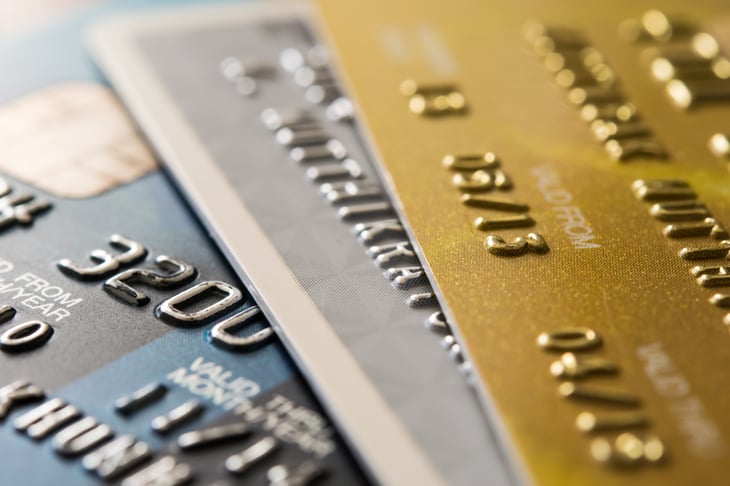
Carrying a balance on high-interest credit cards drains your finances. The longer you carry a balance, the more interest you pay, making it harder to get ahead.
In addition to increasing your debt, high interest rates can quickly spiral out of control if not addressed. Paying down these debts or switching to a lower-interest option can save thousands and help you regain financial stability faster. With the right strategy, you can reduce your interest payments and pay off debt more efficiently, allowing you to focus on other financial goals.
Pro Tip: Hands down one of the best cards of 2025: Get a 0% intro APR credit card and pay no interest until nearly 2027! Transfer your existing debt, pay it down faster, and enjoy stress-free spending without worrying about high interest eating into your payments.
9. Bulk Buying Without a Plan

Warehouse club memberships can be great, but only if you actually use what you buy. Overbuying perishable items can lead to waste, making bulk purchases a money drain.
Additionally, the upfront cost of the membership can add up if you’re not taking full advantage of the discounts offered. Before renewing your membership, evaluate whether the savings outweigh the costs and if you truly benefit from the bulk purchases.
Stick to non-perishables and high-use items when buying in bulk.
10. Keeping a Landline You Never Use

Keeping a landline is an unnecessary monthly expense unless you rely on a home phone for business or emergencies.
Many people find that a mobile phone meets all their communication needs, making the extra cost easy to cut. With the added benefits of mobile phones like texting and internet access, it’s often a more cost-effective solution. Canceling your landline can free up funds that could be better spent elsewhere.
Most mobile plans now include unlimited calling, eliminating the need for a separate home phone.
11. Pricey Coffee Habits

A daily coffee shop habit can add up quickly. Making coffee at home can save hundreds of dollars per year. Even investing in a quality coffee maker and beans costs far less than a daily café run.
Plus, you’ll have the flexibility to customize your coffee to your liking, all while enjoying the convenience of brewing it whenever you want. Cutting this expense can leave more room in your budget for other priorities.
Investing in a quality coffee maker and reusable cup can make this switch even easier.
12. Paying Full Price for Travel

Flights, hotels, and rental cars often have discounts if you know where to look. Many travelers overpay simply because they book at the last minute or don’t compare options. Taking advantage of rewards programs, off-season travel, and bundling deals can make a big difference.
Unexpected travel disruptions can also be costly, whether it’s a canceled flight, lost luggage, or a medical emergency abroad. Protecting your trip in advance can help you avoid major financial headaches and save you money in an emergency.
Pro Tip: Travel insurance is a must to protect that expensive vacation. Here's a list of the top travel insurers to help you find the best coverage and avoid the financial risks that come with unexpected trip interruptions.
13. Expensive Hair and Beauty Treatments

Premium salons and beauty treatments can cost a fortune. More affordable options, such as at-home treatments or budget-friendly salons, offer similar results at a fraction of the price.
You can also find quality beauty products online or in stores that deliver professional-level results without the high cost. This way, you can look great and save money at the same time.
Spacing out appointments or opting for simpler styles can stretch your budget further.
14. Buying New Instead of Used

From cars to furniture to clothing, buying brand-new is often unnecessary. Secondhand items can provide the same quality for a lower price.
Shopping at thrift stores, online marketplaces, or even local yard sales can help you find gently used items that fit your needs and save you money. Plus, buying secondhand is also an eco-friendly way to reduce waste.
Shopping at thrift stores or online marketplaces can help you find high-quality used items at a fraction of retail cost.
15. Paying for Extras You Don’t Use

Many people unknowingly pay for unnecessary add-ons, from premium banking services to unused insurance riders and extended memberships. Reviewing your regular expenses can help you spot hidden costs that don’t add value to your life.
One of the most overlooked money drains is paying for premium banking services when a free or low-cost alternative would work just as well. Checking account fees, overdraft protection charges, and high ATM fees can all add up over time.
Switching to a no-fee checking account or a bank with better benefits can help you save on everyday banking costs.
Spend Smarter and Save More

Cutting out unnecessary expenses isn’t about depriving yourself—it’s about redirecting your money toward what really matters.
By making small changes, you can free up extra cash for retirement, travel, and the experiences that truly enrich your life.

Add a Comment