


The internet makes life easier, but it also opens the door to cybercriminals looking to drain your bank account. These online predators use sophisticated scams to trick people into handing over sensitive data, installing malicious software, and even giving direct access to financial accounts.
The damage can be devastating—once hackers gain entry, they can steal money, lock you out of your accounts, or even sell your personal information on the dark web.
By staying informed and taking simple precautions, you can avoid becoming a victim. Here are 10 cyber threats that could wipe out your savings—and what you can do to protect yourself.
1. Public Wi-Fi Scams That Let Hackers Spy on You

Public Wi-Fi networks, such as those at coffee shops and airports, are popular targets for cybercriminals. Hackers often set up fake Wi-Fi networks that look legitimate, tricking users into connecting.
Once connected, everything you type—including passwords and credit card numbers—can be intercepted. Even legitimate public networks can be compromised.
To stay safe, avoid logging into financial accounts on public Wi-Fi, or use a virtual private network (VPN) to secure your connection.
Pro Tip: Public Wi-Fi isn’t the only place you could be overpaying—your cell phone bill might be costing you more than necessary. If you’re spending more than $15 a month on service, it’s time to switch. Click here to start saving now.
2. Phishing Emails That Look Shockingly Real

Hackers send deceptive emails that appear to come from trusted sources like banks, credit card companies, or online retailers.
These emails create a sense of urgency, claiming that your account is at risk or that you must confirm payment details immediately. Clicking on links in these emails may redirect you to a fake login page designed to steal your credentials.
In other cases, opening an attachment could install malware on your device. If you receive an unexpected email about your finances, always visit the company’s website directly instead of clicking on links.
3. Malware That Steals Your Banking Details

Malware, or malicious software, can infect your devices without you realizing it. Some malware records every keystroke you type, capturing passwords and financial information.
Others hijack your browser, redirecting online banking transactions to a hacker’s account. Malware often spreads through suspicious email attachments, fake software downloads, or infected websites.
Keeping your operating system and antivirus software updated, along with avoiding downloads from unknown sources, can reduce your risk.
Pro Tip: Cyber threats can put your financial security at risk, making expert guidance more important than ever. If you have over $150,000 in savings, working with a trusted financial advisor can help protect and grow your wealth. Zoe Financial is a free service that matches you with a vetted professional in your area—get started today!
4. Fake Tech Support Calls That Drain Your Account

Scammers pretending to be from Microsoft, Apple, or your internet provider call victims, claiming that their computer is infected with a virus. They pressure people into granting remote access, which allows them to steal sensitive data or install malware.
Some fraudsters even demand payment for fake repairs, convincing victims to hand over credit card information. No legitimate tech company will ever call you about a problem you didn’t report. If you receive such a call, hang up immediately.
5. SIM Swapping That Lets Hackers Control Your Accounts

SIM swapping occurs when a hacker tricks your mobile carrier into transferring your phone number to their device. Once they control your number, they can intercept text messages, bypass two-factor authentication, and gain access to your bank accounts.
Many victims don’t realize what’s happening until they’re locked out of their own accounts. Protect yourself by setting up a PIN with your mobile carrier and being cautious about sharing personal information online.
6. Investment Scams That Promise Huge Returns

Fraudsters lure people into fake investment opportunities, often promoting them through social media or email. Cryptocurrency, forex trading, and “can’t-miss” real estate deals are common scam targets.
These fake investments often promise high, risk-free returns to build trust before stealing victims’ money. If an investment sounds too good to be true, it probably is. Always research companies thoroughly and verify their legitimacy through regulatory agencies before investing.
Pro Tip: Investment scams often promise big returns with little risk—don’t fall for the trap. Diversifying your portfolio with tangible assets like precious metals can help protect your wealth. If you’re over 50 and considering Gold, now is the perfect time to claim your FREE 2025 Gold Information Kit and explore how to secure your future with physical gold!
7. Fake Online Stores That Steal Your Payment Info

Scammers create professional-looking online stores that appear to sell real products. These fraudulent websites lure shoppers with deep discounts and limited-time offers.
Once you enter your credit card details, the scammers either steal your payment information or take your money without ever shipping the product.
Always verify a retailer’s legitimacy by checking reviews and ensuring the website uses a secure connection (https://). Using a credit card instead of a debit card provides better fraud protection.
8. Ransomware That Holds Your Data Hostage
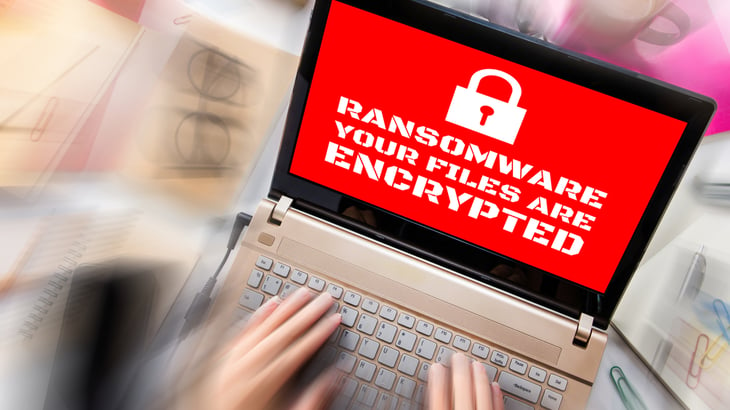
Ransomware is one of the most dangerous cyber threats. Once it infects your computer, it encrypts your files and demands a ransom payment—usually in cryptocurrency—to unlock them.
These attacks often start when victims download infected email attachments or visit compromised websites. Paying the ransom doesn’t guarantee that hackers will restore access to your files.
The best defense is to back up important data regularly and avoid clicking on suspicious links or attachments.
9. Social Media Scams That Target Older Adults

Scammers use social media to impersonate friends, relatives, or government agencies. They may claim you’ve won a prize, that a loved one is in trouble, or that your account needs immediate verification.
By creating a sense of urgency, they trick victims into sending money or providing personal details. These scams disproportionately target older adults who may be less familiar with online fraud tactics.
If you receive an unusual message from someone you know, verify their identity through another method before responding.
Pro Tip: Scammers prey on urgency and trust—don’t fall for their tricks. If you’re a homeowner 62+ and need extra funds, a reverse mortgage can help turn your home equity into cash without selling your house. Use it for medical bills, home repairs, or even that dream vacation—no monthly payments required!
10. Smart Device Hacks That Expose Your Personal Data

Smart home devices, such as security cameras, virtual assistants, and smart locks, can be vulnerable to cyberattacks. Hackers can gain control of these devices if they have weak passwords or outdated software, allowing them to spy on households and steal personal information.
Changing default passwords, regularly updating software, and enabling two-factor authentication are essential steps to protect your smart devices from cybercriminals.
Stay One Step Ahead of Online Scammers

Hackers are constantly evolving their tactics, making staying informed and cautious more important than ever. Cyber threats can cause devastating financial losses, but you can reduce your risk by being proactive.
Using strong passwords, keeping software updated, and avoiding suspicious links or messages can help protect your money and personal data. The best defense is awareness—think twice before clicking, sharing, or entering sensitive information online.

Add a Comment