


Debt can be confusing, especially since there are many different ways to classify it. You’ve likely heard terms like secured vs. unsecured debt and revolving vs. installment loans, but what do they really mean for your finances?
Understanding these categories can help you borrow smarter, manage payments more effectively, and avoid financial pitfalls. Let’s break down the major debt classifications, their meaning, and how they impact your financial future.
1. Installment debt: mortgages, auto loans, student loans, personal loans
Installment debt is paid in fixed monthly payments over time. Common types include mortgages, auto, student, and personal loans. Predictable payments make budgeting easier, and loans like mortgages and student loans can be smart investments in property and education.
However, borrowing more than you can afford or taking out loans with high interest rates can lead to financial struggles and potentially affect your long-term financial health.
2. Loans secured against your home: mortgages, home equity loans, HELOCs

Secured loans use your home as collateral, meaning the lender can seize your property if you fail to repay. Mortgages, home equity loans, and home equity lines of credit (HELOCs) all fall into this category.
Mortgages allow you to buy a home while home equity loans and HELOCs let you borrow against your home’s value at lower interest rates than credit cards.
You risk foreclosure if you borrow too much or can’t keep up with payments. HELOCs, in particular, come with variable interest rates that can increase over time.
Pro Tip: A home equity loan can be a great option if you’re looking for quick access to cash for essential expenses. Take a minute right now and see how much you can get, how fast you can get it, and how little you'll pay.
3. Unsecured personal debt: credit cards, personal loans, medical debt

Unsecured debt is not backed by collateral, meaning lenders rely on your creditworthiness to approve you. Common examples include credit cards, personal loans, and medical debt.
For big purchases, personal loans can offer lower interest than credit cards, and medical debt often has flexible repayment plans.
High-interest rates on credit cards can trap borrowers in a cycle of debt. Personal loans can also become risky if used for unnecessary expenses instead of consolidating or refinancing existing debt.
Pro Tip: Turn your dreams into reality – apply for a personal loan and get the funds you need fast!
4. Revolving debt: credit cards, home equity lines of credit (HELOCs)
Revolving debt allows you to borrow, repay, and borrow again up to a credit limit. Credit cards and HELOCs are the most common forms. Revolving credit is flexible—you only borrow what you need. HELOCs typically offer lower rates than credit cards, but can also increase if interest rates rise.
The convenience of revolving credit can quickly turn costly if you carry a balance. High-interest charges from credit cards can accumulate fast, and HELOCs come with variable rates that can spike unexpectedly.
5. Predatory or high-risk debt: payday loans, title loans, high-interest installment loans
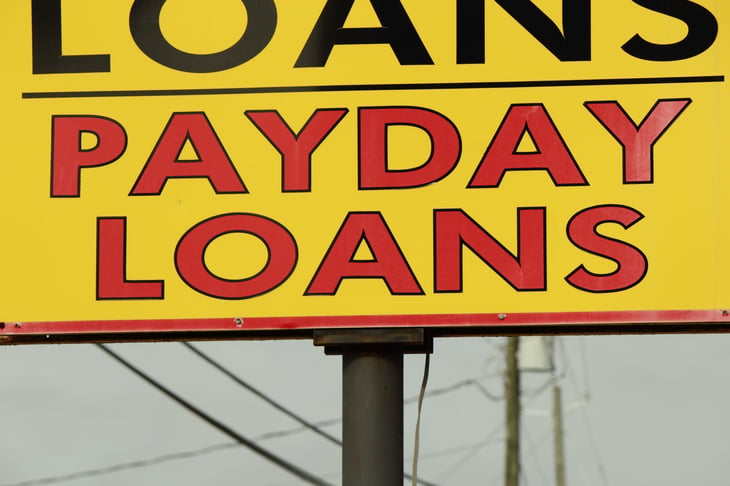
These loans target borrowers with urgent cash needs but come with sky-high interest rates and fees. In rare cases, short-term borrowing may help in emergencies if repaid quickly.
However, they often trap people in vicious debt cycles, where interest grows faster than they can pay it off, leading to deeper financial struggles. It’s important to carefully consider alternatives, like personal loans with lower rates, before resorting to high-interest short-term borrowing.
Pro Tip: Need cash, debt relief, or help funding a major expense? Find the best options tailored to your needs—fast, easy, and secure. Explore financial solutions here.
6. Business debt: small business loans, lines of credit, commercial mortgages

Business loans, including small business loans, lines of credit, and commercial mortgages, provide funding for companies. When used wisely, business debt can finance expansion, invest in equipment, or smooth out cash flow.
However, taking on too much business debt, especially without a clear repayment plan, can cripple a company’s finances and limit its ability to grow. Business owners must balance debt with sustainable revenue to avoid financial strain.
7. Tax and government debt: IRS tax debt, government-backed student loans
Debt owed to the government, such as unpaid taxes and federal student loans, can be particularly challenging. Federal student loans often come with lower rates and flexible repayment options, making them more manageable for some borrowers.
However, tax debt never goes away—the IRS can garnish wages and seize assets if unpaid. Student loans, if mismanaged, can take decades to pay off, making it crucial to stay on top of payments and explore repayment plans to minimize financial burden.
Pro Tip: If you’re dealing with significant government debt, such as unpaid taxes or student loans, or have more than $20,000 in unsecured debt, it’s time to get professional help. National Debt Relief is a trusted source for free advice and assistance, helping you navigate and manage your debt effectively.
Debt can be a tool—or a trap. Know the difference.

Debt isn’t always the enemy. It can help you buy a home, fund a business, or cover unexpected costs. But when mismanaged, it can lead to years of financial struggle.
Understand how each type of debt works, and only borrow when it serves your long-term goals.

Add a Comment