



Debt can feel like quicksand — easy to fall into and nearly impossible to climb out of. But the right financial strategies can offer a real way forward.
These five practical lessons aren’t about magic fixes. They’re about building real financial knowledge that empowers you to stop the bleeding, break the debt cycle, and regain control of your money — for good.
1. Understand what you owe — and to whom

Many people don’t have a clear picture of their total debt. Credit cards, medical bills, personal loans, and student debt can stack up fast, often across multiple lenders.
First, list all your debts: who you owe, how much you owe, interest rates, and minimum payments. Once you see the full picture, you can start prioritizing — whether that’s by highest interest (avalanche method) or smallest balance (snowball method).
If your debt load is complex or tied into broader financial goals, expert help can make a real difference. Talk with a finance professional for solid guidance.
2. Build a budget that actually works

Budgeting isn’t about restriction — it’s about giving every dollar a job. A good budget reflects your real life, including your needs, your values, and yes, a little fun.
Use the 50/30/20 rule as a starting point: 50% of income to needs, 30% to wants, 20% to savings and debt repayment. Free apps and digital tools can automate tracking and make it easier to stay on course.
Trimming fixed expenses is one of the easiest ways to improve your budget fast.
3. Stop adding new debt while you pay down the old

It sounds simple, but it’s the hardest habit to break. Many people end up in a cycle of making payments while continuing to swipe the card or take on new loans.
Try using cash or a debit card for everyday purchases to reinforce better spending habits. If your debt feels overwhelming, consider calling lenders to request hardship options or lower interest rates.
Developing smarter money habits now doesn’t just help with debt — it builds a foundation for your future. Waiting on retirement saving? Every year costs you. Start today.
4. Know when to consolidate — and when to avoid it

Debt consolidation can lower your interest rate and simplify payments, but it’s not a one-size-fits-all solution. It only works if you stop creating new debt and stick to the new repayment plan.
Personal loans, balance transfers, or even nonprofit credit counseling services may help — but be wary of sketchy “debt relief” companies that charge upfront fees or make big promises.
If you’re a homeowner, tapping into your equity could be a more stable option than risky debt relief schemes. A home equity loan is a great way to access fast cash.
5. Start an emergency fund, even if it’s small
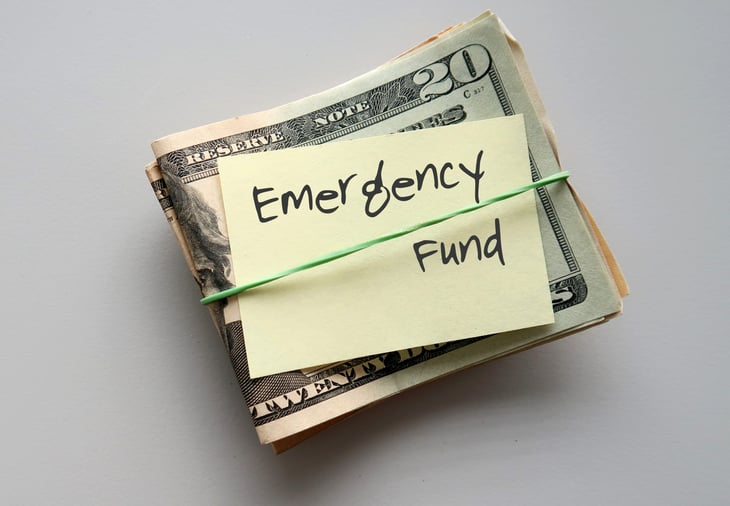
One unexpected expense — a car repair, a dental bill, or a vet visit — can send you right back into debt if you’re not prepared. That’s where a starter emergency fund comes in.
Even $25 a paycheck adds up. Keep it in a separate, high-yield savings account so it’s there when you really need it, not for impulse buys or monthly expenses.
Make your emergency fund work harder by storing it in an account that earns solid interest.
Your financial reset starts here

Getting out of debt isn’t just about the numbers — it’s about confidence, habits, and patience. These five lessons aren’t quick fixes, but they are powerful steps that can move you toward stability and peace of mind.
No matter how deep the hole feels, there’s a path out. And with the right knowledge and tools, you’re more than capable of taking it.
If you’re a homeowner looking for a way forward, your equity could be part of the solution.

Add a Comment