



Medical procedures can devastate your finances if you’re unprepared, especially in times of plummeting stock prices and rising inflation. The average American with medical debt owes $2,400, and medical bills remain the leading cause of personal bankruptcy.
The good news? Most debt is preventable with proper planning. Whether you’re scheduled for surgery or need an MRI, take action before your procedure – not after. Being proactive gives you leverage when costs are still negotiable.
These essential steps create a financial shield around your health, turning potential debt into manageable expenses.
Regular screenings can help identify potential health issues early, potentially reducing the need for costly procedures down the road.
Pro Tip: Life Line Screening reveals hidden risks so you can act early. Book a screening today and have peace of mind.
1. Verify all providers in the care chain

Never assume all healthcare providers at an in-network facility are covered by your insurance. A single out-of-network professional can add thousands to your bill through surprise billing.
Create a checklist of every professional who might participate in your care, such as the surgeon, anesthesiologist, surgical facility, and post-op physical therapy clinic. Log into your insurance portal and verify each provider is in-network.
Request Tax ID numbers (TINs) from each provider and confirm them with your insurer. Insist on written confirmation from your insurance company listing all in-network providers. This documentation becomes crucial if billing disputes arise later.
When you are managing a complex medical procedure, flexible work opportunities can provide much-needed time in the day.
Pro Tip: Looking for a way to earn income with barely any effort? Over $55,000 is paid daily to this company's members who take surveys in their free time.
2. Research provider rates

Healthcare prices aren’t fixed – they’re negotiable, especially when you act before your procedure.
Start by requesting comprehensive written estimates from multiple facilities, breaking down every component: hospital fees, anesthesia, and post-procedure therapy.
Request both the chargemaster rate (list price) and your insurer’s negotiated rate: the dramatic difference between these figures creates your negotiation window.
Use resources like Healthcare Bluebook or Medicare’s Procedure Price Lookup to identify regional averages and overpriced providers.
Pro Tip: Americans have $30 trillion in untapped home equity, yet most can’t access it without taking on debt. Hometap lets you unlock up to $600K of your wealth without monthly payments or personal liability.
3. Comparison shop

Armed with estimates from your research on provider rates, directly negotiate with your preferred provider. Specifically ask: “I’ve received lower quotes from other facilities. Can you match this price?”
When negotiations stall, reference these benchmarks you researched from Healthcare Bluebook or Medicare’s Procedure Price Lookup: “The national average for this procedure is $29,000, but you’re charging $38,000.”
This approach often triggers immediate discounts, especially when providers know you’ve done your homework.
A financial advisor may offer support and advice in determining how much you can afford to pay for a medical procedure.
Pro Tip: If you have over $150,000 in investments, consider talking to a professional financial advisor. WiserAdvisor is a free service that will match you with a pro in your area.
4. Request a charity care screening

Most hospitals offer financial assistance programs that can reduce or eliminate your medical bills, but they rarely advertise them. These programs aren’t just for the uninsured. Many cover patients with insurance who still face significant out-of-pocket costs.
The key is applying before your procedure when the hospital has incentive to work with you. Contact the hospital billing department within 30 days of scheduling surgery and ask to speak with the financial assistance office.
Many facilities also have patient advocates who can guide you through the application process. Organizations like the Patient Advocate Foundation (800-532-5274) provide free assistance navigating these programs.
Prepare for the screening by gathering recent pay stubs, tax returns, proof of household size, and any insurance denial letters. The process typically takes 2-6 weeks, so start early.
Pro Tip: If you have more than $20,000 in unsecured debt, get some professional help. National Debt Relief is a trusted source for free advice and assistance.
5. Secure interest-free payment plans

Payment plans prevent medical debt from damaging your credit. Before the procedure, contact the billing department directly and request a monthly payment cap based on your income, typically 5% or less of your monthly earnings.
Your three non-negotiable terms should be: zero interest, a monthly cap that fits your budget, and a written agreement with no prepayment penalties. If the hospital refuses, don’t hesitate to escalate to your state insurance commissioner.
For perspective, a $30,000 bill with a 5% payment cap on a $60,000 annual income would mean monthly payments around $250, manageable compared to paying the lump sum.
With stockmarket volatility and the potential for a recession on the horizon, obtaining a payment plan is particularly important.
Pro Tip: Gold can offer a strong defense against economic downturns. If you’re concerned about inflation or market shocks, consider safeguarding your savings by opening a gold IRA.
6. Document every agreement

Creating an ironclad paper trail before your procedure prevents costly disputes afterward. Establish a dedicated medical procedure folder (physical and digital) containing all written network verifications, cost estimates, financial assistance approvals, and payment plan terms.
Request confirmation numbers for every phone conversation and follow up with summary emails: “Per my conversation with Jane Smith on June 7th regarding my network status, I’m confirming that Dr. Anderson is in-network for my upcoming procedure.”
Save replies to create binding documentation that hospitals cannot easily dismiss. The importance of documentation applies to other money matters like home and car insurance.
Pro Tip: Use a car insurance shopping site and find cheaper insurance. You might save up to $600/yr.
7. Obtain and document all authorizations
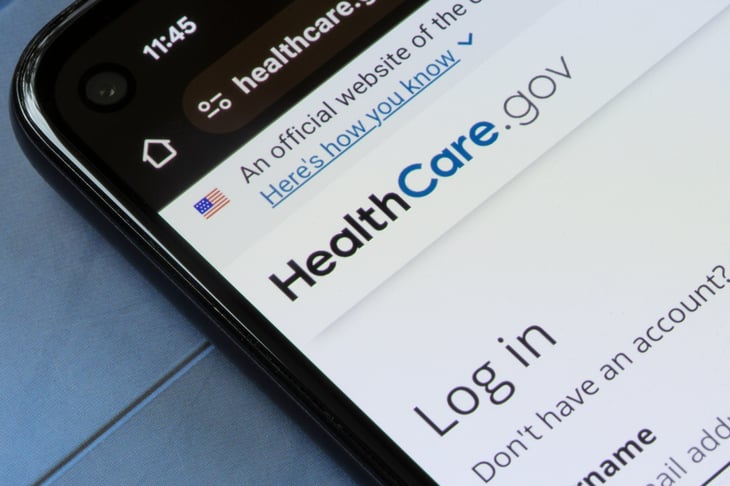
Obtain written pre-authorizations from your insurance company for all aspects of your care, including facility fees, professional services, and post-procedure rehabilitation.
Insurance denials often stem from missing authorizations, so document approval codes for every component of your treatment plan.
If you are experiencing difficulty obtaining authorizations, consider whether a different health plan in the long run may better meet your needs.
Pro Tip: Need Medicare help? Maximize benefits & save money. Get unbiased guidance. Compare plans today.
8. Leverage alternative financing

When payment becomes necessary, choosing the right financing option prevents debt spirals. Medical credit cards like CareCredit offer 0% APR for 6-24 months, but require disciplined repayment before the promotional period ends.
Credit union personal loans typically offer rates that are significantly lower than standard credit cards.
Never finance medical procedures through retirement account withdrawals or home equity unless absolutely necessary. These options might seem convenient but jeopardize long-term financial security.
Instead, work with hospital financial counselors to explore all assistance programs before turning to credit. You may also want to explore whether you can reduce expenses in other areas of your life, like car repairs.
Pro Tip: Car repair bills aren’t what they used to be. One auto shop told Consumer Reports their average job rose from $1,600 a decade ago to $4,000 today. Endurance gives you access to thousands of ASE-certified repair shops and pays the bill upfront, so you’re only responsible for the deductible. Get a free quote today!
Your financial vital signs

Taking control of healthcare costs requires preparation, persistence, and documentation. The steps outlined here create a financial shield that protects your assets while you focus on physical recovery.
Remember that hospitals negotiate thousands of bills daily. Patients who understand the system and advocate firmly for themselves achieve better financial outcomes.
Start implementing these strategies at least 30 days before any scheduled procedure. Each step builds upon the previous one, creating multiple layers of protection against unexpected costs.
Pro Tip: Earn as much as possible on your emergency savings. For example, SoFi Checking is offering 3.8% interest, plus a potential $300 signup bonus. (May change without notice.)

Add a Comment