



Grocery shopping is already a challenge — and with President Trump’s new tariffs on imports from Mexico, Canada, and China, some food prices may spike even more. From fruit to flour to coffee, global trade tension is now hitting the checkout aisle.
But smart shoppers can stay ahead. Many high-priced staples have lower-cost alternatives that are just as good — or better. Here’s how to adjust your shopping list and keep your cart (and your wallet) full.
Pro Tip: Grocery bills creeping up? Offset the extra cost with a little side income. Over $55,000 is paid daily to this company's members who take surveys in their free time.
1. Avocados → Chickpeas or Edamame

Avocados from Mexico are likely to see price spikes. While delicious, they’re not your only option for creamy, nutrient-rich meals.
Swap in mashed chickpeas or seasoned edamame for spreads, bowls, or toast toppings. Chickpeas cost less, offer similar health perks, and can stretch into multiple meals.
Keeping your grocery list flexible helps you avoid last-minute runs to the store and minimizes wear and tear on your vehicle.
Pro Tip: Car repair bills aren’t what they used to be. One shop told Consumer Reports their average job rose from $1,600 a decade ago to $4,000 today. Endurance gives you access to thousands of ASE-certified repair shops and pays the bill upfront, so you’re only responsible for the deductible. Get a free quote today!
2. Garlic → Leeks or Garlic-Infused Oil
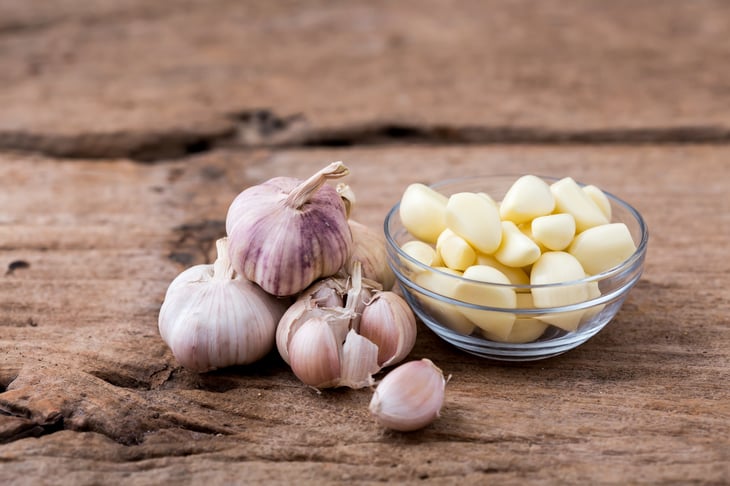
Much of the garlic sold in U.S. grocery stores comes from China, and tariffs could increase prices.
Leeks or garlic-infused olive oil offer similar flavor and tend to last longer in storage.
These alternatives keep your dishes tasty and reduce the risk of spoilage in your produce drawer.
Pro Tip: Earn as much as possible on your emergency savings. For example, SoFi Checking is offering 3.8% interest, plus a potential $300 signup bonus. (May change without notice.)
3. Vinegar → Citrus Juice or Yogurt-Based Marinades

Vinegar is among the food imports potentially affected by tariffs on China. It’s a pantry staple used in everything from sauces to pickling.
Instead of vinegar, try lemon or lime juice for acidity. Plain yogurt tenderizes and adds tang to marinades.
These swaps offer bright flavor and are easy to find in domestic products — without tariff-driven price bumps.
Pro Tip: Need cash, debt relief, or help funding a major expense? Find the best options tailored to your needs — fast, easy, and secure. Explore financial solutions here.
4. Tea → Herbal Blends or Local Mint

Green and black teas are largely imported from China and could see sharp price increases.
Try herbal alternatives or fresh mint tea you grow yourself — refreshing, local, and caffeine-free.
Simple swaps like these reduce import dependence and support your budget and well-being.
Pro Tip: Tea time or not, your health matters. Life Line Screening helps detect hidden risks early—before they become costly problems.
5. Apple Juice → Whole Apples or Sparkling Water

Imported apple juice may become more expensive. But there’s no need to drink your fruit.
Whole apples offer fiber, fewer additives, and longer shelf life — a smart swap that supports both your budget and your health.
Pro Tip: Like choosing whole foods over processed ones, better hearing is now easier to access. The FDA lets you buy top hearing aids without a prescription.
6. Cheese and Yogurt → Plant-Based or Shelf-Stable Options

Imports of cheese and yogurt from Canada and Mexico could face price hikes under proposed tariffs.
Look for U.S.-made brands or plant-based alternatives like oat or soy-based products. Many are budget-friendly and produced domestically.
Buying local or shelf-stable items when available can help avoid tariff-driven spikes on refrigerated imports.
Pro Tip: This might be a good time to consider an investment in wine and whiskey. Vinovest can get you started with as little as $1,000.
7. Fish & Seafood → Canned Tuna or Beans

Seafood from China is already expensive — and tariffs won’t help.
Instead, try canned tuna, domestic fish, or even high-protein beans for stews and salads.
Beans last longer, cost less, and are packed with nutrients.
Pro Tip: Saving is great. Growing your money is better. Earn as much as possible on your emergency savings. For example, SoFi Checking is offering 3.8% interest, plus a potential $300 signup bonus. (May change without notice.)
8. Vegetable Oils → Butter or Avocado Oil

Tariffs may drive up prices on imported vegetable oils like soy or palm oil, especially those sourced from overseas.
Butter or coconut oil offer flavorful, heat-stable alternatives — and both are widely produced in the U.S.
Protecting your pantry from price spikes is smart — and so is planning ahead for unexpected expenses that hit even closer to home.
Pro Tip: Vet bills can devour your savings. Protect yourself and your furry friends with Pet Insurance.
9. Coffee → Chicory or Cold Brew Concentrate

Imported coffee could spike in price — but don’t skip your morning ritual.
Mix in chicory to stretch your grounds or switch to cold brew concentrate for more servings.
It’s smoother, lasts longer, and stretches your dollar.
Pro Tip: Coffee isn’t the only thing to prep ahead. If you have a high-deductible health plan, you should have a Health Savings Account. Check out Lively HSAs.
10. Sugar → Fruit or Maple Syrup

Tariffs on sugar may hit hard — especially on imported bags and bulk quantities.
For sweetening, use mashed bananas, applesauce, or domestic maple syrup in baked goods and sauces.
These are cleaner, cost-effective swaps with added nutritional value.
Pro Tip: Making healthy swaps at home? A home equity loan is a great way to access fast cash. Take a minute right now and see how much you can get, how fast you can get it and how little you'll pay.
Smart swaps = smarter spending

With tariffs threatening to increase prices on everyday staples, creative grocery swaps can help you avoid sticker shock without sacrificing taste or nutrition.
Choosing alternatives to imported goods helps stretch your grocery dollars — and build habits that support long-term financial stability.
Flexible work can make a real difference if you’re looking to boost your income while you save.
Pro Tip: If you’re looking for part-time or work-from-home jobs, FlexJobs lets you browse and apply to verified jobs around the corner and around the world.

Add a Comment