



Homeowners insurance is a crucial safeguard, but it doesn’t cover everything. Hidden gaps in coverage could leave you vulnerable when disaster strikes.
Here are seven common exclusions to watch for—and how to protect yourself.
1. Flood Damage
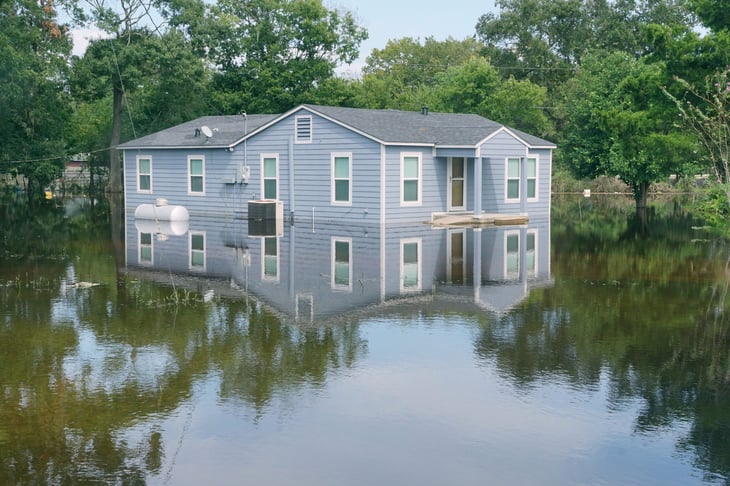
Standard homeowners insurance policies don’t cover flooding from heavy rain, overflowing rivers, or rising groundwater. Flooding can happen almost anywhere, even outside designated flood zones.
Flood insurance is often available through the National Flood Insurance Program (NFIP) or private insurers, but you must purchase it separately. Policies typically have a 30-day waiting period, so plan ahead.
Tip: Use FEMA’s flood maps to assess your risk and determine if additional coverage is necessary.
Pro tip: Why pay more for home insurance? Compare quotes from top providers and find the best price that fits your budget.
2. Sewer Backups
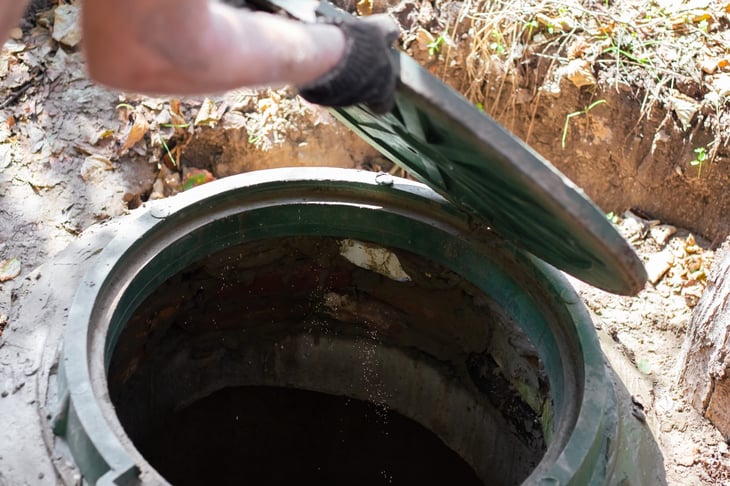
A backed-up sewer or sump pump failure can cause extensive water damage, but standard policies typically exclude this loss.
To protect your home, consider purchasing a sewer backup endorsement, usually available as an add-on. Preventative measures like installing a backflow valve can also reduce the risk.
Pro Tip: Check your policy’s exclusions and add this endorsement if your home relies on a sump pump or is in a high-risk area.
3. Earthquake Damage

Earthquakes, like floods, are excluded from most standard homeowners insurance policies. Coverage for seismic events must be purchased separately, often as an add-on or standalone policy.
Even if you don’t live near a fault line, minor earthquakes can cause structural damage. Earthquake insurance is especially valuable, and expensive, in high-risk areas like California.
Pro Tip: Use FEMA’s resources to understand your earthquake risk and explore coverage options.
4. Mold Growth
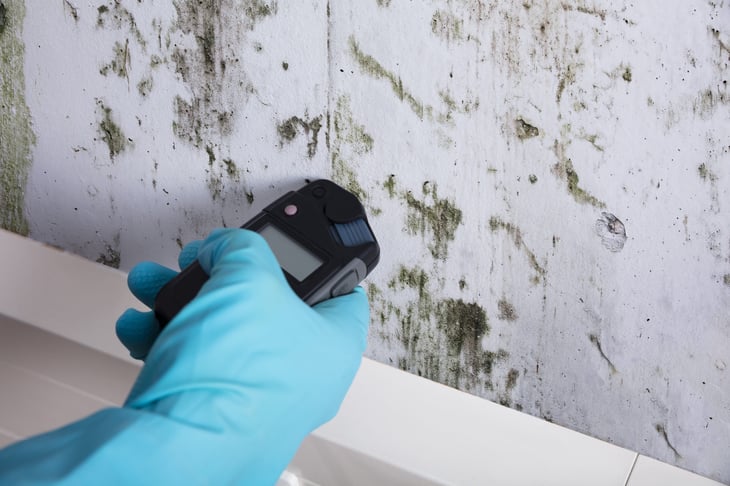
Mold damage is usually excluded from coverage unless a covered event, such as a burst pipe, directly causes it.
Insurers often consider mold a preventable issue, meaning remediation costs may fall on the homeowner.
Some companies offer optional endorsements for hidden water damage, including mold protection. Preventative measures, like fixing leaks promptly, are your best defense.
Pro Tip: If you live in a humid climate, check your policy’s stance on mold and consider an endorsement.
5. Pet-Related Damage

While homeowners insurance typically covers liability for injuries your pet causes to others, it won’t pay for damage your furry friend does to your property. Scratched floors, chewed furniture, and other pet-related mishaps are excluded.
Some policies may also exclude liability coverage for certain dog breeds, so it’s essential to review the fine print if you have pets.
Consider pet-specific insurance for additional protection if you’re concerned about damage or liability issues.
Pro tip: Vet bills can devour your savings. Protect yourself and your furry friends with Pet Insurance.
6. Termites and Pests

Damage caused by termites, rodents, or other pests is considered preventable by insurers and is excluded from standard policies. Homeowners are responsible for pest control and any resulting damage.
Investing in a termite bond or repair warranty through a pest control company can help cover costs associated with infestations.
Pro Tip: Regular pest inspections and maintenance can prevent costly repairs.
7. Simultaneous Events
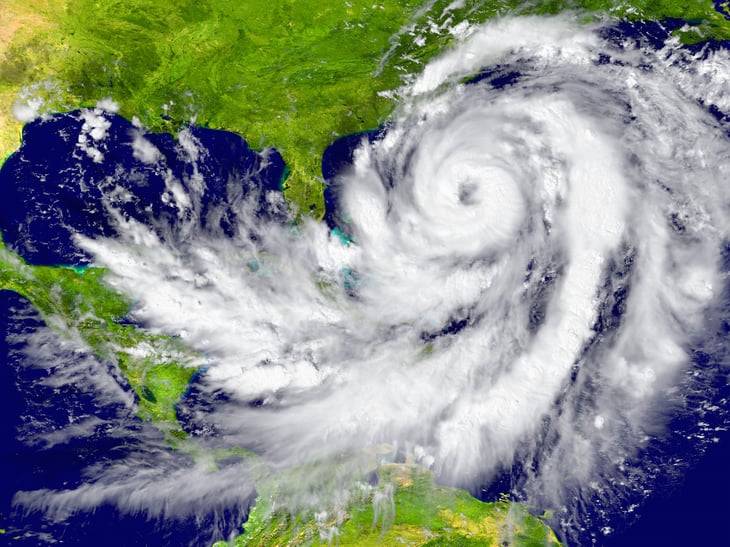
Coverage can get complicated if multiple events—like wind and flooding—combine to damage your home. Insurers often include “anti-concurrent causation” clauses that limit payouts if one event is covered (e.g., wind damage) but another is excluded (e.g., flooding).
Understanding these clauses is key to avoiding unpleasant surprises when filing a claim.
Pro Tip: Read your policy carefully to understand how simultaneous events are handled and consider endorsements to fill gaps.
Protect Your Home From Gaps

Homeowners insurance provides essential coverage, but understanding its exclusions is critical.
Evaluate your policy to identify gaps and consider add-ons or standalone coverage for specific risks. By staying informed, you can ensure your home is fully protected.

Add a Comment