



Insurance has been around for thousands of years, evolving from simple agreements between traders to the complex industry we rely on today. It has funded exploration, rebuilt cities, and even influenced major world events. What started as a way to share risk became a trillion-dollar global safety net.
Today, insurance covers everything from homes to space travel, but how did it all begin? The answer lies in history’s most defining moments.
1. Ancient Roman Guilds Created the First Life Insurance

The Romans understood financial protection. Burial societies—early life insurance—helped families cover funeral costs. Members contributed regularly, ensuring a payout when needed. These guilds also supported widows and orphans as an early social safety net.
Roman traders also developed risk-sharing agreements for sea voyages, ensuring they didn’t lose everything if a ship sank. The principle of pooling resources to protect against financial loss became the foundation for modern life insurance policies.
2. The Great Fire of London Sparked the First Fire Insurance

In 1666, the Great Fire of London destroyed over 13,000 homes, leaving thousands in financial ruin. This disaster led to the creation of the first fire insurance company, founded by economist Nicholas Barbon.
Homeowners paid a premium in exchange for financial protection against future fires. His company even formed private fire brigades to put out fires on insured properties. This innovation marked the birth of property insurance, which continues to protect millions today.
Pro Tip: Home repairs can be just as costly today. Consider a home warranty to cover appliances and systems before disaster strikes.
3. Pirates and Shipwrecks Led to Marine Insurance
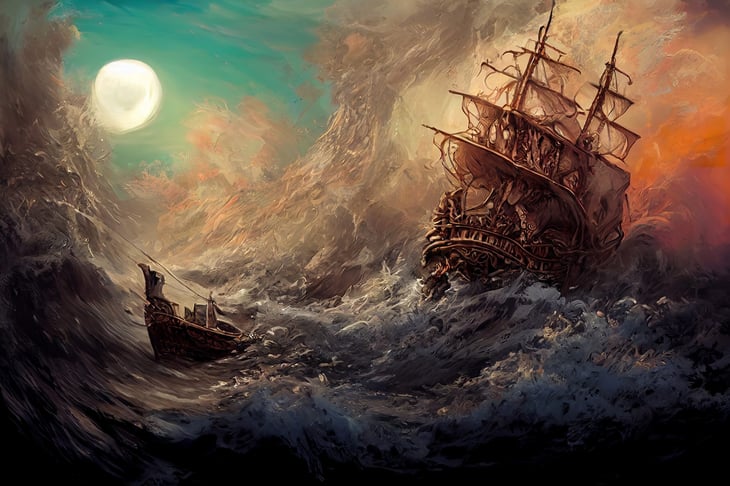
During the Age of Exploration, merchants risked losing everything to shipwrecks, storms, and pirates. To share this risk, traders developed marine insurance. London’s coffeehouses became hubs where merchants met to finance voyages in exchange for a cut of the profits.
One such coffeehouse evolved into Lloyd’s of London, now one of the most famous insurers in the world. The shipping industry still depends on marine insurance today to manage massive global trade risks.
Pro Tip: A modern-day shipwreck—your car breaking down—can be just as costly. Repair costs are skyrocketing, making protection more important than ever. Consider the cost-benefit of an extended car warranty to avoid sudden, expensive repairs.
4. Ben Franklin Helped Create America’s First Insurance Company

Benjamin Franklin wasn’t just a statesman but also an insurance pioneer. In 1752, he co-founded the Philadelphia Contributionship, America’s first fire insurance company.
Unlike others at the time, Franklin’s company promoted fire prevention, requiring homeowners to meet safety standards before receiving coverage. His innovative approach made insurance more reliable and laid the groundwork for today’s home insurance policies, proving that financial protection works best with proactive risk management.
5. The Rise of Life Insurance Provided Generational Wealth

In the 18th and 19th centuries, life insurance expanded beyond burial societies, offering long-term financial security for families. The first modern life insurance companies were founded in England and the U.S., allowing policyholders to pass on wealth to future generations.
By the 20th century, life insurance became a standard tool for estate planning, helping millions protect their loved ones from financial hardship. Today, life insurance remains essential for long-term financial stability.
Pro Tip: Secure your family’s financial future with the right life insurance policy. Here's a place to get a free, no-obligation quote and ensure long-term peace of mind.
6. The Titanic Disaster Revolutionized Travel Insurance
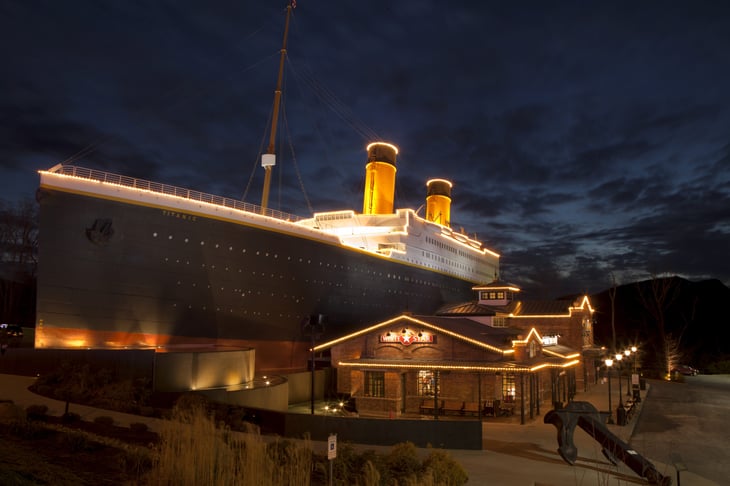
The sinking of the Titanic in 1912 forced the insurance industry to reassess risks. While passengers had minimal coverage, the ship itself was insured for $5 million, a massive claim for the time.
The disaster led to stricter regulations and spurred the growth of travel insurance policies to protect against cancellations, medical emergencies, and lost baggage. Today, travelers have far more options to safeguard their trips financially, a shift directly tied to lessons learned from the Titanic.
Pro Tip: Don’t risk losing money on your next trip. Protect your journey with coverage against trip cancellations and medical emergencies.
7. WWII Sparked the Growth of Employer-Based Health Insurance

During World War II, wage controls prevented companies from offering higher salaries. To attract workers, businesses began offering health insurance as a benefit.
This strategy took off, and by the 1950s, employer-sponsored health coverage became the norm in the U.S. Without this wartime shift, the American healthcare system might look very different today.
8. Social Security Brought Insurance to the Masses
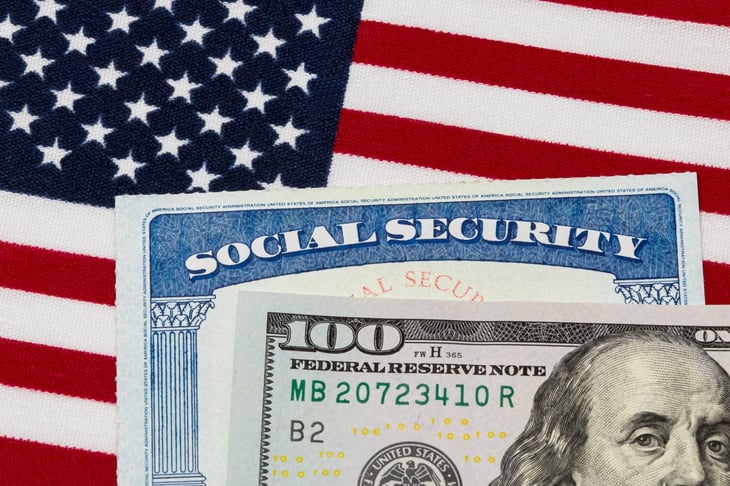
Before the 1930s, financial security in old age was uncertain. Most people worked until they physically couldn’t, relying on family for support. The Social Security Act of 1935 changed that by creating a nationwide insurance program for retirees, disabled individuals, and surviving family members.
Funded through payroll taxes, it provided financial stability for millions and marked a major shift in how governments approached financial protection.
9. The Rise of Auto Insurance Transformed Driving

As cars became common in the early 20th century, accidents skyrocketed. Many drivers couldn’t afford to cover damages, leading to the first auto insurance policies. Massachusetts became the first state to require car insurance in 1927.
Today, it’s a necessity to protect drivers from financial ruin. Without it, millions of accidents each year could leave people bankrupt.
Pro Tip: Compare rates with this car insurance site to save up to $600 a year.
10. The Space Age Brought Insurance Beyond Earth
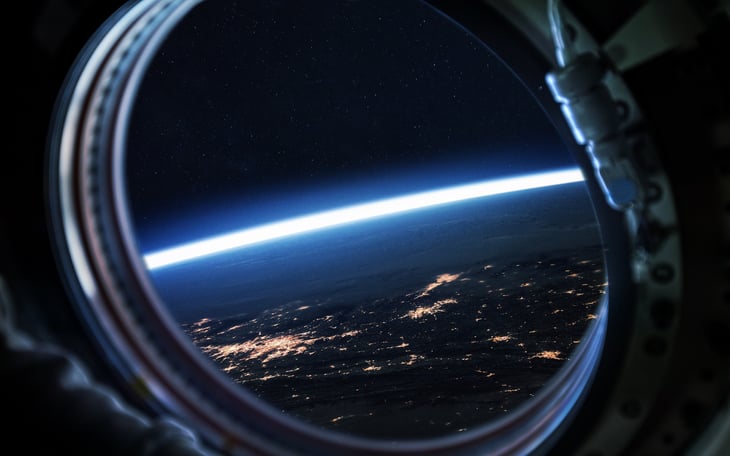
When satellites first launched into orbit, insurers faced a new challenge: what happens if a multimillion-dollar satellite fails?
Space insurance emerged in the 1960s, covering everything from launches to potential failures in orbit. As private space travel grows, insurance will play a crucial role in making space tourism a reality.
11. Climate Change is Reshaping Insurance Today

With wildfires, hurricanes, and floods becoming more common, insurance companies are reassessing risk. Some areas are seeing higher premiums or being denied coverage entirely.
Insurers now use AI and big data to predict climate risks and adjust policies. The industry must evolve quickly to keep up with an unpredictable climate.
12. AI is Revolutionizing Modern Insurance

Artificial intelligence is changing how insurance works, from processing claims to detecting fraud. Algorithms analyze risk faster than humans, helping insurers set accurate rates and approve policies instantly.
AI-powered chatbots even handle customer service. As technology advances, insurance will become more efficient and accessible.
The Future of Insurance: A Constant Evolution

From ancient Rome to AI-driven policies, insurance has always adapted to meet society’s needs. It has helped rebuild after disasters, protected businesses, and provided financial security for generations.
As new risks emerge—climate change, automation, and global instability—insurers can continue evolving to address them and protect policyholders from the financial consequences of unforeseen disasters, economic shifts, and emerging threats.

Add a Comment