


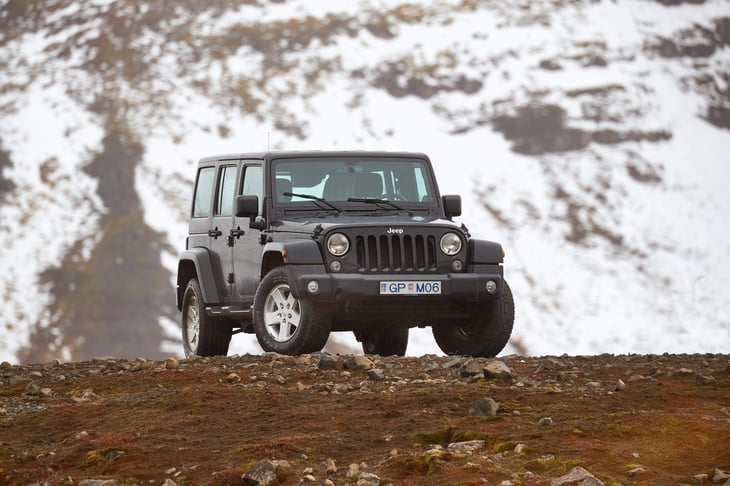
The Jeep Gladiator generated buzz when it launched in 2018, offering Jeep enthusiasts their first pickup option in over 25 years. Sales soared during the pandemic, reaching nearly 90,000 in 2020.
However, after Jeep’s parent company, Stellantis, shifted focus to higher-margin vehicles, prices skyrocketed. Sticker prices for Gladiators now range from $40,000 to $72,000, and Jeep’s overall sales have plummeted.
But high prices don’t mean you have to overpay. Here are five tips for getting the best deal when buying your next car.
1. Shop Around

Don’t settle for the first deal you find. Pricing for the same model can vary significantly between dealerships, even in the same area.
Take your time to compare options. Some dealerships may offer price matching, which could save you from traveling farther for a better deal. Shopping around also discourages sales teams from adding hidden fees when they know you’ve done your research.
Pro tip: Save up to $600 on your car insurance with This car insurance comparison site.
2. Avoid Unnecessary Add-Ons

Dealerships often try to upsell with costly add-ons like extended warranties, paint protection, or interior treatments. While some extras might seem appealing, they’re often overpriced.
Instead, stick to the essentials and look for third-party providers for services like vinyl wraps or window tinting at lower costs. Keeping add-ons to a minimum will help you avoid inflated loan balances and longer repayment terms.
3. Be Wary of Sales Tactics

Salespeople may use psychological tactics to pressure you into a higher-priced deal. For example, some may let you “test drive” the car home overnight, playing on your emotional attachment to it. Others might suggest the vehicle is a “hot commodity” to create urgency.
Stay firm, read the fine print, and insist on the original deal. Don’t let high-pressure sales tactics cloud your judgment.
4. Consider Certified Pre-Owned Vehicles

Buying a new car means taking an immediate hit from depreciation. On average, vehicles lose more than 40% of their value within the first three years.
Certified pre-owned (CPO) vehicles offer a compromise. These cars are inspected, refurbished, and often come with warranties and roadside assistance. You’ll get a nearly new car without the steep depreciation.
5. Choose a Reputable Dealer

Not all dealerships are created equal. Look for ones with positive reviews and transparent pricing. Avoid dealerships with consistent complaints about hidden fees or predatory practices.
Research online and read reviews from other buyers. A dealership with a solid reputation can save you time, money, and hassle during the buying process.
Drive Smarter, Not Harder

Buying a car is a significant investment, but you don’t have to break the bank. You can drive away with a great deal by shopping wisely, avoiding unnecessary costs, and considering pre-owned options.
Use these strategies to take control of your car-buying experience and ensure you never overpay.

Add a Comment