


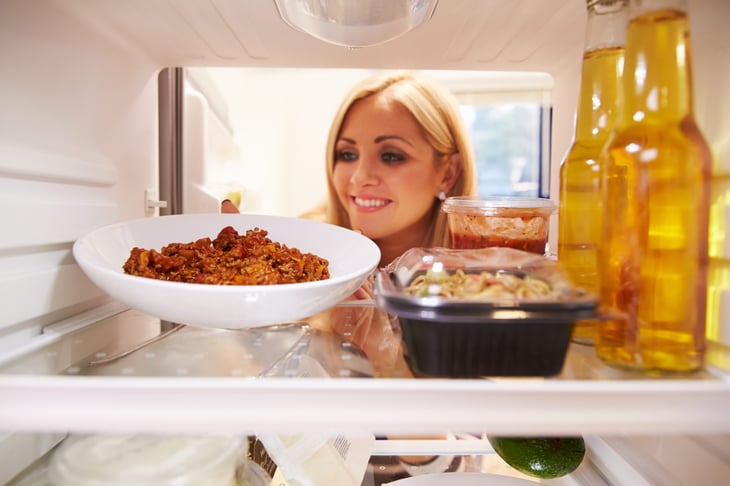
We’ve all been there: Dinner is long over, and you’ve got amazing leftovers—and you know a simple reheat process is really going to hit the spot.
According to Reader’s Digest, however, some reheats are riskier than others, and you’ll want to exercise caution when it comes to certain foods.
1. Eggs
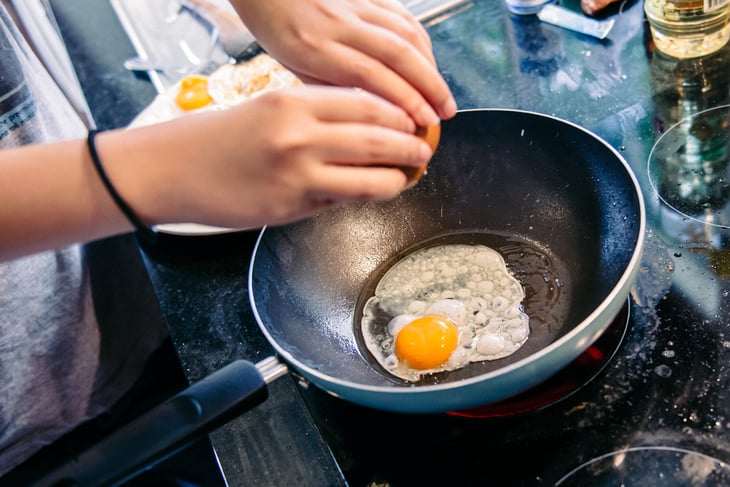
Believe it or not, eggs often contain salmonella. Cooking them can kill the bacteria, of course, but if you don’t do so properly, eggs can be hazardous. And if those improperly cooked eggs are reheated or stored incorrectly, they become another dangerous bacteria breeding ground. Eggs are best enjoyed fresh, and you can avoid any reheating risk by simply cooking fresh eggs when you need them.
2. Beets
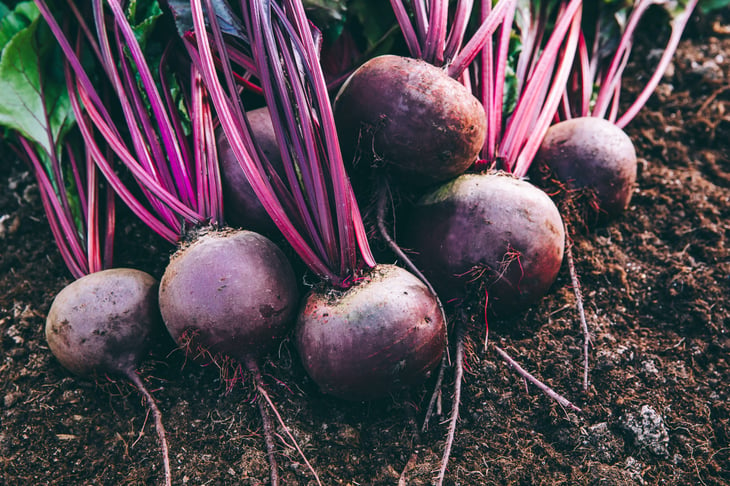
They pack nutrients and health benefits, such as strengthening your blood flow, but beets are still best on the first go. Nitrates dwell within this veggie, and storing and reheating beets can cause them to turn into nitrosamines, which are known carcinogens. Microwaving beets is especially dangerous, as microwaves heat unevenly and can help grow these nitrosamines.
3. Potatoes
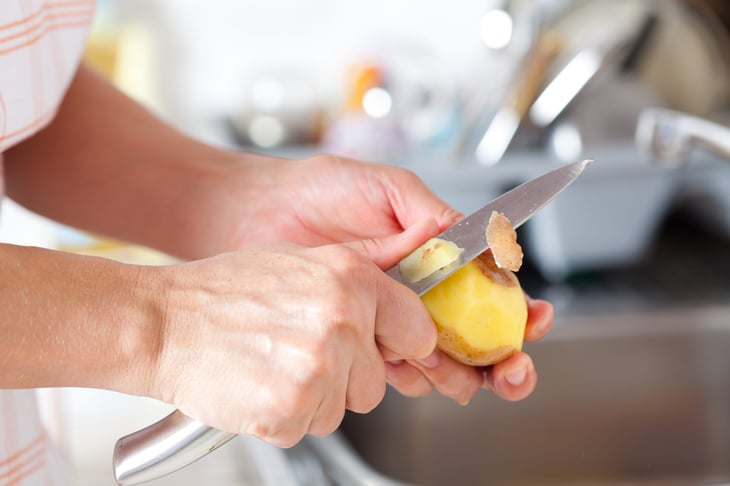
If left out too long or not cooked properly, potatoes are just asking for a bacteria takeover waiting for Clostridium botulinum. An uniquely vulnerable product is the foil-wrapped potato: A wrapped spud doesn’t have access to oxygen, assisting in that bacteria’s growth. Reheating a potato in a microwave won’t kill the bacteria, as heating a raw potato in a microwave would. Best to enjoy potatoes immediately after they are cooked properly.
4. Spinach
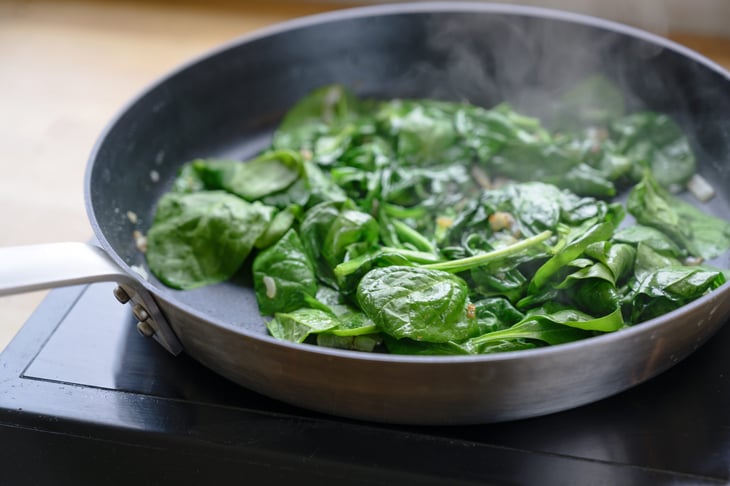
A cousin to beets when it comes to heating and nitrates, spinach is vulnerable to being transformed to nitrosamines if stored or reheated improperly. You should serve spinach raw to avoid this from happening.
5. Breast milk
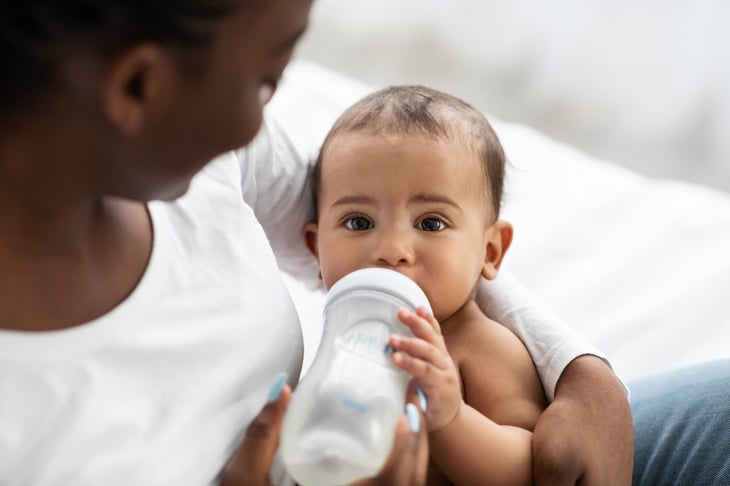
Believe it or not, this is a tricky item to store and reheat, but the issue is salvia, not foodborne pathogens. When a baby takes a swig from a bottle, they leave behind salvia in that milk, which can bacteria mismatch. Neither microwaving nor warming can kill potential leftover bacteria in salvia.
6. Rice

If stored improperly, the natural Bacillus cereus in rice supplements itself to an extremely hazardous level. If you get leftover takeout, put that rice in the fridge sooner rather than later—or risk battling the endurance of the endowment of Bacillus cereus.
7. Chicken

It’s safe to assume chicken has salmonella, to some degree, off the bat. If you don’t cook it to proper internal temperatures, you risk bacteria growing uncontrollably. Make sure your chicken gets to at least 165 °F, and know that microwaving, since it can sometimes heat unevenly, isn’t the best alternative for reheating. Chicken salad is a good reheating alternative, since it’s cooked to begin with.
8. Some oils
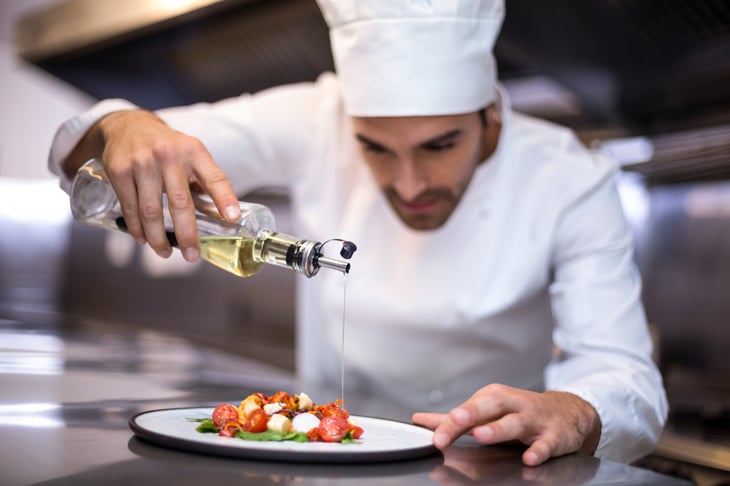
If your oil is rich in omega-3s, you’d best swallow it in the first go. Oils rich in omega-3s—like extra virgin olive oil and canola oil—move towards becoming unstable and rancid when reheated.
9. Most oily foods

Besides omega-3 rich oils, other fats aren’t good with reheating, usually due to unsafe fumes (smoke in particular). Oily foods are the most guilty perpetrators here, and microwaving can help unwanted smoke reach risky levels.
10. Buffet food
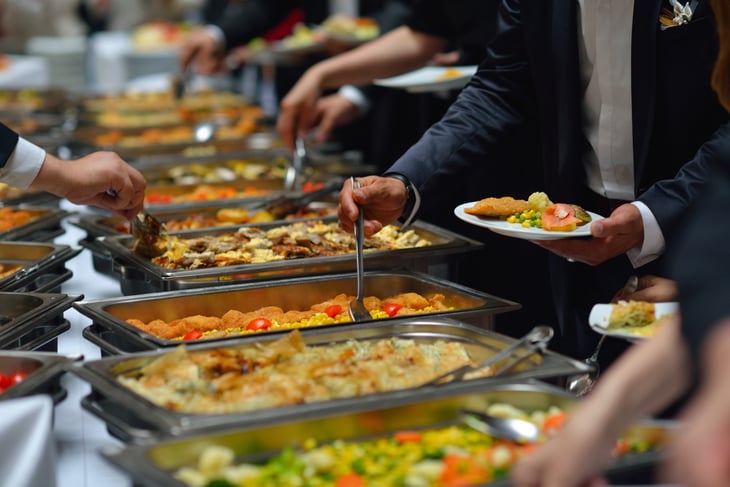
Eateries don’t like patrons taking excess food home with them, but if they let you, you’d be reeling back to that restaurant to take some leftovers—potentially to their deficit—home with you.
However, those buffet trays aren’t made to keep food hot enough to squash pathogens. Therefore, hot food, that’s not-hot-enough food, arguably is being stored in a bacteria-breeding environment.
11. Seafood
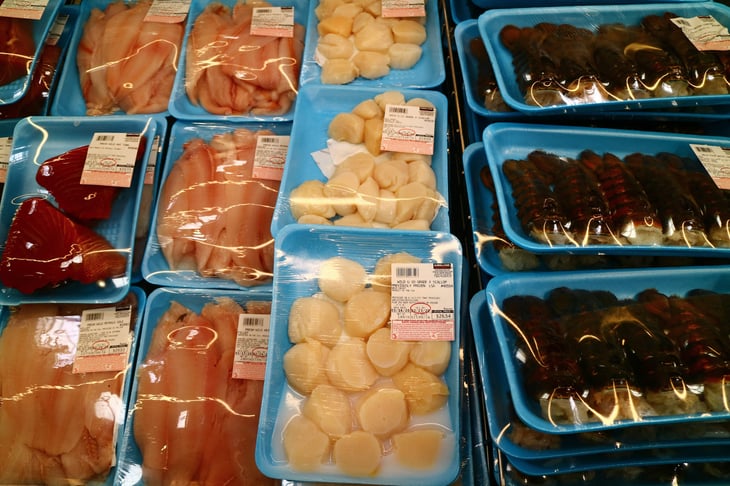
Seafood poses a particular risk. Bacteria on fish can quickly multiply at warm room temperatures between 70 and 140 °F, so if you plan to eat leftover fish from the fridge, it’s gotta stay there until you’re ready to eat it. The damp, extra hot, sunny summertime day? Leaving your fish out is practically a guarantee those pathogens will grow to unsafe amounts.

Add a Comment