



The average American spends $98 each month on their favorite hobby, with costs varying widely depending on the activity, according to a recent survey by Self Financial.
While reading tops the list as the most popular and relatively affordable hobby, musicians face the steepest costs, shelling out $174 monthly for their passion, the study finds. Despite financial challenges, most Americans consider their hobby expenses worthwhile investments in their well-being.
1. Americans spend nearly $1,200 annually on their favorite hobbies
Most Americans have between four and six hours of leisure time daily, according to a 2024 Business Insider report, and many choose to fill those hours with hobbies that bring joy and fulfillment.
Recent survey data from Self Financial shows the average American spends $98 per month on their favorite hobby, approximately $1,176 annually.
Self Financial reports that the most common spending range is between $50 and $100 monthly, with 36.5% of hobbyists in this bracket.
However, one in four Americans reports spending more than $100 monthly on their preferred leisure activities, showing how significant hobby expenses can become in household budgets.
2. Reading tops the list of favorite American pastimes

According to Self Financial, reading ranks as America’s most beloved hobby, with 16% of survey respondents identifying it as their favorite leisure activity. The survey found that this popularity may be partly due to its affordability, as reading enthusiasts spend an average of just $66 monthly.
Video gaming claims second place at 13.7%, with participants spending about $70 monthly, Self Financial reports.
Cooking and baking round out the top three at 12.3%, though this culinary passion comes with a higher price tag, approximately $135 per month on ingredients and equipment.
3. The most expensive hobbies: Music, cars, and travel

While making music might inspire passion, it also demands the deepest pockets. Musicians spend an average of $174 monthly, the highest amount among all hobbies surveyed by Self Financial.
These costs can quickly add up, between instrument purchases, maintenance, lessons, recording equipment, and other accessories.
The survey found that car and vehicle enthusiasts face similarly steep expenses, spending about $171 monthly. According to Self Financial data, travel enthusiasts complete the top three most expensive hobbies, investing around $143 each month on their adventures and explorations.
4. Budget-friendly options: Gardening leads affordable pursuits
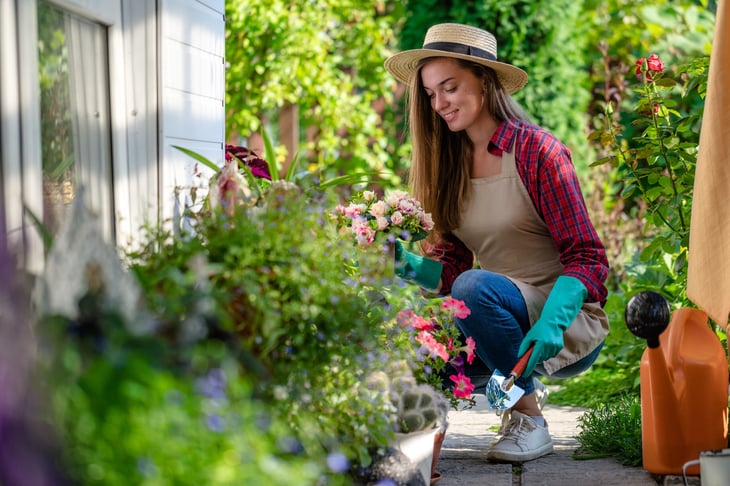
For those seeking budget-friendly hobbies, gardening tops the list with the lowest average monthly expenditure at $65, Self Financial reports. This may make it particularly attractive for older adults on fixed incomes looking to maintain active interests without financial strain.
Reading ($66) and video gaming ($70) follow closely as affordable options, according to the survey.
Writing also offers good value at $72 monthly, though interestingly, it ranks among the least common favorite hobbies, with only 1.1% of respondents claiming it as their primary leisure activity, Self Financial found.
5. Financial struggles impact hobby participation

Despite their importance for relaxation and fulfillment, 59.3% of Americans report difficulty affording their favorite hobbies, according to Self Financial.
The survey revealed that financial challenges are most pronounced among those earning between $10,001 and $25,000 annually, with nearly 70% reporting affordability issues.
In response to cost concerns, 44.3% of those struggling financially have switched to new hobbies, while 24.8% have modified their existing hobbies to be more affordable, Self Financial reports. Additionally, more than half (52.4%) of Americans report spending less on hobbies compared to the previous year.
6. Creative pursuits offer a middle-ground option

DIY projects and arts and crafts rank fourth among favorite hobbies (9.7% of respondents), according to Self Financial, and represent a middle ground in terms of expense at about $80 monthly. These activities offer particular advantages for older adults seeking cognitive stimulation and creative outlets.
The versatility of these pursuits allows participants to scale costs according to their budgets. Simple crafting with basic materials can be quite affordable, while more ambitious projects using premium supplies might cost considerably more.
Many craft enthusiasts also report satisfaction from upcycling or repurposing existing materials, further reducing expenses.
7. Age influences hobby preferences and spending

Survey demographics from Self Financial reveal interesting patterns in how different age groups approach leisure spending. Adults aged 43 to 58 and those 59 and older tend to favor more affordable, established hobbies like reading and gardening compared to younger counterparts.
Older adults often benefit from senior discounts on hobby-related purchases and tend to have accumulated equipment over time, reducing ongoing expenses.
They’re also more likely to report satisfaction with their hobby choices despite cost considerations—93.2% of all respondents stated they don’t regret their hobby pursuits regardless of expense, according to Self Financial.
8. Affordable alternatives to expensive hobbies

For those looking to adopt new hobbies without significant expense, several alternatives exist to pricier pursuits. Instead of costly travel, local exploration and day trips can satisfy wanderlust at a fraction of the cost.
Community music programs offer more affordable alternatives to private lessons for aspiring musicians.
Cooking enthusiasts can reduce expenses by focusing on simple recipes with seasonal ingredients rather than exotic components. Fitness buffs might skip gym memberships in favor of home workouts, walking groups, or community classes often offered at reduced rates for seniors.
9. The value beyond the cost

Despite financial concerns, many Americans consider their hobby expenses worthwhile investments in their well-being. Particularly for adults over 50, hobbies provide critical social connections, cognitive stimulation, and purposeful activity that contributes to overall quality of life.
More than 93% of those surveyed by Self Financial said they don’t regret their hobby choices despite expenses, suggesting the non-monetary returns—enjoyment, skill development, and personal fulfillment—outweigh financial considerations for most hobbyists.
This perspective becomes especially important during retirement years when meaningful engagement becomes increasingly valuable.
10. Outdoor activities: Health benefits at reasonable cost

Outdoor activities like hiking, fishing, and birdwatching rank sixth among favorite hobbies (6.2%) with moderate monthly costs averaging $93, according to Self Financial. These pursuits offer particular advantages for older adults seeking both physical activity and connection with nature.
Initial investments in quality gear can be substantial, but many outdoor enthusiasts report lower ongoing costs once equipped with basics.
Additionally, many natural areas offer senior discounts on entrance fees or permits, and group outings through senior centers or community organizations can further reduce individual expenses.
11. Technology makes hobbies more accessible

Technology has transformed hobby accessibility, creating both challenges and opportunities for budget-conscious enthusiasts. Online tutorials, virtual communities, and digital resources have reduced barriers to entry for many hobbies, from cooking to crafting.
For adults over 50, digital platforms offer ways to engage with hobbies despite physical limitations. Virtual book clubs maintain reading communities without transportation concerns, while online classes provide accessible instruction for everything from watercolor painting to yoga.
12. Finding balance between passion and practicality

When budgets tighten, hobby enthusiasts face difficult choices. Yet survey data from Self Financial suggests most Americans recognize the importance of maintaining leisure activities even during financial constraints, with many adapting rather than abandoning their passions entirely.
More than half (55.1%) of respondents believe their favorite hobby is too expensive for newcomers, Self Financial reports, highlighting the importance of realistic expectations when exploring new interests.
For older adults especially, starting modestly and scaling up engagement as skills and interest develop offers a sustainable approach to hobby adoption.
The joy beyond the price tag

Despite financial pressures, most Americans find their hobby investments worthwhile. Even among those reporting difficulty affording their leisure activities, satisfaction remains remarkably high, suggesting that the intangible benefits of engaging passions often transcend monetary considerations.
For those over 50, hobbies provide structure, purpose, and joy that contribute significantly to quality of life in later years.
Whether spending $65 monthly on gardening or $174 on making music, according to Self Financial, the returns on these investments extend far beyond dollars and cents, enriching lives in ways that spreadsheets simply can’t measure.

Add a Comment