


Most Americans say they’re eating right, according to a recent Gallup poll, and that’s been fairly consistent over the years.
Gallup reports that since it started asking about dietary habits in 2001, the majority of Americans, 84%, have self-reported that their diet is at least “somewhat healthy” or “very healthy.”
The survey of just over 1,000 adults also found a common behavior among those who say they have healthy diets: checking labels at the grocery store.
A third of Americans say they pay “a great deal” of attention to the nutrition info on food labels, and 42% pay “a fair amount.” Those who don’t are in the minority, with 15% of U.S. adults saying they don’t pay much attention to labels, and 9% saying they don’t pay any attention at all.
There are a few lines of information on those labels that are particularly important to most who read them. Do you check all these popular points of focus? Or just the top two? Let’s see.
1. Sugar/added sugar
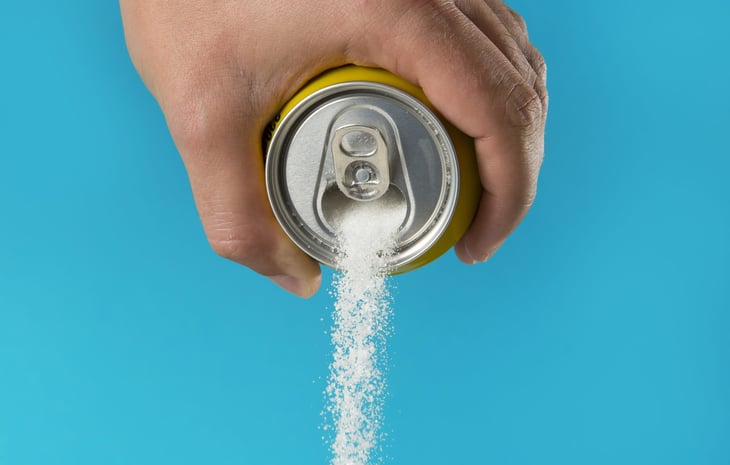
Share of the respondents who pay a “great deal” or “fair amount” of attention to nutritional labels who look at this specifically: 47%
Natural sugars occur in many whole foods, which the body digests slowly for a steady source of energy. Too much sugar, though — especially added sugar — can have unhealthy consequences. Harvard Medical School reports that it’s most present in goods like soft drinks, fruit drinks, flavored yogurts, cereals, cookies, cakes, candy and most processed foods.
It’s also in less obvious foods, like ketchup, soup, cured meats and bread.
Sugar levels can be hard to guess, so checking the food label is advantageous.
Harvard researchers found an association between a high-sugar diet and a greater risk of dying from heart disease. During the 15-year study, the risk of dying from cardiovascular disease was 38% higher for those who consumed 17% to 21% of their calories from added sugar than for those who consumed 8% of their calories from this source.
The American Heart Association (AHA) reports that the average adult in the U.S. consumes approximately 17 teaspoons of added sugar daily, which is two to three times the recommended daily allowance for men and women, respectively.
The AHA says the recommended amount of added sugar per day for men is no more than 9 teaspoons (36 grams or 150 calories), and for women, it’s no more than 6 teaspoons (25 grams or 100 calories) per day.
For reference, a 12-ounce can of Coca-Cola has 39 grams of sugar and a 12-ounce can of Pepsi has 41 grams of sugar.
2. Calories

Share of the respondents who pay a “great deal” or “fair amount” of attention to nutritional labels who look at this specifically: 37%
Calories are essential for people to function; however, they can be consumed in excess.
A common reason for being overweight or obese is the overconsumption of calories. If someone consumes more calories than they burn, those surplus calories are stored in fat cells.
The amount of calories necessary for daily function can vary greatly depending on lifestyle, genetics and other physiological factors. For women it can range from 1,600 to 2,200 calories per day, and for men, it can range from 2,000 to 2,600 calories per day, according to the National Institutes of Health (NIH).
MyPlate.gov has a guide to get a more specific calorie intake suggestion.
Checking food labels and being mindful about calories can help someone avoid being overweight or obese: two health conditions associated with serious consequences. According to the NIH, some of the health risks associated with the two are:
- Type 2 diabetes
- High blood pressure
- Heart disease
- Stroke
- Some cancers
All of these conditions can lead to fatal consequences — and that’s not even the full list.

Other important food label elements
Sugar and calories are by far the most looked-at factors on a food label, but they aren’t the only popular considerations.
Of the 14 nutritional factors Gallup surveyed people on, these were the other most common, and how many respondents indicated they check for the information:
- Carbohydrates (17%)
- Protein content (15%)
- Fat/Fat levels (14%)
- Nonspecific ingredients (14%)
- Sodium level (11%)

Add a Comment