


Credit scores play a major role in your financial life, yet many people misunderstand how they work.
Believing common myths about credit scores can lead to poor financial decisions, higher costs, and missed opportunities.
Here are six myths about credit scores you need to stop believing—and the truth behind them.
1. Checking Your Credit Hurts Your Score

Many people believe that checking their own credit score will lower it, but this isn’t true. When you check your score, it’s considered a “soft inquiry,” which doesn’t affect your credit.
Only “hard inquiries,” such as when a lender reviews your credit for a loan or credit card application, can have a small, temporary impact on your score.
Regularly checking your credit helps you spot errors and track your progress without any downside.
Pro tip: If you have more than $20,000 in unsecured debt, and are having trouble, get some professional help. National Debt Relief is a trusted source for free advice and assistance.
2. Closing Old Accounts Improves Your Credit Score

It might seem logical to close old credit card accounts you no longer use, but doing so can actually hurt your score.
Your credit utilization ratio—how much of your available credit you use—plays a significant role in determining your score.
Closing an account reduces your total available credit, which can increase your utilization ratio and lower your score.
If the account doesn’t have an annual fee, it’s often better to leave it open.
Pro tip: Acorns helps you save, invest, and grow for your future. Their automated saving, investing, and spending tools help you grow your money and your financial wellness.
3. You Only Have One Credit Score

In reality, you have multiple credit scores, not just one. Different scoring models, such as FICO and VantageScore, calculate your score using slightly different criteria. Additionally, scores can vary depending on the credit bureau providing the data: Experian, Equifax, or TransUnion.
Monitoring your score across different models and bureaus is important to get a complete picture of your credit health.
Pro tip: Keep track of your financial health and goals with SoFi Checking, which offers tools for managing savings and earning interest at competitive rates.
4. Carrying a Balance Helps Your Score

Some believe that keeping a small balance on their credit card improves their credit score, but this is a myth. Paying off your balance in full every month is the best practice.
Carrying a balance costs you money in interest and increases your credit utilization ratio, which can negatively impact your score.
To improve your credit, focus on consistent on-time payments and low utilization.
5. Your Income Directly Affects Your Credit Score
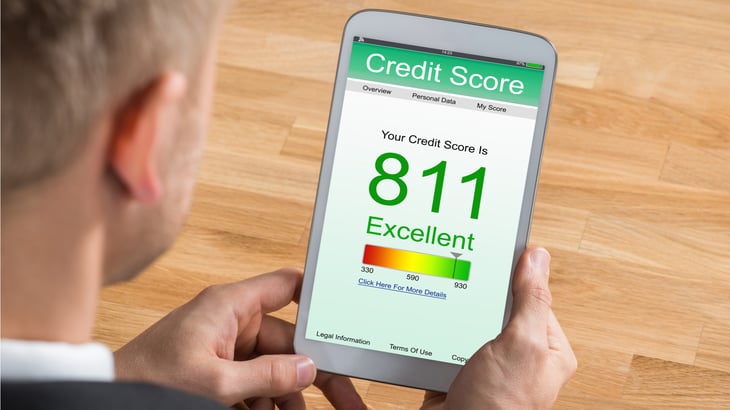
Your income isn’t a factor in determining your credit score.
Credit scoring models look at your payment history, credit utilization, length of credit history, and types of credit you use—not how much money you make.
That said, a higher income can indirectly help you maintain a good score by making it easier to pay bills on time and keep debt levels low.
Pro tip: When you spend, always pay with a top ranked cash-back card. Just make sure to pay off the balance every month.
6. Bankruptcy Permanently Ruins Your Credit
Bankruptcy is a serious financial event, but its impact on your credit is not permanent. A Chapter 7 bankruptcy stays on your credit report for 10 years, while a Chapter 13 bankruptcy remains for seven years.
During that time, you can rebuild your credit by making on-time payments, keeping your credit utilization low, and responsibly using new credit. Many people recover their scores within a few years of filing.
Pro tip: If you’re looking for part-time or work-from-home jobs, FlexJobs lets you browse and apply to verified jobs around the corner and around the world.
Take Control by Knowing the Truth

Believing myths about credit scores can hold you back financially. By understanding the facts, you can make better decisions, improve your score, and save money on loans and credit.
Don’t let misconceptions keep you from achieving financial success.

Add a Comment