



Some grocery items have steadily climbed in price over the past several months — and everyday purchases like produce, coffee, and pantry staples can take a bigger bite out of your budget than you realize.
These are items to watch, especially as broader economic changes may push prices even higher. The good news? Most have simple, affordable alternatives that won’t leave you feeling like you’re sacrificing quality.
Pro Tip: Grocery bills creeping up? Offset the extra cost with a little side income. This company's members pays over $55,000 daily to members who take quick, easy surveys in their spare time — no experience needed.
1. Organic produce that isn’t on the dirty dozen list

While organic produce can be beneficial, not all items warrant the extra cost. Smart budgeting means knowing where to spend and where to save — especially when inflation is hitting everything from groceries to gas.
Stick to organic picks from the Dirty Dozen list and buy conventional for the rest. That way, you protect your health without overspending.
And if you’re driving to the store or running regular errands, don’t overlook the cost of keeping your car in good shape.
Pro Tip: Car repair bills aren’t what they used to be and grocery runs don’t wait for breakdowns. One auto repair shop told Consumer Reports their average job rose from $1,600 a decade ago to $4,000 today. Endurance gives you access to thousands of ASE-certified repair shops and pays the bill upfront, so you’re only responsible for the deductible. Get a free quote today!
2. Gourmet coffee

Buying pre-packaged gourmet coffee beans from the grocery store can drain your wallet fast. Many brands charge a premium for convenience, but the beans aren’t always the freshest—or the best value.
Surprisingly, local coffee shops or roasters often sell beans for the same price or even less. Plus, you’ll get a fresher roast with better flavor. Shopping local can help you save while supporting small businesses.
If you’re looking for more ways to free up cash, cutting high grocery costs is just the start. Managing credit card debt smartly can also put more money back in your pocket.
Pro Tip: If you need extra breathing room with your finances — whether it’s debt relief or funding a big expense — explore personalized financial solutions here that are fast, easy, and secure.
3. Brand-name pantry staples

Items like flour, sugar, and rice often cost more when branded but offer no real advantage over generic or store-brand options.
Switch to less expensive store-brand pantry staples to stretch your grocery dollars further.
Pro Tip: Choosing store-brand staples is an easy way to cut everyday costs. For bigger financial wins, consider getting expert guidance. If you have at least $100,000 invested, SmartAsset can match you with up to three vetted financial advisors to help grow and protect your wealth.
4. Pre-cut fruits and vegetables

Convenience comes at a price. Pre-cut produce can cost up to three times more than buying whole fruits or vegetables.
You can save money by purchasing whole produce and cutting it yourself. It only takes a few minutes and keeps your food fresher for longer.
Pro Tip: Cutting your own produce is just one way to save. Want even more everyday discounts? AARP members get deals on dining, travel, prescriptions, and more—for just $15 a year with auto-renewal. Join now and save hundreds.
5. Brand-name spices

Brand-name spices are often overpriced and don’t necessarily offer better quality. Generic or store-brand options are often just as good at a fraction of the price.
Better yet, buy spices in bulk from a local market or co-op to save even more.
Pro Tip: Saving on everyday items — like buying spices in bulk — adds up. Want to boost your budget even more? FlexJobs lets you find legit part-time or remote jobs so you can earn extra cash without leaving your kitchen.
6. Bottled water

One of the easiest ways to overspend is to buy bottled water when tap water is practically free. A single gallon of bottled water can cost hundreds of times more than tap water, and those costs add up quickly over time.
Beyond the financial hit, bottled water also creates unnecessary waste. A smarter solution? Invest in reusable water bottles and home filtration systems to reduce costs and reduce plastic consumption.
Cutting unnecessary expenses like bottled water is just one way to free up more cash for essentials—including must-have costs like car insurance. If you’re looking for another way to save, your auto coverage might be an easy place to start.
Pro Tip: Save up to $600 per year on your car insurance by shopping around. This car insurance comparison site makes it easy to find a better deal and lower your monthly premiums. A few minutes of comparison could put serious money back in your pocket.
7. Bagged salad mixes
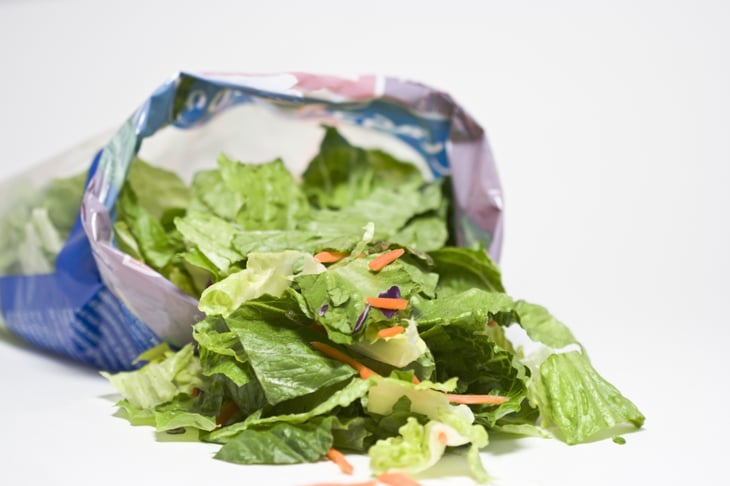
Pre-mixed salads are another pricey convenience item. You’re paying extra for someone else to wash and chop your greens.
Opt for whole lettuce heads or spinach bundles and prepare your salads at home. They’ll be fresher and more affordable.
Pro Tip: Skipping pre-mixed salads saves you money — why not put those savings to work? Start investing with just $1 using this popular app - sign up today and diversify across stocks, bonds, crypto, and more — 100% commission-free.
8. Single-serve coffee pods

Single-serve coffee pods may be convenient, but they’re also one of the most expensive ways to enjoy coffee at home. A traditional coffee maker or French press can provide the same great taste at a fraction of the cost.
Reusable pods are another option if you prefer the convenience of single servings without the extra expense.
Pro Tip: Adopt a mindset focused on long-term financial security. If you’re over 50, you may qualify for up to $10,000 in free metals through certain purchases. Get your FREE 2025 Gold Information Kit and explore how investing in physical gold can diversify your portfolio and protect your future.
9. Pre-packaged snack packs

Individually packaged snacks may be convenient, but they often cost double or triple the price of buying a full-sized version and portioning it yourself.
Purchase larger bags of snacks and use reusable containers to create your own grab-and-go options.
Pro Tip: Planning ahead doesn’t only save you money — it can protect your health too. While you’re cutting snack costs by buying in bulk, consider a preventive checkup. Book a screening today with Life Line Screening to reveal hidden risks and gain peace of mind.
10. Pre-shredded cheese

Pre-shredded cheese is convenient but significantly more expensive than buying a block of cheese and shredding it yourself.
Shredding your own cheese saves money and avoids additives like anti-caking agents.
Pro Tip: Shield your money from recession risks and long-term economic uncertainty by opening a gold IRA.
11. Frozen dinners

Frozen dinners are convenient but can be overpriced for what you get. They also tend to be less nutritious than home-cooked meals.
Meal prepping your own frozen dinners can save you money and help you eat healthier. Cook in bulk and portion meals into freezer-safe containers.
Pro Tip: Planning ahead pays off in finances too. If you have over $150,000 in savings, Zoe Financial can match you with a vetted advisor to help you make the most of your money.
12. Name-brand cleaning supplies

Cleaning products often have a massive markup for brand names. Generic or store-brand versions often contain the same active ingredients and work just as effectively.
Alternatively, make your cleaning solutions using simple ingredients like vinegar, baking soda, and lemon.
Pro Tip: Take your cost-cutting mindset a step further by reinvesting in your health security. If you have a high-deductible health plan, a Lively HSA lets you save and grow money tax-free — giving you long-term peace of mind without overspending.
Stretch your budget without sacrificing quality

Grocery shopping doesn’t have to break the bank. By avoiding these 12 overpriced items and opting for cheaper alternatives, you can save hundreds each year while still enjoying the quality you deserve.
Simple changes like buying whole produce, choosing generic brands, and making snacks can make a big difference.
With these innovative strategies, you can take control of your grocery budget and get more for your money.
Pro Tip: Stretching your grocery budget is just the beginning. Protect your bigger investments too. A home warranty from First American can cover everything from appliances to HVAC systems — saving you thousands on unexpected repairs. Take a second and see what policies cost and what they cover.

Add a Comment