


With the global consumer packaged goods market projected to grow by $1.28 trillion by 2028, brands and creators are bypassing traditional retail and selling directly to consumers. This shift is reshaping how products are bought and sold, offering cost savings and greater convenience.
Direct-to-consumer trends are changing how people shop, from high-cost prescriptions to farm-raised beef to subscription services. But just as consumers find smarter ways to buy, investors seek smarter ways to grow.
Pro Tip: Want a better investing strategy? Over 80% of new investors struggle without guidance. With EchoTrade, seamlessly copy the trades of top wealth managers.
1. Consumer goods: profit and stability

According to recent Patreon research, the direct-to-consumer portion of the creator economy is projected to grow from $194 billion to $231 billion by 2027. This represents 56% of all potential creator economy value—a massive shift in how money flows through digital commerce.
For consumers, this means more spending directly supports creators they value rather than platform middlemen. It translates to higher profit margins and more stable income streams for brands and creators alike. Consumer staples companies like TRUBAR have demonstrated this potential with a 365% increase in direct-to-consumer sales throughout 2024.
Pro Tip: How are investors positioning their portfolios to capitalize on direct-to-consumer growth? If you’ve got more than $100,000 in savings, get personalized advice on emerging investment opportunities. SmartAsset offers a free service that matches you to a vetted fiduciary advisor in less than 5 minutes.
2. Healthcare sector passes savings

Even the healthcare industry embraces the direct-to-consumer models that eliminate traditional intermediaries and pass savings to patients.
This transformation is especially evident with telehealth pioneers like TeleDoc and LifeMD, which have recently signed groundbreaking deals with Gifthealth—the pharmacy partner powering Lilly’s direct-to-consumer website, LillyDirect. Through this innovative platform, Lilly now offers significant discounts on Zepbound for cash-paying customers, bypassing traditional pharmacy benefit managers and insurance complications.
Pro Tip: Top-rated investment app offers multi-asset investing, industry-leading yields, and is trusted by millions: Zero commission, start small with just $1 and diversify across stocks, bonds, ETFs, crypto, and art using this popular app - sign up today.
3. Data-driven digital product development

The direct relationship between creators/brands and consumers generates unprecedented amounts of first-party data, leading to more targeted digital product development. This means fewer wasted resources on unwanted products and more efficient allocation of consumer dollars.
Game developers using D2C platforms like Xsolla’s Publishing Suite can reduce platform fees, passing savings to consumers while increasing their revenue. This rare win-win economic scenario benefits both sides of the transaction financially.
Pro Tip: As traditional retail faces apocalyptic disruption, smart investors are diversifying into recession-resistant assets. Protect your wealth from market volatility caused by the creator economy revolution by opening a gold IRA that can hedge against retail sector instability.
4. Sports media’s billion-dollar D2C revolution
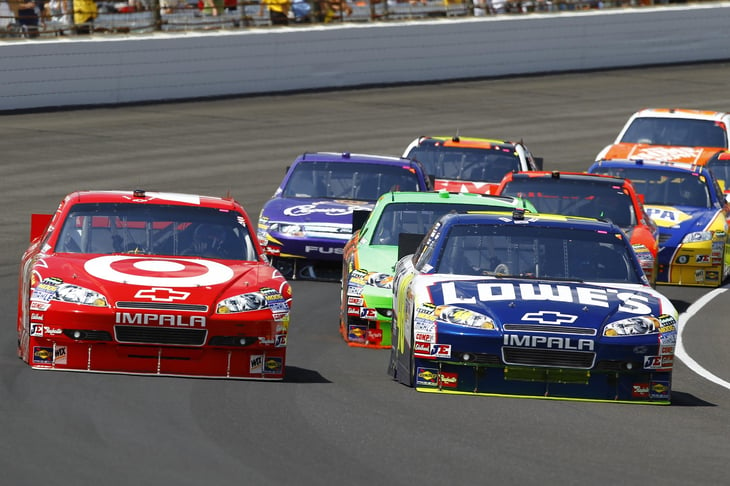
The sports industry is undergoing an unprecedented transformation as teams and leagues abandon traditional TV networks for direct-to-consumer streaming. This shift eliminates cable distributors like ESPN and TNT, allowing sports organizations to control their content, capture fan data, and keep significantly more revenue than previously went to cable distributors.
For sports consumers, this D2C sports revolution means more personalized viewing options at lower prices than cable bundles. While initial subscription costs may seem comparable, the ability to select only the sports content you want—without subsidizing channels you never watch—represents substantial savings for dedicated fans across all demographics.
Pro Tip: Start generating funds for extra investments today with a high-yield checking or savings account. For example, SoFi Checking is offering 3.8% interest, plus a potential $300 signup bonus. (May change without notice.)
5. Subscription models are the future

Patreon’s comprehensive “State of Create” survey revealed a startling reality: an overwhelming majority of content creators report unpredictable monthly income when relying on traditional platform models. The financial implications of this shift toward stability are significant: 67% more creators than five years ago now report earnings from subscription sales, and 29% more derive income from digital goods.
The rise of subscription-based D2C models isn’t just changing business revenue for creators and brands—it’s transforming how consumers budget. With predictable monthly costs for everything from content to consumer goods, households can better plan their expenses and reduce impulse purchases.
Pro Tip: As markets shift and change, gain confidence in your strategy with a financial advisor. Investors with over $150,000 can utilize Zoe Financial, a free service that matches you with advisors who understand these emerging market trends.
The economic ripple effect extends across industries and generations

The financial impact of the creator economy and D2C revolution extends far beyond retail and tech.
For consumers over 50, this shift represents a critical opportunity to access medications at substantially lower prices while enjoying the convenience of home delivery. It proves that the direct-to-consumer revolution has the potential to reach all 11 sectors across the S&P.
Pro Tip: Funnel your savings into a vacation fund, but don’t forget the insurance! Protect your travel investment as soon as you book your next trip: Here's a list of the top travel insurers.

Add a Comment