


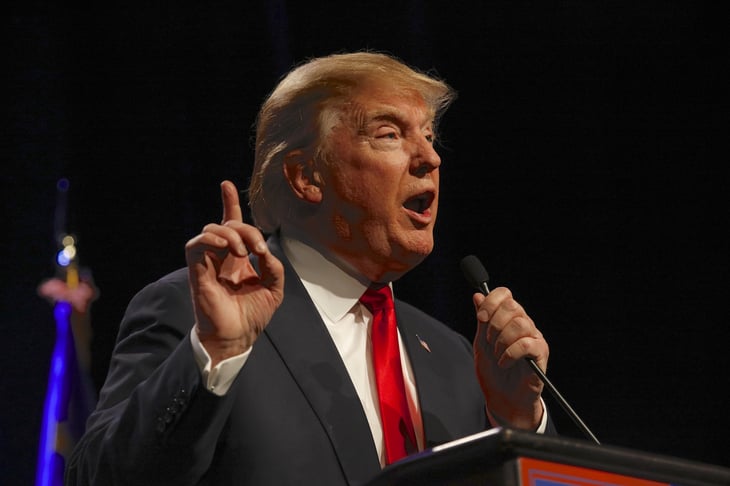
Retirement planning is never easy, but Trump’s economic policies add a new layer of complexity. From changes to Social Security to tax code adjustments, these shifts could profoundly impact your financial future.
Understanding how these policies affect retirees is crucial to staying prepared. Whether you’re nearing retirement or already there, minor adjustments to your strategy now could help safeguard your retirement years.
Here are five ways Trump’s economic agenda might influence retirement and practical steps you can take to stay on track.
1. Tax Policy Changes Could Impact Retirement Contributions
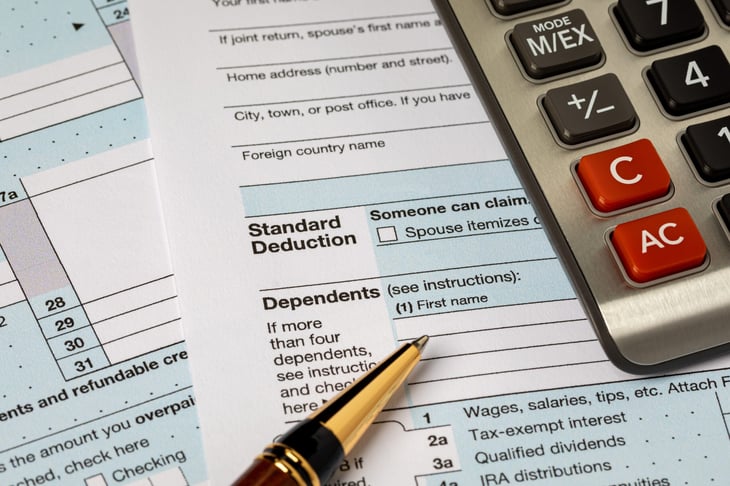
Proposed tax reforms might alter contribution limits or deductions for retirement accounts like 401(k)s and IRAs. While tax-deferred accounts may remain a staple, any tweaks to income thresholds or deduction caps could change how much you save.
Stay updated on potential changes and consider maximizing contributions now to lock in current benefits.
Pro Tip: You’ve made it. Are you about to lose it? Visit Unbiased for a FREE appointment with a vetted financial advisor.
2. Social Security Adjustments Might Affect Benefits

Social Security has long been a focal point of retirement discussions. Under Trump, potential reforms could include raising the full retirement age, altering cost-of-living adjustments, or modifying payroll taxes.
Understanding these possibilities can help you plan for a diversified retirement income strategy that doesn’t rely solely on Social Security.
Pro Tip: If you have over $150,000 in savings, consider talking to a professional financial advisor. Zoe Financial is a free service that will match you with a pro in your area.
3. Medicare Changes Could Influence Healthcare Costs
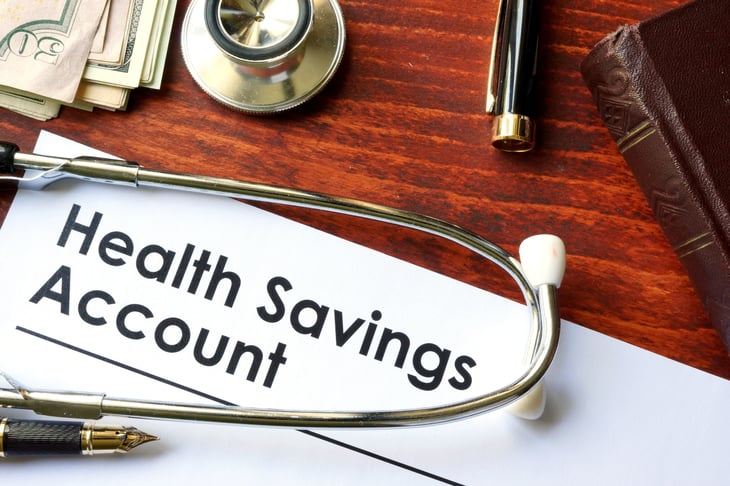
Healthcare is a critical expense in retirement, and any changes to Medicare policies could significantly impact retirees. Proposals to modify coverage options or eligibility requirements might lead to higher out-of-pocket costs.
Building a dedicated health fund or exploring supplemental insurance options can help manage these potential changes.
Pro Tip: Medicare doesn’t pay for everything. Fill in the gaps with a Medicare Supplement plan to pay what Medicare doesn’t.
4. Market Volatility May Affect Investment Portfolios

Economic policies such as tariffs or deregulation could trigger market fluctuations under Trump. Retirees and near-retirees with investment-heavy portfolios should consider rebalancing assets to reduce risk.
Diversifying across sectors and increasing exposure to stable income-generating investments like bonds can provide greater financial stability.
Pro Tip: This might be a good time to consider an investment in wine and whiskey. Vinovest can get you started with as little as $1,000.
5. New Opportunities for Private Savings and Investment

Trump’s administration may encourage private savings initiatives or expand tax advantages for personal investment accounts.
If new programs emerge, they could provide additional ways to grow your retirement funds. Monitor legislative updates to take full advantage of any opportunities.
Pro Tip: One modern way to diversify is with real estate and venture capital. Companies like Fundrise, offer investments as small as $10.
Stay Flexible to Safeguard Your Retirement

Retirement planning is about preparation and adaptability. By understanding potential policy changes and taking proactive steps, you can safeguard your financial future.
Staying flexible can keep your retirement plan on track, whether you’re maximizing contributions, diversifying investments, or planning for healthcare.

Add a Comment