


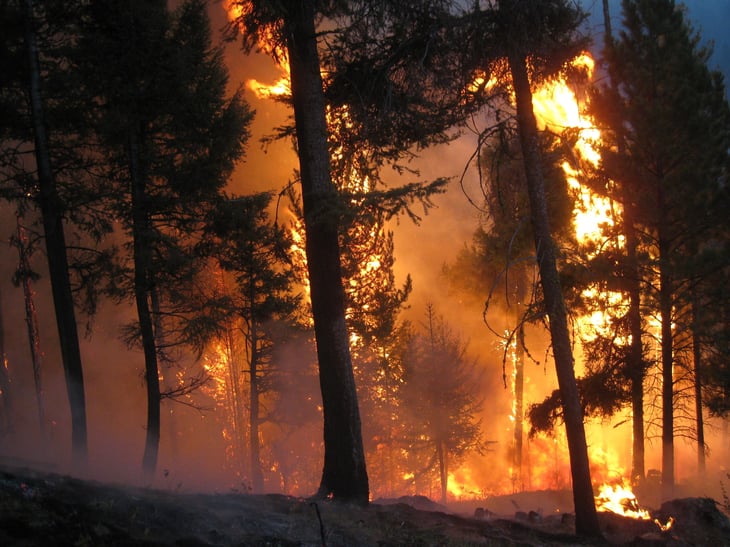
Wildfires in California may seem like a local crisis, but their impact stretches far beyond state lines. From rising insurance rates to higher grocery prices and worsening air quality, these fires affect millions of Americans nationwide.
Supply chains slow down, energy costs fluctuate, and federal disaster funds drain, impacting everything from everyday expenses to long-term policies. Here’s how California’s wildfires are sending shockwaves across the country in unexpected ways.
1. Higher insurance costs nationwide
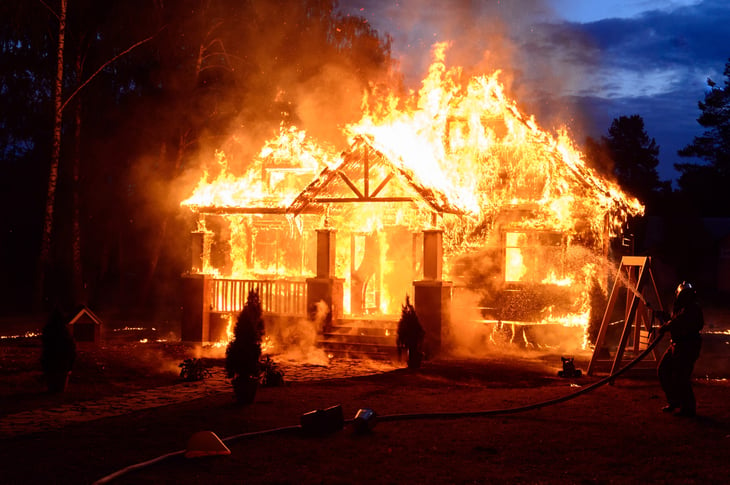
As wildfires grow more frequent and severe, insurance companies are raising rates—not just in California but across the U.S. Many insurers are pulling out of high-risk areas altogether, making coverage harder to obtain. Even homeowners in states far from the fires see increased premiums as insurers spread the financial risk.
Some homeowners are even forced to switch to state-backed insurance programs, often with higher costs and fewer coverage options.
As climate-related disasters become more common, experts predict that home insurance rates will continue to rise nationwide, making it even more important to shop around for the best policy.
Pro Tip: With rising insurance costs, finding the best rate is more important than ever. Don’t overpay compare quotes from top providers today to secure the best coverage at the lowest price before your next renewal.
2. Worsening air quality across the U.S.
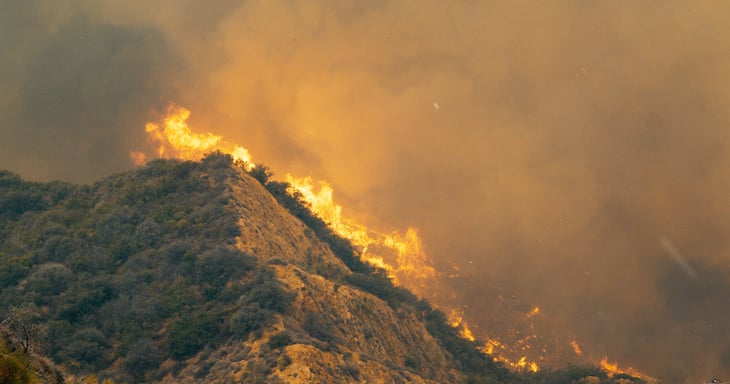
Smoke from California wildfires doesn’t stay in one place—it travels thousands of miles, affecting air quality in states across the Midwest and East Coast.
Cities such as New York and Washington, D.C., have experienced hazy skies and unhealthy air due to wildfire smoke. Long-term exposure can lead to respiratory issues, even for those far from the fires.
Poor air quality can aggravate conditions like asthma, bronchitis, and heart disease, making preventive measures essential. Wearing an N95 mask outdoors on smoky days and using air purifiers indoors can help reduce exposure to harmful particles and protect your health.
Pro Tip: Wildfire smoke can pose serious health risks, even if you live miles away. Get ahead of potential issues—book a screening today to detect hidden health risks early and protect your well-being.
3. Rising food prices

California supplies many of America’s fruits, vegetables, and nuts, but wildfires disrupt farming operations, reduce crop yields, and drive up costs.
Smoke and ash can damage produce, while drought conditions fueled by fires make irrigation more expensive. The result? Higher grocery prices for consumers across the country.
These rising costs don’t just affect fresh produce—processed foods, dairy, and even meat prices can increase due to higher feed costs for livestock. As wildfires continue to impact agricultural regions, consumers may see more frequent price spikes and shortages at grocery stores nationwide.
4. Supply chain delays
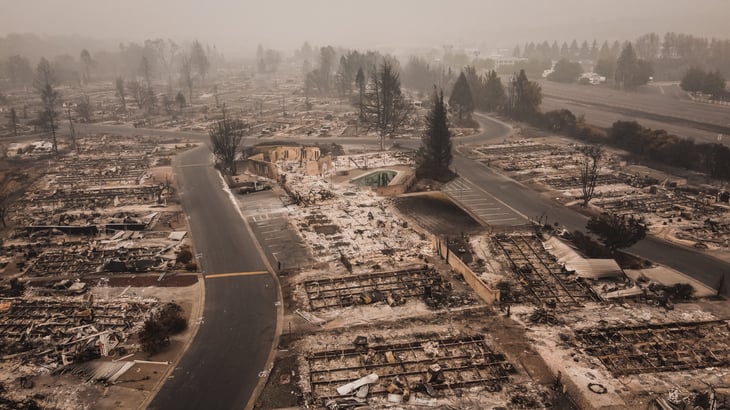
Wildfires frequently shut down highways, rail lines, and major shipping routes, delaying the movement of goods nationwide.
Trucking companies face detours, longer transit times, and increased fuel costs, all of which are passed down to businesses and consumers. These disruptions impact everything from electronics to clothing, causing shortages and higher prices.
Port closures and damaged infrastructure can further slow supply chains, creating bottlenecks lasting for weeks or even months. As a result, consumers may experience delayed shipments, reduced product availability, and unexpected price surges on everyday goods.
5. Economic strain on disaster relief funds
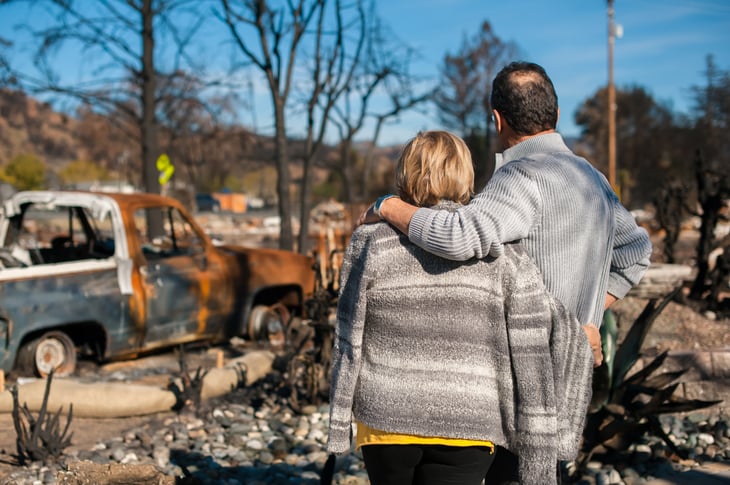
Massive wildfire recovery efforts drain federal disaster relief funds, leaving fewer resources for other emergencies like hurricanes, floods, and tornadoes.
As fire seasons worsen, more tax dollars are allocated to firefighting, rebuilding efforts, and emergency assistance—potentially reducing funds available for other disasters across the country.
This increased spending can also lead to higher insurance premiums and potential tax hikes as governments work to replenish disaster relief funds. As wildfires become more frequent and intense, balancing resources for multiple climate-related disasters will continue to be a growing challenge.
Pro Tip: With disaster relief funds stretched thin, having a strong personal emergency fund is more important than ever. SoFi Checking offers 3.8% interest and a potential $300 signup bonus—helping you grow your savings faster for unexpected events. (Offers may change without notice.)
6. Energy price volatility
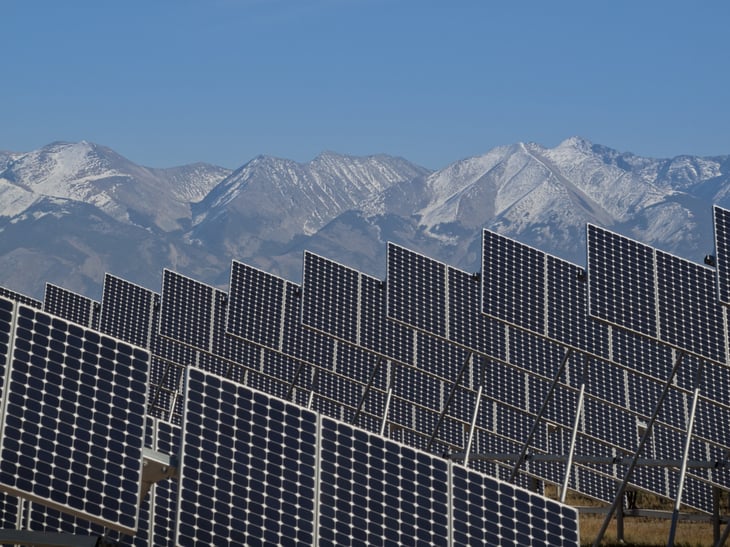
Wildfires frequently damage power lines and force utilities to implement widespread shutdowns to prevent further fires, leading to higher energy costs.
These disruptions can trigger price surges that extend beyond California, especially in states that depend on West Coast energy imports. As a result, consumers across the country may experience fluctuating electricity rates and unexpected spikes in their utility bills.
The growing demand for backup power solutions, such as generators and battery storage, also drives up costs for alternative energy sources. Additionally, as utility companies invest in wildfire prevention measures and infrastructure upgrades, those expenses are often passed down to customers, increasing overall energy costs.
7. Increased federal spending on climate initiatives
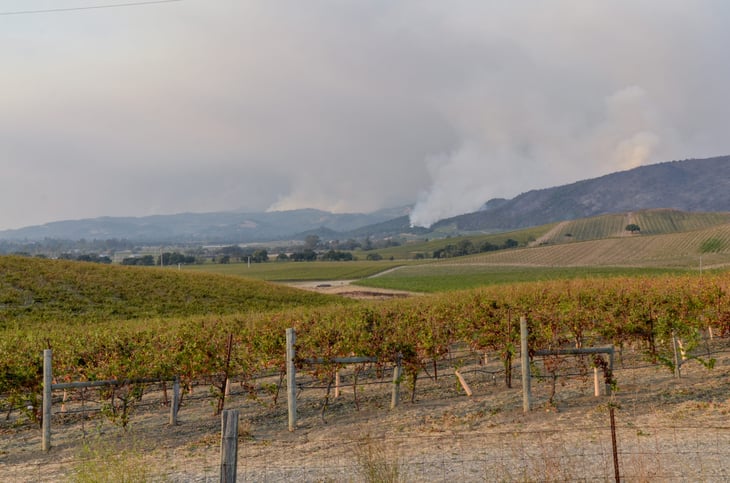
The rising frequency of wildfires has prompted greater federal investment in climate policies, forest management, and disaster preparedness.
Government spending on these initiatives impacts national budgets and can lead to policy changes affecting businesses and taxpayers alike.
Expect more funding for renewable energy, carbon reduction strategies, and wildfire mitigation. These shifts may also influence tax incentives, insurance rates, and funding for affected communities.
Wildfires affect us all

While California wildfires may seem like a regional issue, their impact is felt across the entire country. These fires create nationwide ripple effects, from rising insurance and grocery prices to supply chain disruptions and energy volatility.
As climate change fuels extreme weather, preparing for economic shifts and environmental challenges is more critical than ever.

Add a Comment