



In a world where inflation continues to impact food prices, smart shopping strategies can help stretch your grocery dollars further. Despite rising costs, these practical approaches to food shopping and preparation can help maintain your budget without sacrificing quality.
Managing your grocery budget is similar to managing your overall financial health, both require planning and smart decision-making.
1. Meal planning with purpose

Planning meals before shopping remains one of the most effective ways to control grocery spending. Create a weekly menu based on what’s already in your pantry and freezer, then build your shopping list around those gaps.
This intentional approach prevents impulse purchases and reduces food waste, a double win for your budget.
Just as smart meal planning helps you avoid financial waste, getting help with major financial decisions can prevent costly mistakes in other areas of your life. If you have over $100,000 in investments, consider talking to a professional financial advisor.
2. Strategic store selection

Not all grocery stores are created equal when it comes to pricing. Today, price comparison is easier than ever with store-specific apps that allow you to compare costs before you leave home.
Consider splitting your shopping between stores that offer the best prices on specific categories, perhaps one for produce and another for pantry staples.
This comparison shopping approach should extend to all your household expenses.
Just as you compare grocery prices, you should regularly review your insurance costs. Many people find they can save significantly by switching carriers.
3. Embrace seasonal eating

Seasonal produce continues to be more affordable than out-of-season options. Local farmers markets often offer competitive prices on in-season fruits and vegetables, and the quality tends to be superior to imported alternatives.
Adjust your meal planning to capitalize on what’s abundant and affordable each season.
Eating seasonally saves money and promotes better health with fresher, more nutritious foods. Taking care of your health through preventive measures is always a wise investment.
4. Maximize loyalty programs

Store loyalty programs have evolved significantly in recent years. Modern grocery apps now offer personalized discounts based on your shopping habits, stackable rewards, and surprise savings. Take time to understand the loyalty programs at your preferred stores and consistently use them for cumulative savings.
While maximizing grocery store rewards, don’t forget to optimize your banking rewards too.
Paying fees for basic checking or settling for minimal interest is like leaving grocery discounts on the table. Earn as much as possible on your emergency savings by shopping for the best interest rate.
5. Shop at strategic times

Many stores mark down perishable items like meat and bakery goods in the evening as they approach their sell-by dates.
These items are often perfectly good for several more days or can be frozen for later use, resulting in significant savings.
Strategic timing applies to more than just grocery shopping—it’s also important when managing your home’s value.
6. Buy in bulk selectively

Bulk buying continues to make financial sense, but only for certain items. Non-perishables and freezer-friendly foods are ideal bulk purchases when on sale.
However, be realistic about your consumption patterns to avoid waste. Splitting bulk purchases with friends or family can further maximize savings.
This selective investment approach applies to your financial portfolio as well. Diversifying your investments helps protect your savings.
7. Rediscover frozen foods

The frozen food section deserves more attention than it often gets.
Frozen fruits and vegetables are typically harvested at peak ripeness, making them nutritionally comparable to fresh options at a fraction of the cost.
They also reduce waste since you can use only what you need while keeping the rest frozen.
8. Give store brands a chance

Private label products have improved in quality while maintaining their price advantage. Today, many store brands offer organic, specialty, and premium options that rival name brands at significantly lower prices.
Try store-brand alternatives for staples like flour, sugar, and canned goods to see substantial savings.
9. Compare unit prices

Looking beyond the sticker price to the unit price (cost per ounce or per item) reveals true value.
Sometimes the larger size isn’t the better deal, especially with shrinkflation continuing to affect packaging sizes. Most stores now display unit pricing digitally or on shelf labels, making comparisons easier.
This attention to detail with pricing applies to managing all aspects of your finances, including debt.
Professional help can make a significant difference if debt is weighing you down.
10. Use cash-back grocery apps

Digital rebate and cash-back apps designed specifically for groceries continue to offer significant savings opportunities.
These apps typically work by scanning your receipt after purchase and providing rebates on specific items or categories. When combined with in-store sales and coupons, the savings can be substantial.
11. Clip digital coupons strategically

While paper coupons have largely disappeared, digital coupons continue to evolve in convenience and value.
Most grocery chains now allow you to clip digital coupons to your loyalty account with a single tap. The key is being selective and only using coupons for items already on your list.
Just as you should be strategic with grocery coupons, you should be selective about financial advice. Having an expert guide your decisions can lead to significant long-term savings.
12. Incorporate meatless meals

Plant-based proteins like beans, lentils, and tofu remain significantly less expensive than meat.
Incorporating even a few meatless meals into your weekly rotation can substantially reduce your grocery bill while potentially offering health benefits. Focus on recipes where these ingredients shine rather than trying to make direct meat substitutions.
Making dietary changes to improve both your financial and physical health is a wise decision. Regular health screenings are another smart preventive measure.
13. Learn food preservation skills

Simple preservation techniques extend the life of your groceries and reduce waste. Understanding proper storage, freezing techniques, and the difference between “best by” and “use by” dates can save hundreds of dollars annually.
Many foods remain perfectly safe and tasty well beyond their suggested dates.
14. Cook in batches

Preparing meals in batches saves both money and time. Cooking in larger quantities reduces the per-portion cost and energy usage.
Set aside a few hours each week to prepare components that can be mixed and matched for various meals, making it easier to resist the temptation of expensive takeout on busy nights.
15. Utilize community resources
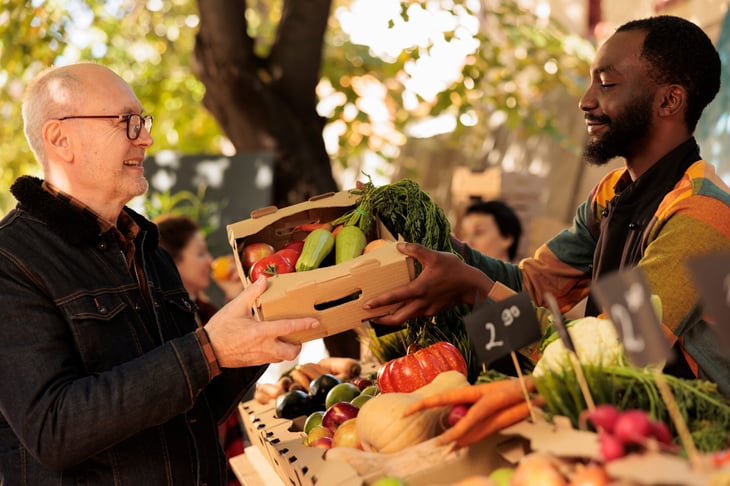
Food co-ops, community gardens, and produce sharing networks have gained popularity and accessibility.
These community-based resources often eliminate middlemen, providing high-quality food at lower costs. Some even allow you to exchange labor or skills for reduced prices, creating multiple affordable pathways.
Smart shopping for a healthier budget

Budget grocery shopping continues to be possible today with the right combination of planning, technology, and mindful consumption.
By implementing even a handful of these strategies, you can meaningfully reduce your food expenses without sacrificing quality or enjoyment.

Add a Comment