


Summer is bringing more than heat this year. It’s also bringing higher electricity bills.
According to recent forecasts from the National Energy Assistance Directors Association, households can expect to pay approximately $784 for electricity during the summer months. That’s over 6% higher than last year’s average of $737, marking a troubling 12-year high.
With temperatures climbing and energy costs following suit, finding ways to reduce your electricity consumption is good for the environment and essential for your budget.
Strategic improvements to your home’s energy efficiency can create a more comfortable living space while controlling those monthly bills.
1. Upgrade your cooling system
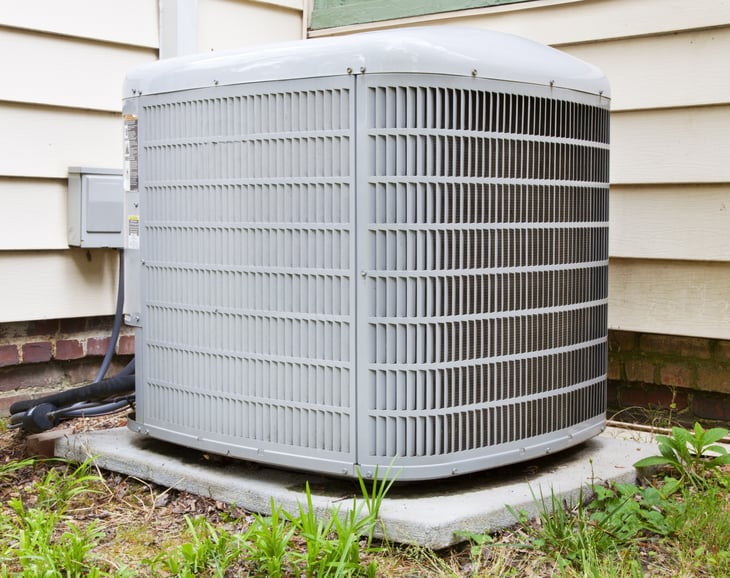
Older air conditioning units consume far more electricity than newer, energy-efficient models. If your AC system is over 10 years old, replacing it with a modern ENERGY STAR-certified unit can significantly reduce your cooling costs.
Look for units with high SEER (Seasonal Energy Efficiency Ratio) ratings: the higher the number, the more efficient the system. While the upfront cost can be substantial, many utility companies offer rebates for energy-efficient upgrades, and the long-term savings make this investment worthwhile.
Even if a full replacement isn’t in your budget, having your current system professionally serviced can improve its efficiency by ensuring filters are clean and components are functioning properly.
2. Leverage ceiling fans strategically

Ceiling fans use significantly less electricity than air conditioners, making them an excellent tool for reducing energy consumption.
When used correctly, they create a wind-chill effect that makes you feel cooler without actually lowering the room temperature. This allows you to set your thermostat 4-7 degrees higher without sacrificing comfort.
Remember to adjust your fans to rotate counterclockwise during summer, which pushes air downward and creates that cooling breeze. Just be sure to turn fans off when leaving the room. They cool people, not spaces, so running them in empty rooms wastes electricity.
3. Control solar heat with window coverings

Windows can be a major source of unwanted heat during summer months. By strategically managing your blinds, curtains, or shades, you can significantly reduce the amount of solar heat entering your home.
Close window coverings on sun-facing sides of your house during peak daylight hours, particularly between 10 AM and 4 PM when solar gain is strongest. Blackout curtains or cellular shades provide the best insulation against heat transfer.
For a longer-term solution, consider installing window films that block UV rays or adding external shade features like awnings or pergolas that prevent direct sunlight from hitting windows.
4. Time your appliance usage

Many common household appliances generate significant heat while operating. Ovens, dryers, dishwashers, and even some electronics can raise your home’s temperature, forcing your cooling system to work harder.
Shift your cooking, laundry, and dishwashing to mornings or evenings when temperatures are naturally lower. Consider using a microwave, slow cooker, or outdoor grill instead of the oven during hot days.
For laundry, wash with cold water when possible and hang clothes to dry rather than using the dryer. These simple timing adjustments can prevent your home from being heated unnecessarily during the hottest parts of the day.
5. Install smart thermostats for precision cooling

Programmable and smart thermostats offer precise control over your home’s cooling schedule, ensuring you’re not wasting electricity cooling an empty house.
These devices can automatically adjust temperatures based on your typical schedule, raising the setting when you’re away and lowering it shortly before you return.
Many smart models learn your preferences over time and can be controlled remotely via smartphone apps, allowing you to adjust if your schedule changes unexpectedly.
The Department of Energy estimates that properly using a programmable thermostat can save up to 10% annually on heating and cooling costs, a significant return on a relatively modest investment.
6. Enhance your home’s insulation
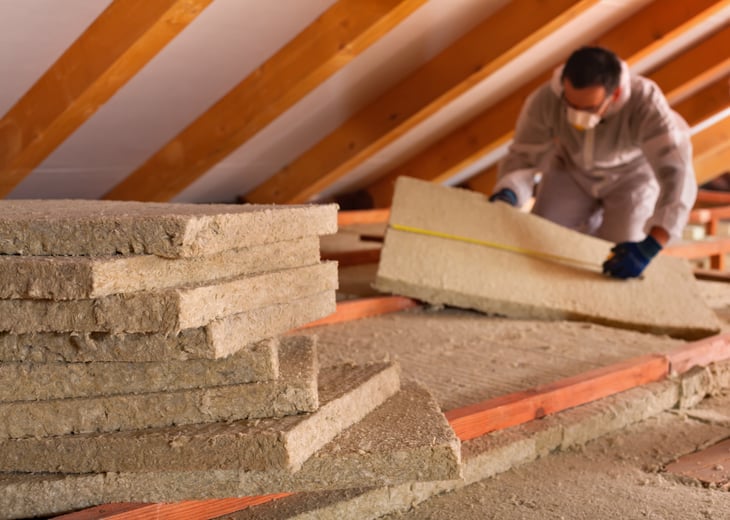
Poor insulation forces your cooling system to work constantly, driving up electricity consumption and costs. Adding or upgrading insulation, particularly in your attic where heat accumulates, can dramatically improve your home’s ability to maintain comfortable temperatures.
Seal gaps around doors, windows, and ductwork to prevent cooled air from escaping. Pay special attention to areas where utilities enter your home, as these often have unsealed gaps.
While improving insulation requires some upfront investment, it delivers year-round benefits by keeping cool air in during summer and warm air in during winter, making it one of the most cost-effective energy efficiency improvements for most homes.
Invest now for future comfort and savings

As climate patterns continue to shift toward more extreme temperatures, taking steps to improve your home’s energy efficiency isn’t just about this summer’s electricity bills. It’s about preparing for a changing environment.
Consider developing a long-term plan to gradually upgrade your cooling systems and enhance your home’s thermal envelope. Start with low-cost improvements like weatherstripping and programmable thermostats, then save for bigger investments like high-efficiency HVAC systems or additional insulation.
While these improvements require initial outlays, they typically pay for themselves through reduced energy costs.
The best part? You’ll save money and enjoy a more comfortable home environment regardless of what temperature extremes future summers might bring.

Add a Comment