


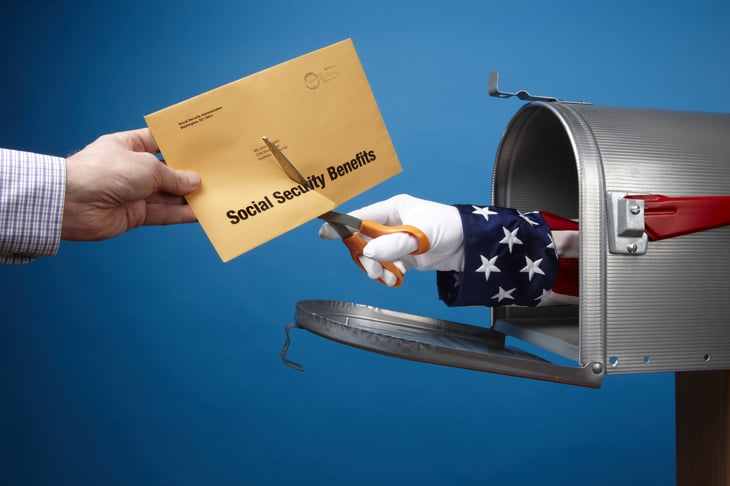
Changing leadership at the Social Security Administration has ushered in a wave of policy updates this year.
Some of these changes have been for the better, but others stand to cost Social Security recipients or the Social Security program at large.
Following are recent federal changes that collectively could hurt virtually every retired American in one way or another.
1. Some retirees now get bigger benefit payments

Thanks to a new federal law called the Social Security Fairness Act, nearly 3 million Americans — including retired teachers, police officers and federal employees — are seeing significantly larger benefit payments.
The legislation was signed into law in early January by then-President Joe Biden. It eliminates the windfall elimination provision (WEP) and government pension offset (GPO), which previously reduced checks for retirees or spouses of retirees with certain government pensions.
Although President Donald Trump is not responsible for the legislation, his administration reported that it issued more than $14.8 billion in retroactive payments to more than 2.2 million people during just the first 100 days of his term due to the Social Security Fairness Act.
While this might sound like a good thing, the new law helps a minority of Social Security recipients at the expense of the majority. Specifically, the elimination of the WEP and GPO is projected to exhaust the Social Security retirement trust funds sooner than previously expected, as we reported in “Congress Adopts Bill That Will Help Some Retirees but Cost Social Security $200 Billion.”
2. Overpayment clawbacks have increased
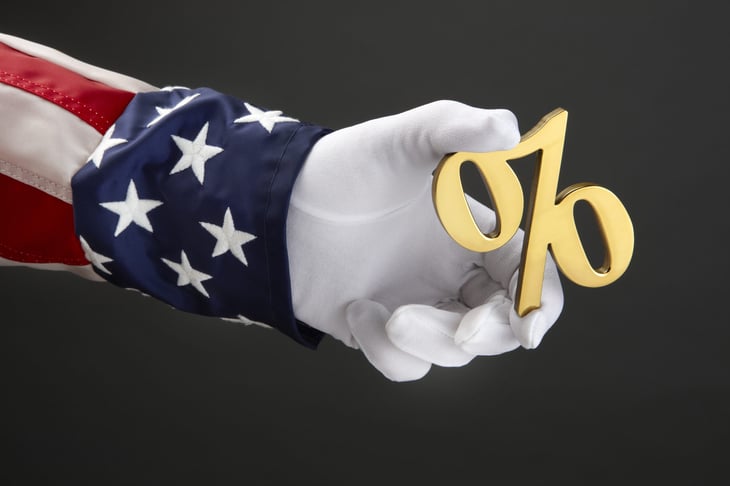
When the Social Security Administration overpays recipients, the government typically reclaims the money by withholding from future benefit payments — even if the error was on the government’s part. These withholdings are sometimes referred to as “clawbacks.”
As of August, the withholding rate for recovering overpayments is 50% — up from 10% earlier this year. Advocacy groups have warned that this increased rate could cause financial hardship for Social Security recipients who rely heavily on their benefits.

3. Student loans could reduce benefit payments

The government recently resumed collecting on defaulted federal student loans, including garnishing federal benefits like Social Security payments.
Federal law requires the U.S. Department of Education to request that the U.S. Department of the Treasury withhold money from several types of federal and state payments to people who have defaulted on federal loans. Such payments include Social Security retirement benefits and even Social Security disability benefits.
The federal government estimates that 452,000 people who have defaulted on their loans are aged 62 or older and thus likely receiving Social Security benefits.
Stay alert

Social Security is evolving. Whether you’re already collecting benefits or planning ahead, staying informed could help you avoid unnecessary financial stress.
Perhaps one of the best ways to stay on top of your current or future benefits is to create an online Social Security account, which you can do for free via the Social Security Administration’s website.
For personalized guidance on maximizing your benefits, consider sitting down with a financial advisor.

Add a Comment