


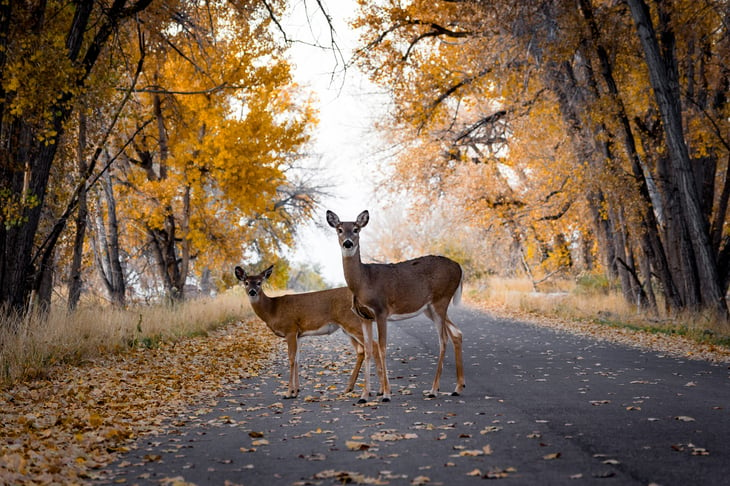
Fall has arrived, and that means drivers in some states need to be extra careful when they climb behind the wheel.
Collisions between cars and animals peak during November, followed by October and December, according to new data from State Farm. And deer top the list of animals most likely to be involved in these accidents.
Nationwide, the odds are 1 in 128 that a driver will collide with an animal of any type. You are most likely to hit a deer, followed by rodents, dogs, raccoons and coyotes.
Here are the states where you are most in danger of colliding with an animal.
1. West Virginia
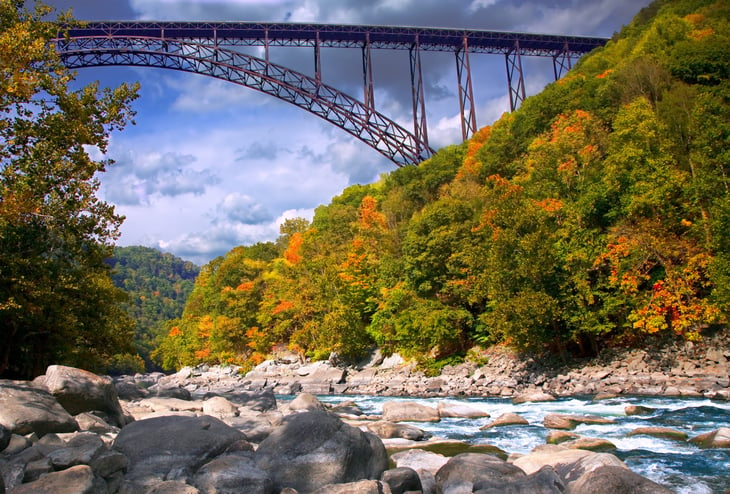
The odds of a driver hitting an animal in this state: 1 in 40 (compared with 1 in 128 nationally)
There are about 550,000 deer in West Virginia, according to the website A-Z Animals. All of them are white-tailed deer, a species that’s known scientifically as Odocoileus virginianus.
White-tailed deer have a range that extends well beyond the United States, stretching from the Arctic Circle in western Canada down to Peru and Bolivia in South America.
2. Montana
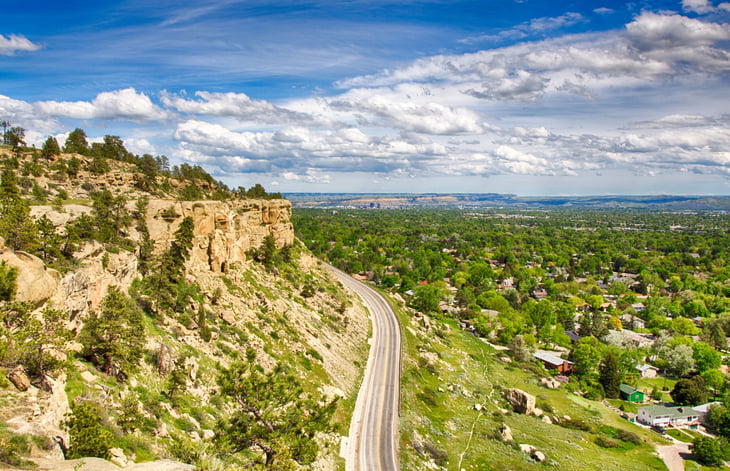
The odds of a driver hitting an animal in this state: 1 in 54 (compared with 1 in 128 nationally)
There are around 500,000 deer in Montana. Most of them are mule deer, known scientifically as Odocoileus hemionus, followed by white-tailed deer.
The range of mule deer is much smaller than that of white-tailed deer, being limited to western North America, which accounts for their presence in states like Montana and their absence in states like West Virginia. This species gets its common name of “mule deer” from its large ears.

3. Michigan
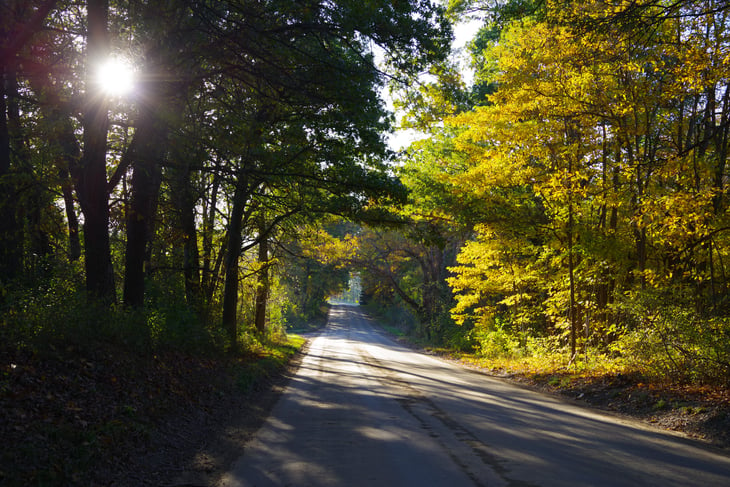
The odds of a driver hitting an animal in this state: 1 in 59 (compared with 1 in 128 nationally)
There are roughly 2 million deer in the Midwestern state of Michigan. All of them are white-tailed deer.
4. Pennsylvania
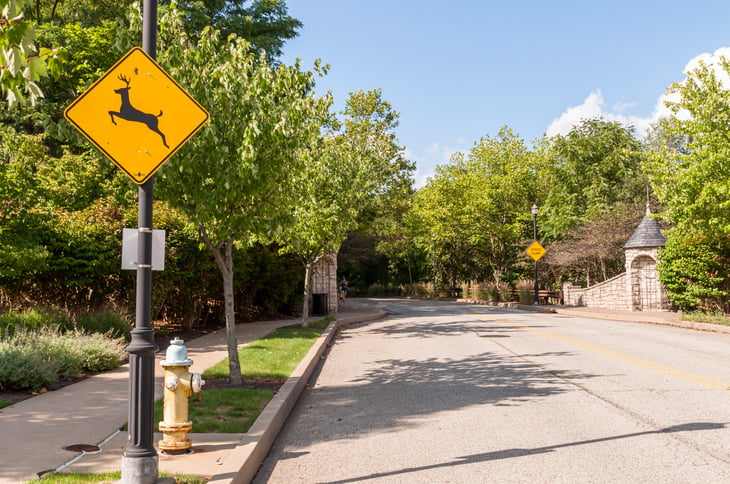
The odds of a driver hitting an animal in this state: 1 in 61 (compared with 1 in 128 nationally)
There are some 1.5 million deer in the state of Pennsylvania. All of them are white-tailed deer.
5. Wisconsin
The odds of a driver hitting an animal in this state: 1 in 63 (compared with 1 in 128 nationally)
There are roughly 1.6 million deer in the state of Wisconsin. All of them are white-tailed deer.
6. Mississippi
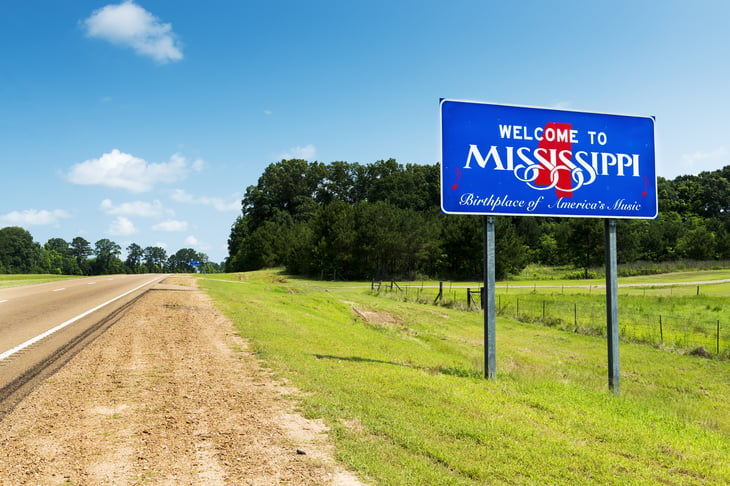
The odds of a driver hitting an animal in this state: 1 in 65 (compared with 1 in 128 nationally)
There are roughly 1.75 million deer in the state of Mississippi, according to A-Z Animals. All of them are white-tailed deer.
7. Iowa
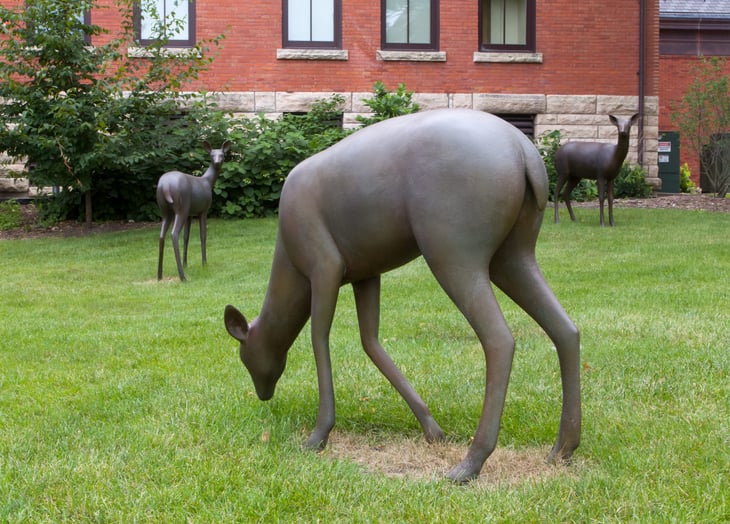
The odds of a driver hitting an animal in this state: 1 in 68 (compared with 1 in 128 nationally)
There are more than 400,000 deer in the state of Iowa. All of them are white-tailed deer.
8. South Dakota
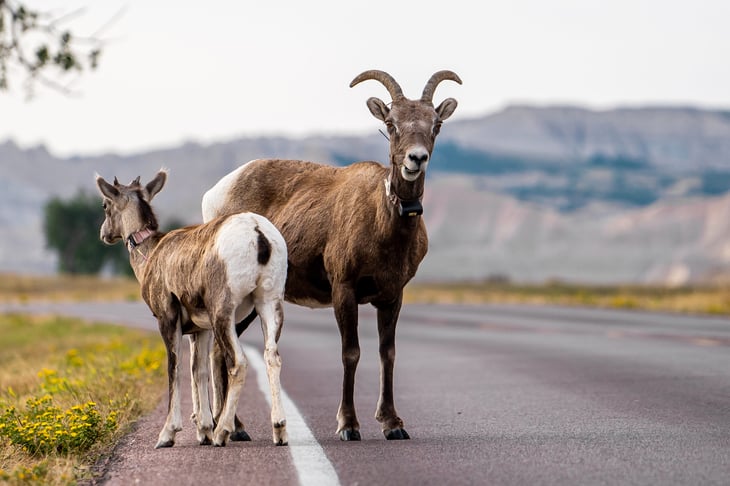
The odds of a driver hitting an animal in this state: 1 in 69 (compared with 1 in 128 nationally)
There are roughly 500,000 deer in South Dakota, according to A-Z Animals. They include white-tailed deer as well as mule deer.
In 2024, researchers discovered a new type of deer that lived in South Dakota about 32 million years ago. They found the fossilized remains of a tiny, hornless deer — estimated to have weighed just 3 to 5 pounds — in Badlands National Park. It’s now called Santuccimeryx after one of the researchers who found it: Vincent L. Santucci, a senior paleontologist with the National Park Service.
9. Virginia
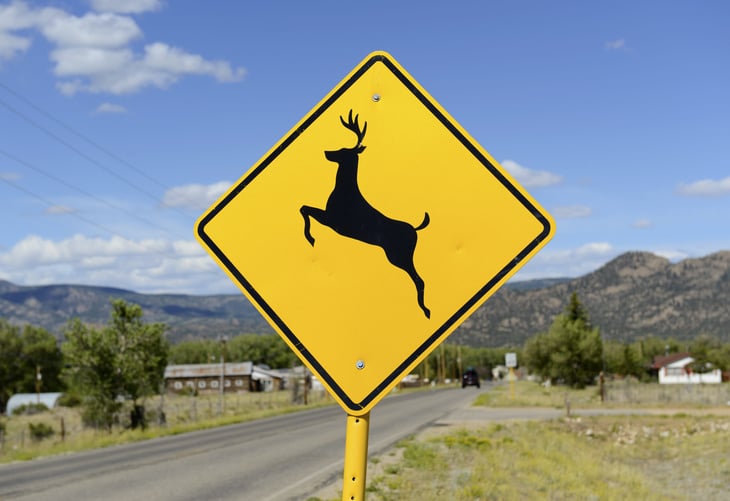
The odds of a driver hitting an animal in this state: 1 in 73 (compared with 1 in 128 nationally)
There are roughly 1 million deer in the state of Virginia. All of them are white-tailed deer.
10. Rhode Island
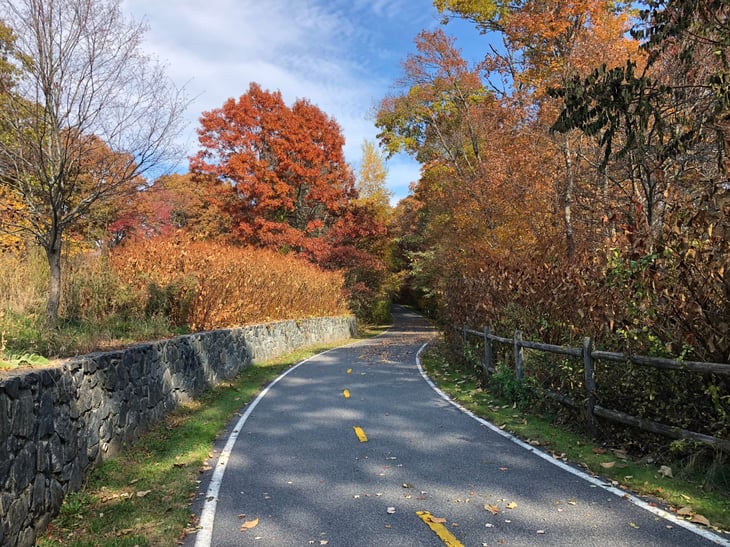
The odds of a driver hitting an animal in this state: 1 in 75 (compared with 1 in 128 nationally)
There are around 18,000 deer in the state of Rhode Island. All of them are white-tailed deer.
Other states where animal collisions are common
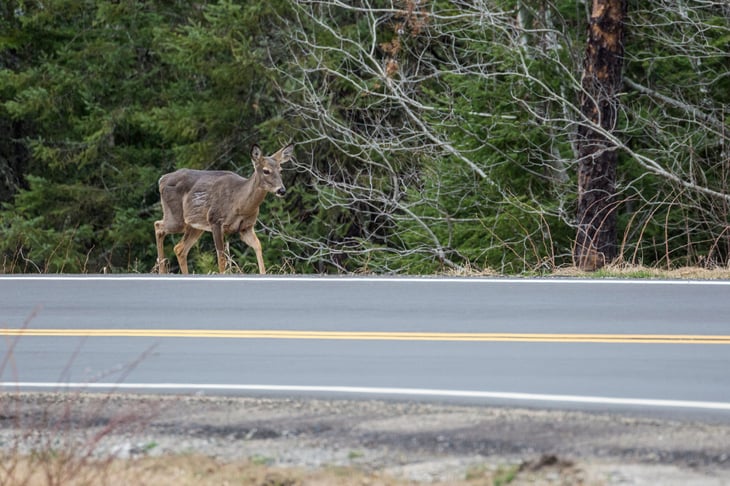
Here are the rest of the states with collision rates that easily exceed the national average, being worse than 1 in 100:
- Minnesota: 1 in 79
- North Carolina: 1 in 81
- South Carolina: 1 in 82
- Missouri: 1 in 83
- Maine: 1 in 84
- Massachusetts: 1 in 85
- North Dakota: 1 in 86
- Arkansas: 1 in 87
- Wyoming: 1 in 88
- Georgia: 1 in 91
- Alabama: 1 in 97
- Kansas: 1 in 97
- Kentucky: 1 in 98
How to avoid hitting a deer
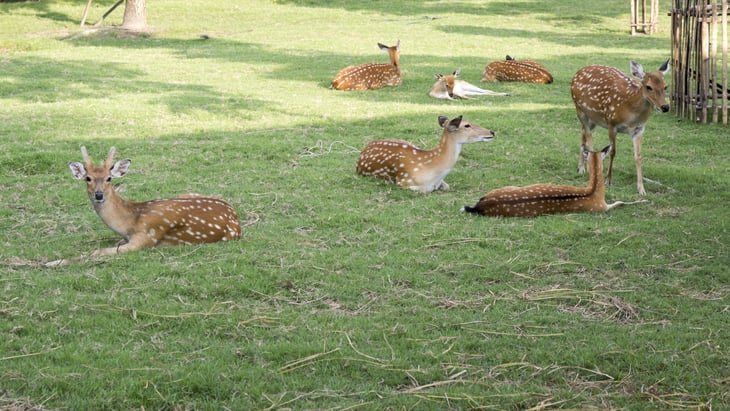
If you live in a state on this list — or any other place with a significant deer population — State Farm recommends following these tips to lower your risk of a collision:
- Always scan ahead for animals as you drive, particularly if you see signs such as “deer crossing.”
- Slow down when you see animals along the road.
- If you see one deer, you can assume others are nearby — so exercise extra caution.
- Reduce distractions, such as from a cellphone.
- Avoid swerving if a crash seems inevitable. It is better to maintain control of your car even if that means a collision.
- Flick your high beams at night: This can cause animals to flee.
The period of October through December is both hunting and mating season, and this is when a deer collision is most likely. That means drivers should be on high alert during this time.

Add a Comment