


Tax season can be overwhelming, but it doesn’t have to be.
A little preparation and attention to detail can save you from common mistakes that might delay your refund or cost you money.
Whether you’re filing on your own or with a professional, understanding these pitfalls can make your tax filing process much smoother.
Here are 10 tax blunders to watch out for—and tips on how to avoid them.
1. Missing the Filing Deadline

One of the simplest mistakes to avoid is missing the tax filing deadline. Failing to file on time can result in penalties and interest charges.
Even if you can’t pay your full tax bill, filing an extension can help avoid unnecessary fees.
Mark your calendar with the IRS deadline and file as early as possible to avoid last-minute stress.
Pro Tip: Tax debt is a burden, but there’s professional help available to fight the IRS. Check out top tax relief companies here.
2. Filing with Incorrect Information

Small errors, like a wrong Social Security number or incorrect bank account information, can delay your tax refund.
Double-check all personal details and ensure everything matches official documents before submitting your return.
Tax software with built-in error checks can help catch mistakes before they become problems.
3. Overlooking Tax Deductions

Many taxpayers miss out on eligible deductions, such as student loan interest, medical expenses, or home office costs.
Failing to claim these deductions can mean leaving money on the table.
Keep a record of all annual deductible expenses and consult IRS guidelines to ensure you’re claiming everything you qualify for.
Suggestion: Maximize your savings by working with a tax professional or using reliable tax software that identifies deductions for you.
4. Forgetting About Tax Credits

Tax credits are even more valuable than deductions because they reduce your tax bill dollar for dollar.
Credits like the Earned Income Tax Credit (EITC) or the Child Tax Credit can significantly lower your tax liability.
Research available credits and include them in your filing if you’re eligible. Tax preparation tools often have built-in guidance for claiming credits.
Try to save and invest at least 50% of your refund.
Pro tip: Earn as much as possible on your emergency savings. Click here for a list of the top savings accounts in America.
5. Not Reporting All Income
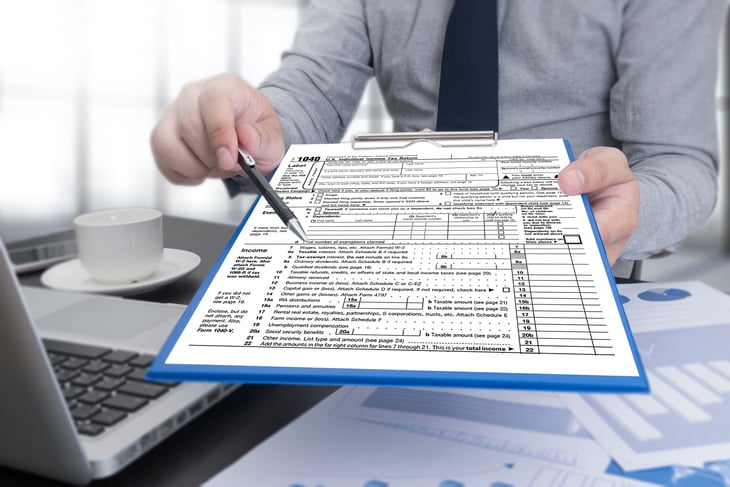
Failing to report all sources of income, such as freelance work, investments, or rental income, can lead to an audit or penalties.
The IRS receives copies of your W-2s and 1099s, so ensuring everything matches their records is essential.
If you earn money through gig work or side hustles, keep track of all income and associated expenses to report accurately.
Pro Tip: Earn up to $1000 per month doing simple tasks with FreeCash!
6. Forgetting to Adjust for Life Changes

Major life events—like getting married, having a child, or buying a home—can impact your taxes.
Failing to adjust your filing status or take advantage of new deductions can cost you money.
Review how life changes affect your taxes and ensure your withholding or estimated payments reflect these updates.
Pro Tip: If you’ve got more than $100,000 in savings, get some advice from a pro. SmartAsset offers a free service that matches you to a vetted, fiduciary advisor in less than 5 minutes.
7. Not Keeping Proper Records

Good record-keeping is essential for accurate tax filing.
Without receipts, invoices, or other documentation, you might struggle to claim deductions or prove your income and expenses during an audit.
Organize your financial records throughout the year to make tax preparation easier and reduce the risk of errors.
Digital tools can simplify this process by keeping everything in one place.
8. Ignoring Retirement Contributions

Contributions to retirement accounts like IRAs or 401(k)s prepare you for the future and provide tax benefits.
Many taxpayers miss out on opportunities to lower their taxable income by neglecting to maximize contributions.
Check the annual contribution limits and consider contributing as much as possible to reduce your tax liability while building your retirement savings.
Pro Tip: One modern way to diversify is with real estate and venture capital. Companies like Fundrise, offer investments as small as $10.
9. Paying Too Much in Taxes

Some taxpayers overpay due to insufficient planning or misunderstanding their deductions and credits.
Overwithholding on your paycheck might lead to a large refund, but it also means you’re giving the IRS an interest-free loan.
Adjust your withholdings to keep more money in your pocket throughout the year and avoid unnecessary overpayments.
10. Not E-Filing or Using Direct Deposit

Paper returns and checks take significantly longer than e-filing and direct deposit.
Opting for electronic submission ensures your return is processed faster, and direct deposit gets your refund into your account quickly and securely.
Most tax preparation software includes e-filing as part of the process, making filing online easier and avoiding delays.
Stress-Free Filing Starts with Smart Choices

Avoiding these common tax blunders can save you time, money, and frustration.
From double-checking your details to taking advantage of credits and deductions, small steps can make a big difference in how smoothly tax season goes.
Staying organized, filing early, and seeking professional help when needed are key strategies for a successful filing.
By understanding and avoiding these mistakes, you’ll be well on your way to a stress-free tax season.

Add a Comment