


It’s been well over a decade since the federal minimum wage was increased. First enacted by Congress in 1938 at 25 cents per hour, the minimum wage last received a boost in 2009, when it went from $6.55 to $7.25.
Despite calls to raise it to $15 per hour, the national minimum wage seems unlikely to change in 2026.
But while the federal minimum wage has been stagnant for more than a decade, many states have enacted their own higher minimum wage requirements. Most states have a minimum wage that is greater than the federal one, and workers in nearly half the states will see that wage increase further this year.
A handful of states either have no minimum wage of their own or have one that is below the federal level. In those places, any employer subject to the Fair Labor Standards Act — which includes public agencies, health care facilities, schools and businesses with annual gross revenues of at least $500,000 — must comply with federal minimum wage requirements.
Curious where your state stands? Keep reading to see the current minimum wage in every state and the District of Columbia, as well as whether that figure will be going up in 2026. Wage data comes from Paycor, a human resources and payroll service provider.
Washington, D.C.

2026 minimum wage: $18.40
2025 minimum wage: $17.50
2024 minimum wage: $17.00
In the District of Columbia, as in most states, an overtime premium rate applies after a worker has put in a certain number of hours, according to the U.S. Department of Labor. Here, that rate is 1.5 times the worker’s regular rate, and it kicks in after a worker has put in 40 hours per week.
Washington
2026 minimum wage: $17.13
2025 minimum wage: $16.66
2024 minimum wage: $16.28
Washington is among the states where an overtime premium rate applies after a worker has put in a certain number of hours, according to the U.S. Department of Labor. Here, that rate is 1.5 times the worker’s regular rate, and it kicks in after a worker has put in 40 hours per week.
California

2026 minimum wage: $16.90
2025 minimum wage: $16.50
2024 minimum wage: $16.00
These rates are California’s state minimum. Some cities and counties have a local minimum wage that is higher than the state rate.
Also, California is among the states where an overtime premium rate applies after a worker has put in a certain number of hours, according to the U.S. Department of Labor. Here, that rate is 1.5 times the worker’s regular rate up to 12 hours in a day and double after.
Connecticut

2026 minimum wage: $16.94
2025 minimum wage: $16.35
2024 minimum wage: $15.69
Connecticut is among the states where an overtime premium rate applies after a worker has put in a certain number of hours, according to the U.S. Department of Labor. Here, that rate is 1.5 times the worker’s regular rate, and it kicks in after a worker has put in 40 hours per week.
Additionally, in restaurants, the premium rate applies for the seventh consecutive day of work.
New Jersey

2026 minimum wage: $15.92
2025 minimum wage: $15.49
2024 minimum wage: $15.13
Only New Jersey businesses that are non-seasonal and have six or more employees need to pay $15.92 per hour in 2026. Seasonal and smaller businesses can pay as low as $15.23 per hour.
Also, New Jersey is among the states where an overtime premium rate applies after a worker has put in a certain number of hours, according to the U.S. Department of Labor. Here, that rate is 1.5 times the worker’s regular rate, and it kicks in after a worker has put in 40 hours per week.
New York

2026 minimum wage: $17.00 in New York City, Nassau County, Suffolk County and Westchester County; $16 in the rest of the state
2025 minimum wage: $16.50 in New York City, Long Island and Westchester County; $15 in the rest of the state
2024 minimum wage: $16 in New York City, Long Island and Westchester County; $15 in the rest of the state
New York is among the states where an overtime premium rate applies after a worker has put in a certain number of hours, according to the U.S. Department of Labor. Here, that rate is 1.5 times the worker’s regular rate, and it kicks in after a worker has put in 40 hours per week.
Maryland
2026 minimum wage: $15.00
2025 minimum wage: $15.00
2024 minimum wage: $15.00
Maryland is among the states where an overtime premium rate applies after a worker has put in a certain number of hours, according to the U.S. Department of Labor. Here, that rate is 1.5 times the worker’s regular rate, and it kicks in after a worker has put in 40 hours per week.
Massachusetts
2026 minimum wage: $15.00
2025 minimum wage: $15.00
2024 minimum wage: $15.00
Massachusetts is among the states where an overtime premium rate applies after a worker has put in a certain number of hours, according to the U.S. Department of Labor. Here, that rate is 1.5 times the worker’s regular rate, and it kicks in after a worker has put in 40 hours per week.
Illinois
2026 minimum wage: $15.00
2025 minimum wage: $15.00
2024 minimum wage: $14.00
Illinois is among the states where an overtime premium rate applies after a worker has put in a certain number of hours, according to the U.S. Department of Labor. Here, that rate is 1.5 times the worker’s regular rate, and it kicks in after a worker has put in 40 hours per week.
Rhode Island

2026 minimum wage: $16.00
2025 minimum wage: $15.00
2024 minimum wage: $14.00
Rhode Island is among the states where an overtime premium rate applies after a worker has put in a certain number of hours, according to the U.S. Department of Labor. Here, that rate is 1.5 times the worker’s regular rate, and it kicks in after a worker has put in 40 hours per week.
Additionally, the premium rate applies for work on Sundays and holidays in retail and certain other businesses.
Delaware

2026 minimum wage: $15.00
2025 minimum wage: $15.00
2024 minimum wage: $13.25
Colorado
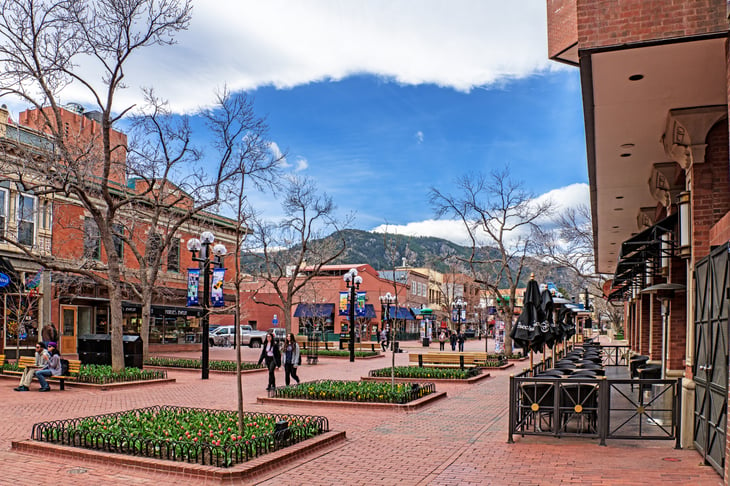
2026 minimum wage: $19.29 in Denver; $18.17 in Edgewater; $16.82 in Boulder and Boulder County; $15.16 in the rest of the state
2025 minimum wage: $18.81 in Denver; $14.81 in the rest of the state
2024 minimum wage: $18.29 in Denver; $14.42 in the rest of the state
Colorado is among the states where an overtime premium rate applies after a worker has put in a certain number of hours, according to the U.S. Department of Labor. Here, that rate is 1.5 times the worker’s regular rate, and it applies to the retail and service, commercial support service, food and beverage, and health and medical industries.
Oregon

Minimum wage for July 2026 through June 2027: $15.55 standard; $16.80 in the Portland metro; $14.55 in non-urban counties
Minimum wage for July 2025 through June 2026: $15.05 standard; $16.30 in the Portland metro; $14.05 in non-urban counties
Minimum wage for July 2024 through June 2025: $14.70 standard; $15.95 in the Portland metro; $13.70 in non-urban counties
Unlike in most other states, where minimum wage changes take effect on Jan. 1, changes to Oregon’s minimum wage now take effect in July.
Oregon is also among the states where an overtime premium rate applies after a worker has put in a certain number of hours, according to the U.S. Department of Labor. Here, that rate is 1.5 times the worker’s regular rate, and it kicks in after a worker has put in 40 hours per week.
Additionally, the premium rate applies after 10 hours per day in “nonfarm canneries, driers, or packing plants and in mills, factories or manufacturing establishments (excluding sawmills, planning mills, shingle mills, and logging camps),” the DOL notes.
Arizona

2026 minimum wage: $15.15
2025 minimum wage: $14.70
2024 minimum wage: $14.35
Maine

2026 minimum wage: $15.10
2025 minimum wage: $14.65
2024 minimum wage: $14.15
Maine is among the states where an overtime premium rate applies after a worker has put in a certain number of hours, according to the U.S. Department of Labor. Here, that rate is 1.5 times the worker’s regular rate, and it kicks in after a worker has put in 40 hours per week.
Vermont

2026 minimum wage: $14.42
2025 minimum wage: $14.01
2024 minimum wage: $13.67
Vermont is among the states where an overtime premium rate applies after a worker has put in a certain number of hours, according to the U.S. Department of Labor. Here, that rate is 1.5 times the worker’s regular rate, and it kicks in after a worker has put in 40 hours per week.
Hawaii

2026 minimum wage: $16.00
2025 minimum wage: $14.00
2024 minimum wage: $14.00
Hawaii is among the states where an overtime premium rate applies after a worker has put in a certain number of hours, according to the U.S. Department of Labor. Here, that rate is 1.5 times the worker’s regular rate, and it kicks in after a worker has put in 40 hours per week. However, employees who earn guaranteed pay of at least $4,000 per month are exempt from the overtime law.
Florida

2026 minimum wage: $14.00
2025 minimum wage: $14.00 (effective Sept. 30, 2025)
2024 minimum wage: $13.00 (effective Sept. 30, 2024)
Missouri
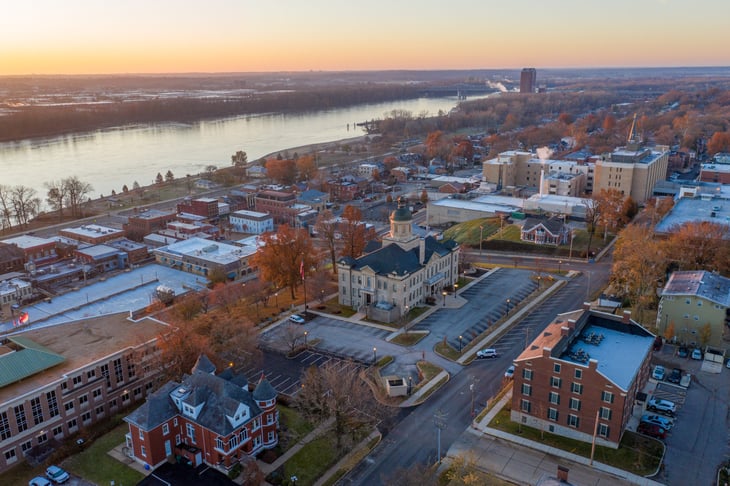
2026 minimum wage: $15.00
2025 minimum wage: $13.75
2024 minimum wage: $12.30
Missouri is among the states where an overtime premium rate applies after a worker has put in a certain number of hours, according to the U.S. Department of Labor. Here, that rate is 1.5 times the worker’s regular rate, and it kicks in after a worker has put in 40 hours per week, with certain exemptions.
Nebraska
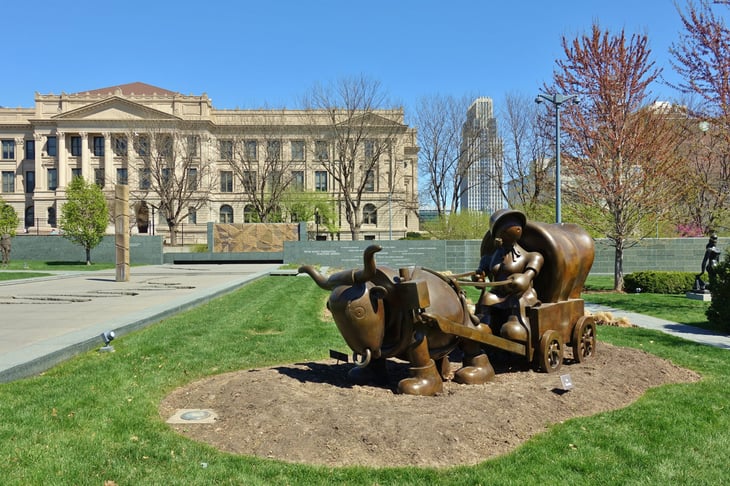
2026 minimum wage: $15.00
2025 minimum wage: $13.50
2024 minimum wage: $12.00
Alaska

2026 minimum wage: $14.00
2025 minimum wage: $13.00
2024 minimum wage: $11.73
Alaska is among the states where an overtime premium rate applies after a worker has put in a certain number of hours, according to the U.S. Department of Labor. Here, that rate is 1.5 times the worker’s regular rate. This requirement does not apply to businesses with fewer than four employees.
Virginia

2026 minimum wage: $12.77
2025 minimum wage: $12.41
2024 minimum wage: $12.00
New Mexico

2026 minimum wage: $12.00
2025 minimum wage: $12.00
2024 minimum wage: $12.00
New Mexico is among the states where an overtime premium rate applies after a worker has put in a certain number of hours, according to the U.S. Department of Labor. Here, that rate is 1.5 times the worker’s regular rate, and it kicks in after a worker has put in 40 hours per week.
Nevada

2026 minimum wage: $12.00
2025 minimum wage: $12.00
2024 minimum wage: $12.00
South Dakota
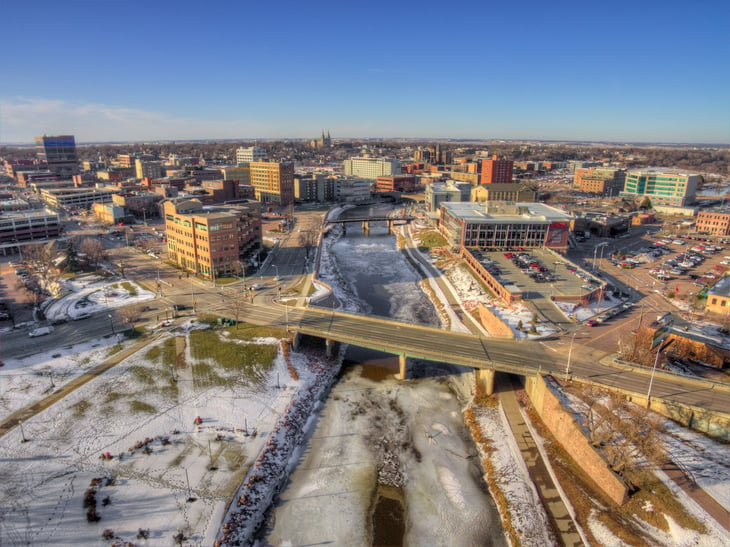
2026 minimum wage: $11.85
2025 minimum wage: $11.50
2024 minimum wage: $11.20
Minnesota
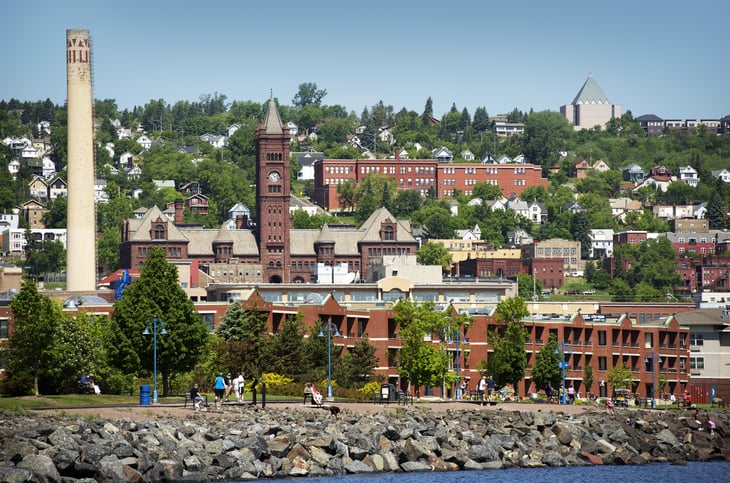
2026 minimum wage: $11.41
2025 minimum wage: $11.13
2024 minimum wage: $10.85 (large employers) and $8.85 (small employers)
Minnesota is among the states where an overtime premium rate applies after a worker has put in a certain number of hours, according to the U.S. Department of Labor. Here, that rate is 1.5 times the worker’s regular rate, and it kicks in after a worker has put in 48 hours per week.
Arkansas
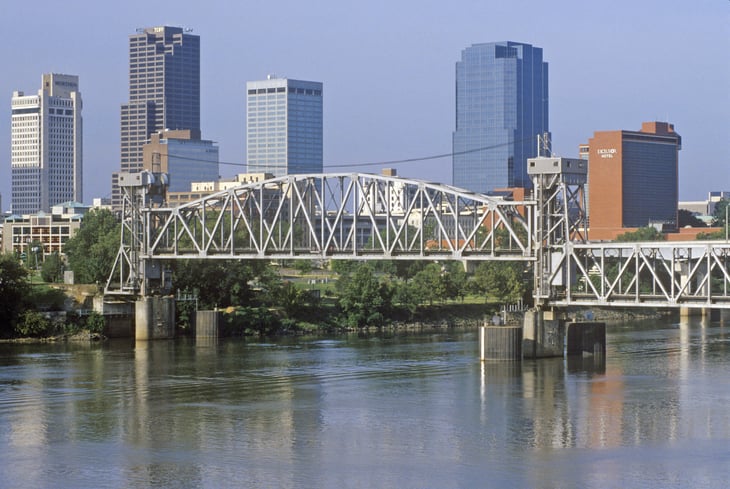
2026 minimum wage: $11.00
2025 minimum wage: $11.00
2024 minimum wage: $11.00
Arkansas is among the states where an overtime premium rate applies after a worker has put in a certain number of hours, according to the U.S. Department of Labor. Here, that rate is 1.5 times the worker’s regular rate, and it kicks in after a worker has put in 40 hours per week.
Ohio

2026 minimum wage: $11.00
2025 minimum wage: $10.70
2024 minimum wage: $10.45
Small employers that gross less than $405,000 annually can pay an hourly wage that is no less than the current federal minimum wage rate of $7.25.
Ohio is among the states where an overtime premium rate applies after a worker has put in a certain number of hours, according to the U.S. Department of Labor. Here, that rate is 1.5 times the worker’s regular rate, and it kicks in after a worker has put in 40 hours per week.
Michigan

2026 minimum wage: $13.73
2025 minimum wage: $10.56 (Jan. 1, 2025, through Feb. 20, 2025) and then $12.48 (effective Feb. 21, 2025)
2024 minimum wage: $10.33
Michigan is among the states where an overtime premium rate applies after a worker has put in a certain number of hours, according to the U.S. Department of Labor. Here, that rate is 1.5 times the worker’s regular rate, and it kicks in after a worker has put in 40 hours per week.
Montana
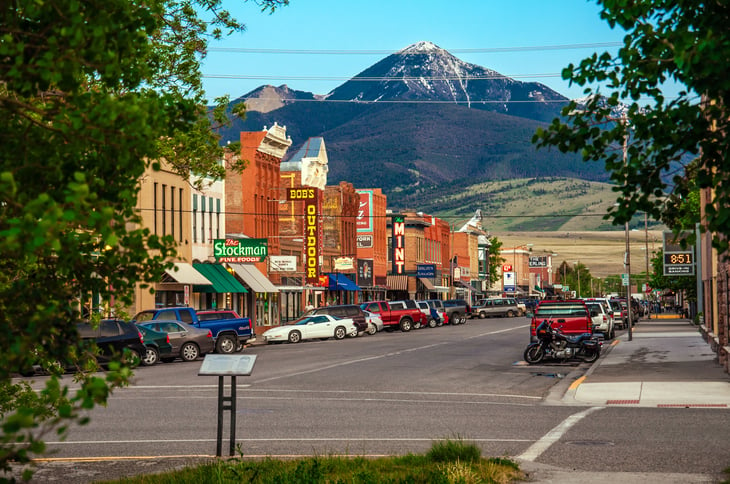
2026 minimum wage: $10.85
2025 minimum wage: $10.55
2024 minimum wage: $10.30
Small employers that gross less than $110,000 annually and are not covered by the Fair Labor Standards Act can pay as little as $4 per hour.
Montana is among the states where an overtime premium rate applies after a worker has put in a certain number of hours, according to the U.S. Department of Labor. Here, that rate is 1.5 times the worker’s regular rate, and it kicks in after a worker has put in 40 hours per week.
West Virginia
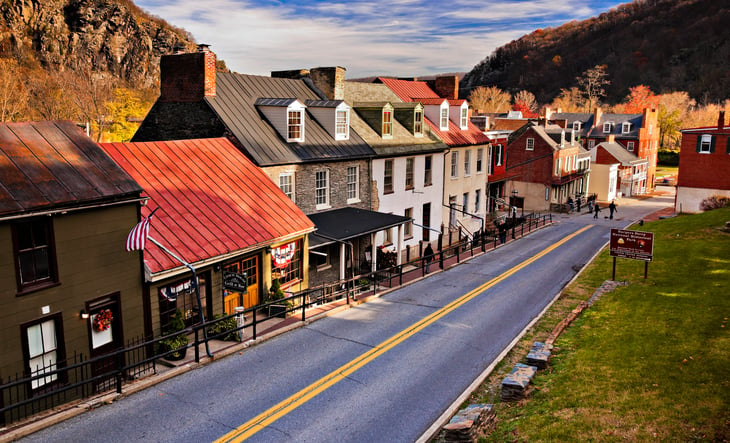
2026 minimum wage: $8.75
2025 minimum wage: $8.75
2024 minimum wage: $8.75
West Virginia is among the states where an overtime premium rate applies after a worker has put in a certain number of hours, according to the U.S. Department of Labor. Here, that rate is 1.5 times the worker’s regular rate, and it kicks in after a worker has put in 40 hours per week.
Alabama

2026 minimum wage: $7.25
2025 minimum wage: $7.25
2024 minimum wage: $7.25
Alabama is among the states that have no state minimum wage laws, according to the U.S. Department of Labor. So, employers that are subject to the federal Fair Labor Standards Act must pay the federal minimum wage, which is currently $7.25 per hour.
Idaho

2026 minimum wage: $7.25
2025 minimum wage: $7.25
2024 minimum wage: $7.25
Indiana
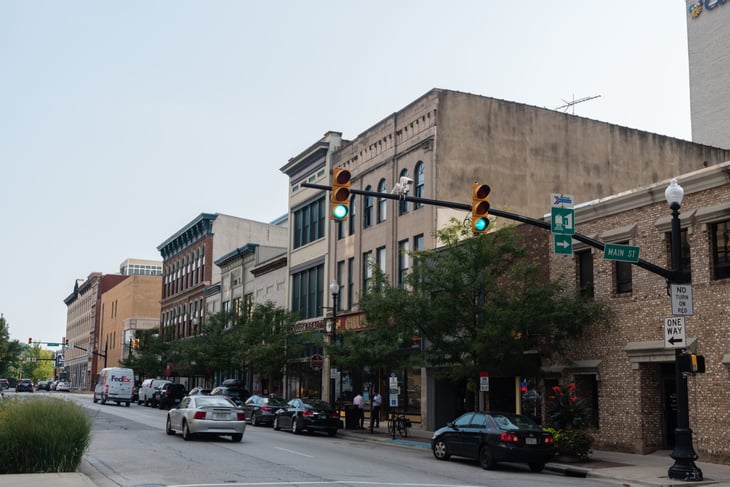
2026 minimum wage: $7.25
2025 minimum wage: $7.25
2024 minimum wage: $7.25
Indiana is among the states where an overtime premium rate applies after a worker has put in a certain number of hours, according to the U.S. Department of Labor. Here, that rate is 1.5 times the worker’s regular rate, and it kicks in after a worker has put in 40 hours per week.

Iowa
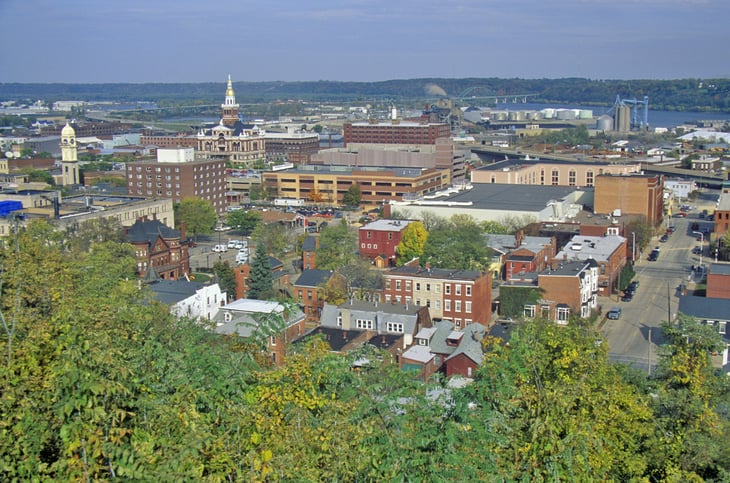
2026 minimum wage: $7.25
2025 minimum wage: $7.25
2024 minimum wage: $7.25
Kansas

2026 minimum wage: $7.25
2025 minimum wage: $7.25
2024 minimum wage: $7.25
Kentucky

2026 minimum wage: $7.25
2025 minimum wage: $7.25
2024 minimum wage: $7.25
Kentucky is among the states where an overtime premium rate applies after a worker has put in a certain number of hours, according to the U.S. Department of Labor. Here, that rate is 1.5 times the worker’s regular rate, and it kicks in after a worker has put in 40 hours per week or if a worker works a seventh consecutive day in one week.
Louisiana
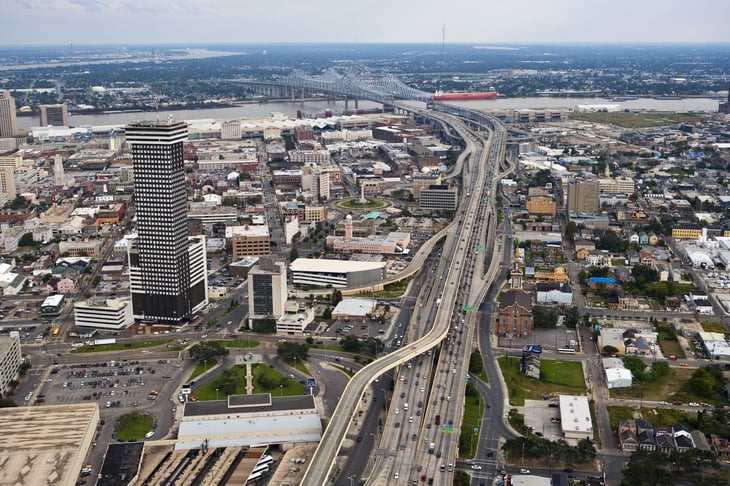
2026 minimum wage: $7.25
2025 minimum wage: $7.25
2024 minimum wage: $7.25
Louisiana is among the states that have no state minimum wage laws, according to the U.S. Department of Labor. So, employers that are subject to the federal Fair Labor Standards Act must pay the federal minimum wage, which is currently $7.25 per hour.
Mississippi
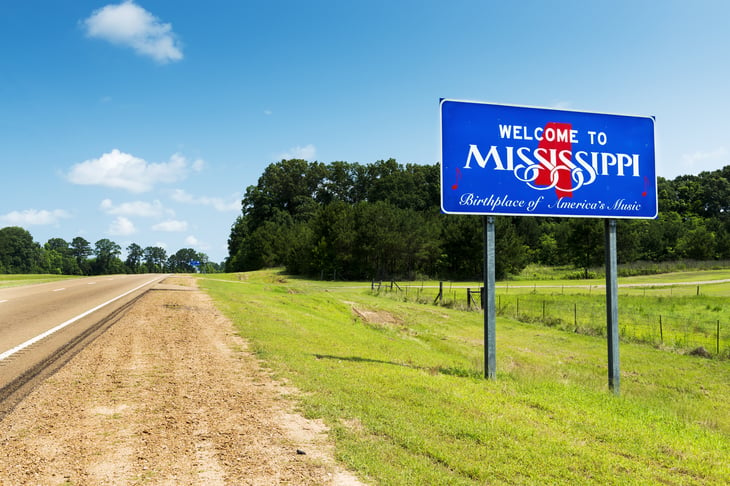
2026 minimum wage: $7.25
2025 minimum wage: $7.25
2024 minimum wage: $7.25
Mississippi is among the states that have no state minimum wage laws, according to the U.S. Department of Labor. So, employers that are subject to the federal Fair Labor Standards Act must pay the federal minimum wage, which is currently $7.25 per hour.
New Hampshire
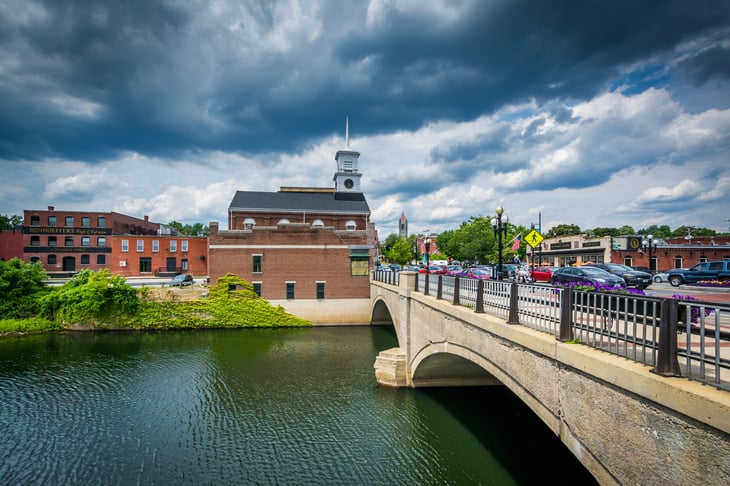
2026 minimum wage: $7.25
2025 minimum wage: $7.25
2024 minimum wage: $7.25
New Hampshire is among the states where an overtime premium rate applies after a worker has put in a certain number of hours, according to the U.S. Department of Labor. Here, that rate is 1.5 times the worker’s regular rate, and it kicks in after a worker has put in 40 hours per week.
North Carolina

2026 minimum wage: $7.25
2025 minimum wage: $7.25
2024 minimum wage: $7.25
North Carolina is among the states where an overtime premium rate applies after a worker has put in a certain number of hours, according to the U.S. Department of Labor. Here, that rate is 1.5 times the worker’s regular rate, and it usually kicks in after a worker has put in 40 hours per week (45 hours in the case of workers at seasonal amusements or recreational establishments).
North Dakota
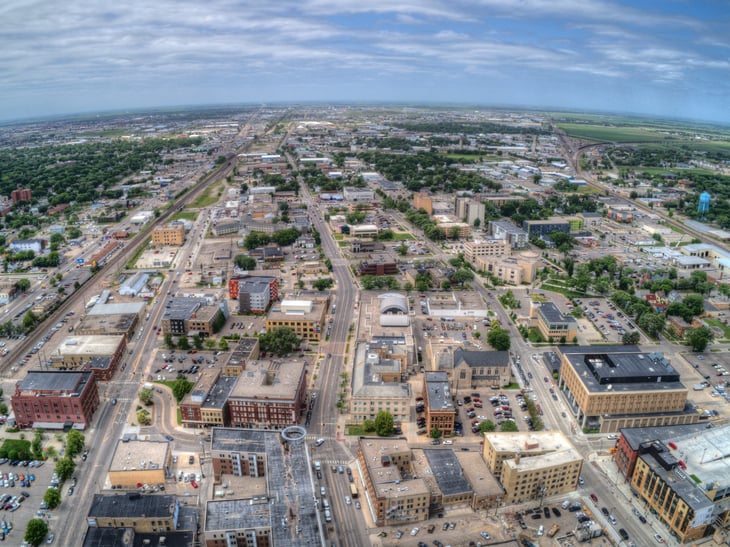
2026 minimum wage: $7.25
2025 minimum wage: $7.25
2024 minimum wage: $7.25
North Dakota is among the states where an overtime premium rate applies after a worker has put in a certain number of hours, according to the U.S. Department of Labor. Here, that rate is 1.5 times the worker’s regular rate, and it kicks in after a worker has put in 40 hours per week.
Oklahoma
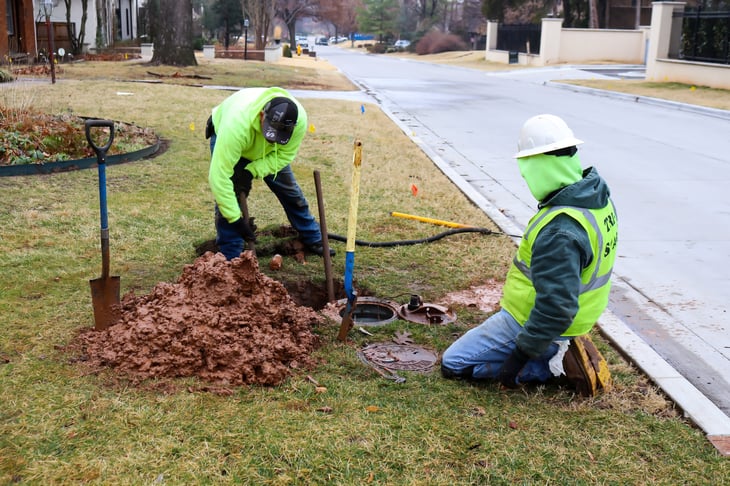
2026 minimum wage: $7.25
2025 minimum wage: $7.25
2024 minimum wage: $7.25
Pennsylvania
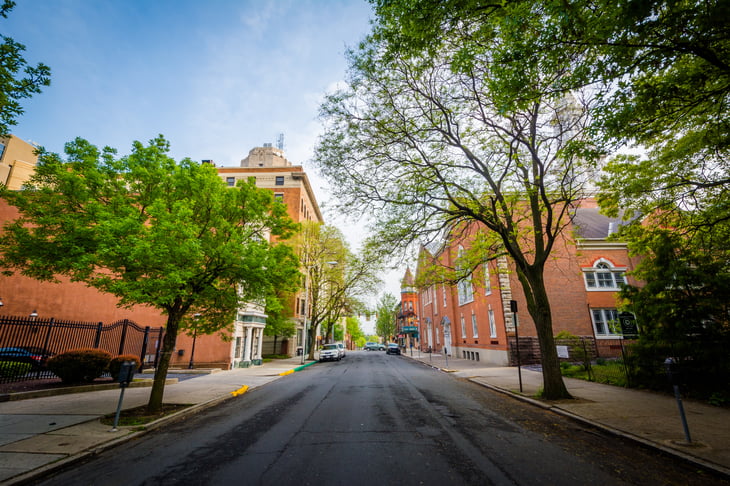
2026 minimum wage: $7.25
2025 minimum wage: $7.25
2024 minimum wage: $7.25
Pennsylvania is among the states where an overtime premium rate applies after a worker has put in a certain number of hours, according to the U.S. Department of Labor. Here, that rate is 1.5 times the worker’s regular rate, and it kicks in after a worker has put in 40 hours per week.
South Carolina
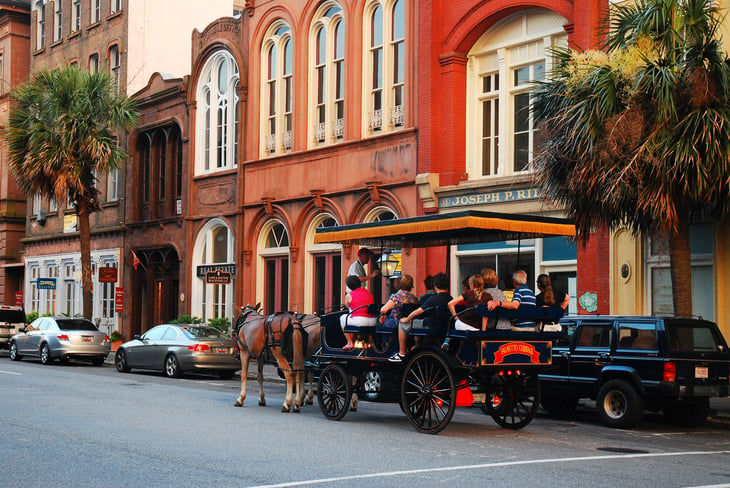
2026 minimum wage: $7.25
2025 minimum wage: $7.25
2024 minimum wage: $7.25
South Carolina is among the states that have no state minimum wage laws, according to the U.S. Department of Labor. So, employers that are subject to the federal Fair Labor Standards Act must pay the federal minimum wage, which is currently $7.25 per hour.
Tennessee

2026 minimum wage: $7.25
2025 minimum wage: $7.25
2024 minimum wage: $7.25
Tennessee is among the states that have no state minimum wage laws, according to the U.S. Department of Labor. So, employers that are subject to the federal Fair Labor Standards Act must pay the federal minimum wage, which is currently $7.25 per hour.
Texas

2026 minimum wage: $7.25
2025 minimum wage: $7.25
2024 minimum wage: $7.25
Utah
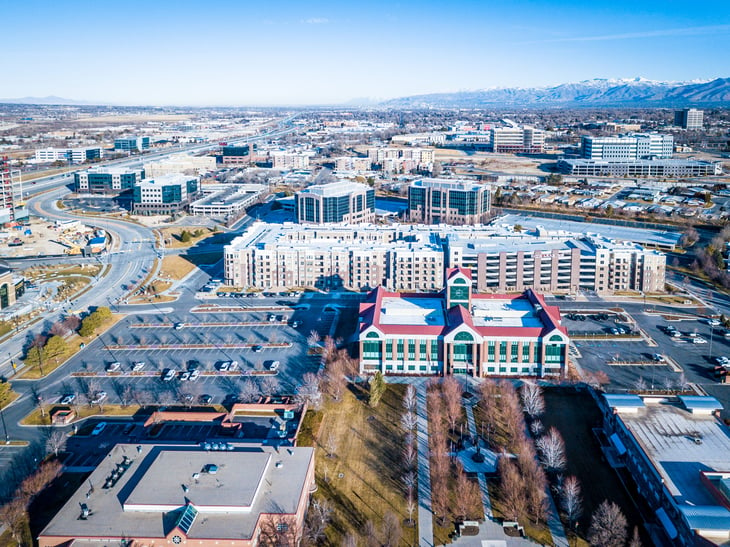
2026 minimum wage: $7.25
2025 minimum wage: $7.25
2024 minimum wage: $7.25
Wisconsin
2026 minimum wage: $7.25
2025 minimum wage: $7.25
2024 minimum wage: $7.25
Wisconsin is among the states where an overtime premium rate applies after a worker has put in a certain number of hours, according to the U.S. Department of Labor. Here, that rate is 1.5 times the worker’s regular rate, and it kicks in after a worker has put in 40 hours per week.
Georgia

2026 minimum wage: $5.15
2025 minimum wage: $5.15
2024 minimum wage: $5.15
Although Georgia’s state minimum wage is $5.15, employers who are subject to the Fair Labor Standards Act must pay the federal minimum wage of $7.25 per hour.
Wyoming
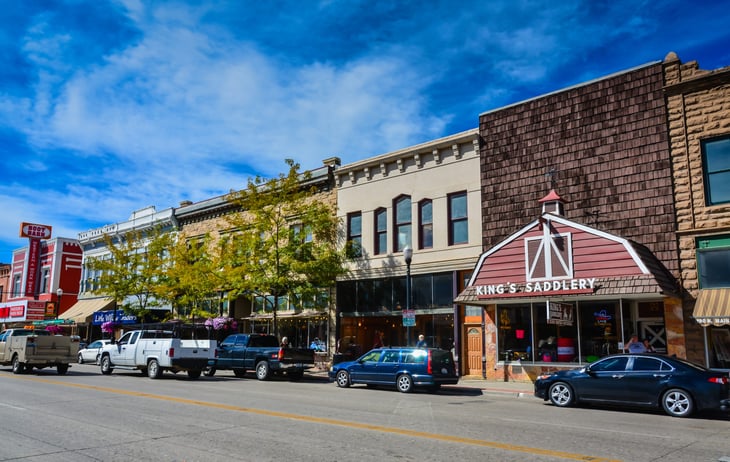
2026 minimum wage: $5.15
2025 minimum wage: $5.15
2024 minimum wage: $5.15
Although Wyoming’s state minimum wage is $5.15, employers who are subject to the Fair Labor Standards Act must pay the federal minimum wage of $7.25 per hour.

Add a Comment