


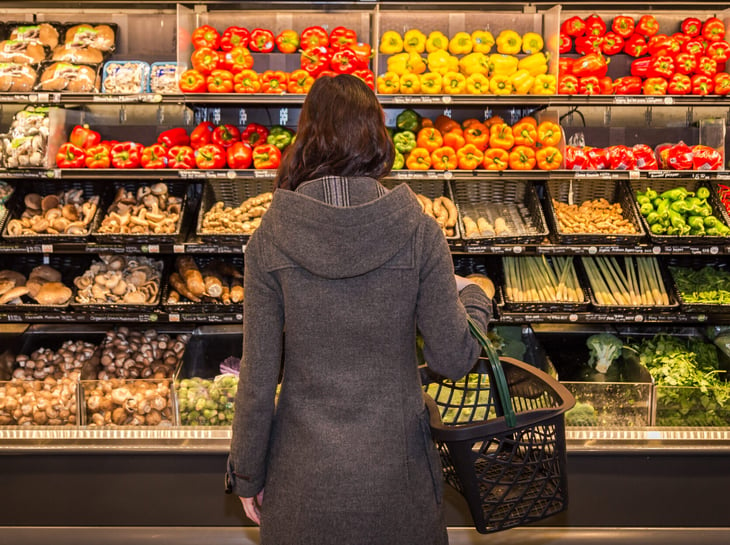
The annual inflation rate stands around 3% — down from the 21st-century peak of 9.1%, reached in June 2022. But when the inflation rate falls, it doesn’t mean prices fall.
Falling inflation simply means prices aren’t rising as fast. So, even though inflation is down relatively speaking, shoppers have grown inflation-weary over the past couple of years. Some now struggle to afford products that they used to buy regularly.
In fact, some Americans have stopped buying certain things altogether. Often, these are items that people can no longer afford. But some consumers have given up certain products in protest: They can still afford the items but refuse to pay so much more for them.
Money Talks Newsletter subscribers are financially savvy, so we reached out to our community to find out what purchases they have given up due to inflation and how they make do without.
Many Money Talks News readers weighed in on how their shopping strategies have changed. It’s clear that inflation has turned consumers away from routine purchases. Yet, many have found workarounds — and some even found they are happier without the purchases they had to give up.
So, let’s get into what American consumers like you have left on store shelves, and what they’re replacing those goods with — if anything.
1. Bread

What’s the best thing since sliced bread? How people are learning to live without it.
Money Talks News readers like Cindy J. and James C. are baking bread at home instead of buying it off the shelf. Shoppers like Lynn O. are reaching for generic brands instead of brand names, while others, like Sheila A., are simply buying less bread.
We have a few suggestions too. Check out “13 Ways To Beat the Rising Cost of Bread.”
2. Eggs
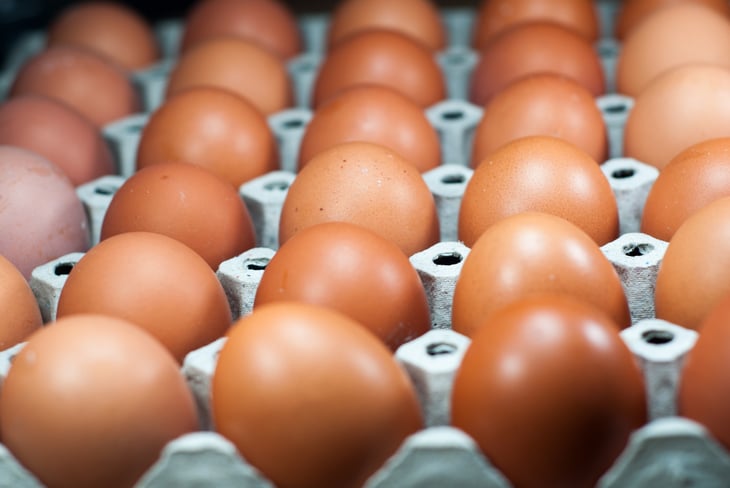
Although egg prices have come down since, they set a new inflation record earlier this year.
“Eggs have fallen off my list for the obvious inflation,” Walter tells Money Talks News. “Nice to realize I can detox myself from the programming I’ve received over the years by the egg marketing industry. Lots of other ways to get my protein.”
There are also other ways to bake the perfect treat without eggs. Many kitchen-master readers said they’ve found applesauce to be a good alternative in their baking.
Juanita W. says powdered eggs work well in most cakes and muffins — but not in choux pastry (a delicate pastry dough). Erin E. uses aquafaba, the liquid that comes in canned legumes like chickpeas, as a binder.
Those aren’t the only options, though. Check out “7 Top Egg Substitutes and How to Use Them in Recipes.”
3. Cars

The average cost of buying a new vehicle has climbed about 22% since 2019 — far outpacing overall inflation.
“[I] need a new vehicle, but the escalating cost of new and used vehicles is out of my reach,” Carol M. says.
Instead of relying on a personal vehicle, Carol now uses medical transportation provided by her insurance company and gets rides from loved ones.
Others, like Angela V., are relying on public transit to get by without a car.
Even some Money Talks News readers who still have access to a car are cutting back on gas. Brenda D. and Melanie W. are staying home more often. Walter B. is consolidating any shopping and appointments to one day a week to minimize gas spending.
“I notice I don’t have a ‘need’ to shop, and it’s an amazing feeling to know I’m OK and much more content,” Walter says.

4. Drinks
A good beverage is a treat — but one that many unfortunately had to give up due to rising costs.
- Andrew T. is living without Red Bull.
- Patrick C. stopped buying beer and is drinking soda and milk instead.
- Niki E. stopping buying Coffee Mate’s sugar-free hazelnut creamer and is opting for a store brand instead — although she is not happy about the swap.
- Sean G. stopped buying Stok iced coffee and is opting for the free coffee provided at work.
- David A. stopped buying Coke and Pepsi products and instead buys Sam’s Cola, a Walmart brand, for less than half the price.
- Gee P. gave up soft drinks altogether and drinks water or makes iced tea instead.
5. Sweets

Readers like Kimm W. and Rebecca H. have stopped buying ready-made treats like cookies, cakes and pies, and are baking from scratch instead. Other are opting for store brands over name brands, or wait for their favorite treats to go on sale before purchasing.
Maria K., for example, now only buys Breyers ice cream when it’s on sale.
“As a single older person, I have to be careful what I purchase due to not having enough money for my rent and utilities. Food is on the back burner — I try to get items that are cheaper and within my budget,” Maria says.
Readers like Sharon A. gave up pies entirely. Others may not have budgets as tight, but they still won’t let rising costs eat into their hard-earned money.
Jan S. tells Money Talks News, “I can afford anything they sell, but refuse to pay exorbitant prices because I’m furious. Can and will do without. I’m a big gardener, canner, grow herbs, etc. I’m not a ‘foodie’ — that helps. Actually, I’m eating and feeling better.”
6. Clothing and shoes
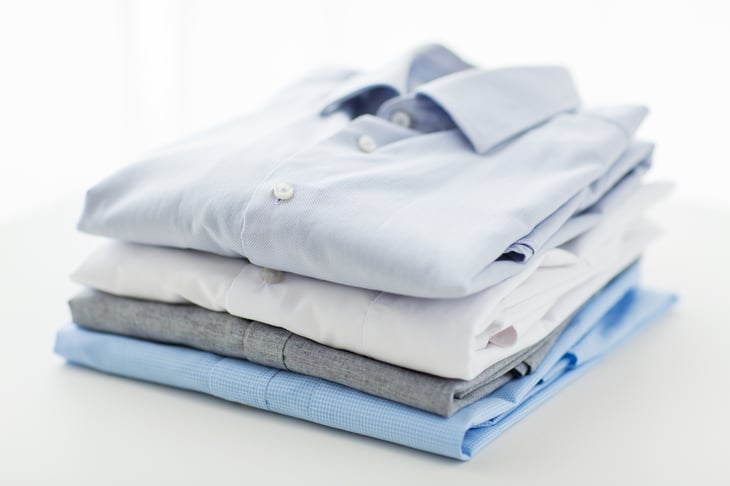
Some survey respondents are avoiding new clothing or shoe purchases as prices continue to rise, making due with what they have until it wears out.
“I am focusing on essentials and don’t worry about the things I can’t afford right now,” Debbie R. says.
Crystal M. is making swaps when it’s time to buy new items, like opting for Wranglers instead of Levi’s. And Colin B. goes to the thrift store when in need of a new suit.
If you’re also shopping secondhand, check out “11 Pro Tips for Finding Quality Clothing at Thrift Shops.”
7. Red meat

Red meat is among the purchases that the most Money Talks News readers report now living without.
Some readers swapped out red meat for poultry, pork or fish. Others were accustomed to steaks and certain cuts of beef, but are instead buying ground beef.
“Beef has become absolutely non-affordable for particular shoppers,” says Betty L. says, who no longer buys beef patties.
Readers like Karin D. get by with less meat, but not without struggle.
“Our eating habits have drastically changed. What once was a weekly grocery bill of $150 has gone up to $250 with less items. Can’t do that on a salary less than $50k a year. And we don’t qualify for any assistance,” Karin says. “Hard to adjust to less meat with a family of six. Making less healthy foods than what I like to make the meals feed everyone. More casseroles, pasta, rice, beans dishes.”
A swap with some popularity is vegan and plant-based protein.
“I am eating more plant-based meals and tofu for protein, and if meat is included, it is a much smaller amount than before. This is now a habit and feels good, so I will never return to my previous meat consumption level,” Kris M. says.
8. Restaurant food

Readers like Terri T. have stopped dining out altogether. Instead, Terri makes all meals at home and packs a cooler when traveling to avoid having to stop and buy food.
Gloria N. no longer goes out to eat for dinner.
Jerry R. will go out to eat only when special discounts are available, like going to KFC on Tuesdays, when a bucket of wings costs $10.
9. Fresh produce
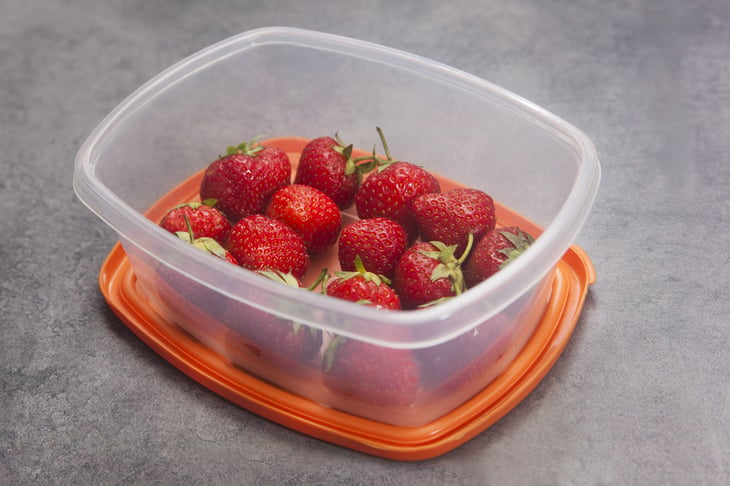
Several Money Talks News readers have stopped buying at least certain fresh fruits and vegetables.
Marc R. simply refuses to pay “outlandish” prices for fresh blueberries.
Others, like Vickie P. and Jo A., are buying frozen produce instead of fresh.
Cindy J. is now growing a garden.
10. Name brands

Sales of store-brand products went up by 20.7% between 2019 and 2023, according to the Private Label Manufacturers Association, which called the increase a “record success.”
Many Money Talks News readers agree, it seems.
Deb K. is skipping the big brands and going to the dollar store for items like vinegar and baking soda.
Jane F. is dropping brands like Hellmann’s and Clover Leaf in lieu of store brands like Walmart’s Our Finest.
Juanita W. now buys store brands exclusively — in addition to going to the store less often and opting for delivery to avoid making impulse purchases.
To learn more about generic brands MTN readers reach for, check out “10 Store-Brand Products We Buy Over and Over Again.”
11. A bit of everything else

While grocery items were by far the most common type of purchase that Money Talks News readers have stopped making, survey responses included a little bit of everything.
- Chris C. won’t buy anything that isn’t completely essential, explaining, “Basically sucking it up and relearning to do without for the time being.”
- Pamela R. is swapping salmon for alternatives like imitation crab, but changing shopping habits has not been easy. “It’s very difficult to maintain the lifestyle that I worked over 45 years to attain. With the cost of everything going up, I am considering a part-time job while assisting taking care of my 82-year-old mother,” Pamela says.
- Donna B. is letting go of salon-quality hair and makeup products, opting for drugstore brands and just generally buying fewer products. Donna tells MTN, “It’s impossible to keep up with daily living expenses. My salary has gone down and I am a homeowner that lives alone. My heating bill sent me over the edge this winter.”
- Nile D. swapped out an expensive skin care product. “I haven’t really noticed a difference, except that I think some of the lesser-priced products work just as well,” Nile says.
- Brenda D. let go of nonessentials like bathroom spray. “I’m 80, widowed and now afraid. I no longer leave my house except for groceries about every 10 days. When I shop (Walmart) I go early in the morning … I’m lucky because I like being a very happy hermit. I have lots to keep me busy at home with my two 16-year-old teacup Yorkies,” Brenda says.
Want to give your input in a future survey? Get notified by subscribing to the Money Talks Newsletter.


Add a Comment