



Environmental protection efforts across America face significant changes as Trump reshapes priorities for pollution control and toxic site remediation. From air quality monitoring to Superfund cleanups, regulatory shifts may dramatically affect air quality and water pollutants across America.
Understanding these changes is essential for residents concerned about local environmental conditions, property values, and health impacts. Here’s what you need to know about the evolving landscape of environmental protection in America.
1. Shifting enforcement from federal to state agencies

The Trump administration is expected to delegate more environmental enforcement responsibilities to state agencies, potentially creating a patchwork of protection levels across the country. This approach mirrors policies from Trump’s first term when EPA staff were instructed to defer to states on enforcement matters.
The challenge is that many state environmental departments lack adequate resources to handle complex pollution cases. For communities near toxic sites, this shift may mean longer waits for investigation and remediation, particularly in states where environmental budgets are already stretched thin.
Pro Tip: Early detection is key to safeguarding your health. Book a screening today to stay proactive and gain peace of mind.
2. Regulatory freezes affecting air monitoring programs

Recent federal grant freezes threaten to delay or cancel critical air monitoring programs in pollution hotspots across the country. Communities in places like Pascagoula, Mississippi and Verona, Missouri have waited years for proper monitoring equipment to identify dangerous emissions from nearby industrial facilities.
The Mississippi Department of Environmental Quality had secured a $625,000 grant to install air monitors that could finally determine the source and scale of pollution affecting local residents. While the state reports this project remains on track despite the freeze, similar projects nationwide face uncertainty, especially in areas with a disproportionate number of minority communities.
These monitoring programs are especially critical for identifying carcinogens like ethylene oxide, benzene, and nickel that can spread beyond industrial boundaries and affect residential areas. Without proper monitoring, invisible threats may go undetected for years.
3. Potential rollback of cancer-fighting regulations
Recently implemented EPA rules targeting dangerous carcinogens like ethylene oxide may be at risk of reversal or delayed enforcement. Last year, the EPA adopted stricter regulations requiring facilities nationwide to conduct air monitoring for ethylene oxide and add equipment reducing emissions by 90%.
This rule, which promised relief for communities like Laredo, Texas, where elevated cancer risks affect nearly 130,000 residents, now faces an uncertain future. The attorney reportedly nominated to lead Trump’s EPA air pollution efforts previously represented industrial groups using ethylene oxide to sterilize medical equipment.
For families living near these facilities, regulatory rollbacks could mean continued exposure to cancer-causing chemicals at levels far above what health experts consider safe. Financial planning for potential healthcare costs becomes increasingly important for residents in these areas.
Pro Tip: Ensure your family’s future is secure, no matter what comes next. Where there's a will, there's a way to protect your loved ones with smart planning.
4. Growing backlog of superfund cleanups
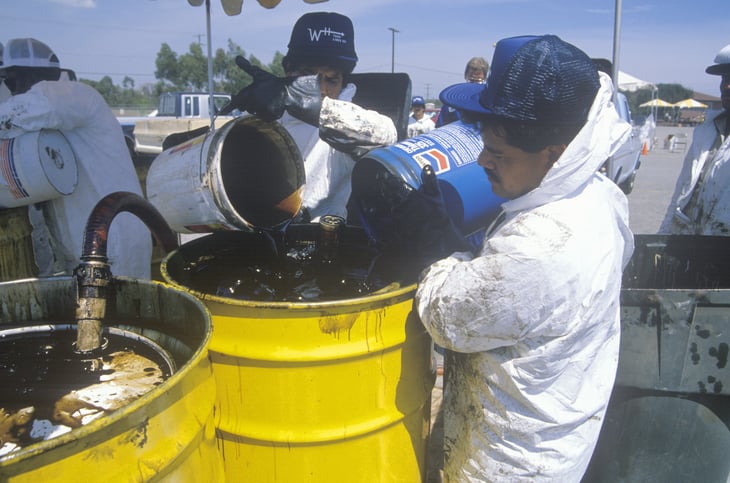
America currently has 1,341 Superfund sites awaiting cleanup, with experts projecting this backlog may grow significantly under new policies. During Trump’s previous administration, the number of stalled cleanups increased despite declarations that the program was a priority.
The Exide Technologies case in Los Angeles exemplifies these challenges. Despite California investing over $770 million to clean properties contaminated with lead and trichloroethylene (TCE), residents still await Superfund designation that would unlock federal resources for comprehensive remediation.
Environmental justice advocates worry that predominantly low-income areas and communities of color, who disproportionately live near these toxic sites, will face even longer waits for cleanup as designation criteria may become more restrictive and funding diminishes.
5. Fence-line monitoring requirements at risk

A crucial EPA rule requiring industrial facilities to install air monitors along their perimeters may not be fully implemented as scheduled. This rule would affect over 100 facilities, including chemical plants like Westlake Vinyls in Kentucky and refineries in Pascagoula, Mississippi.
The fence-line monitoring requirement, set to take effect next year, would measure up to six toxic gases and make the data publicly available online. Previous similar requirements for oil refineries successfully reduced benzene emissions, demonstrating the effectiveness of transparent monitoring.
Without these monitoring systems, communities may remain in the dark about what chemicals are crossing from industrial properties into residential areas. Property investors should consider environmental monitoring availability when evaluating locations for long-term investment.
6. “Polluter pays” tax status uncertainty
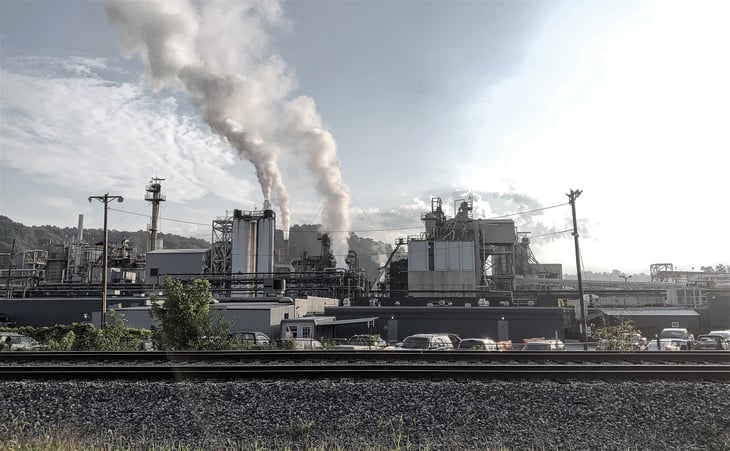
The “polluter pays” taxes that fund Superfund cleanups, reinstated under the Biden administration through the Bipartisan Infrastructure Law, now face potential repeal. These taxes impose fees on polluting companies to finance environmental remediation projects.
Without this dedicated funding stream, the financial burden for cleanups may shift more heavily to taxpayers or result in further cleanup delays. States like California that have invested hundreds of millions in remediation projects may find themselves unable to complete cleanups without federal partnership.
Financial experts recommend residents investigate their state’s environmental protection funding capabilities when making property investments, particularly in regions with known contamination issues or industrial corridors where new contamination risks exist. Consider alternative investment options if you are unsure of the industrial environment.
Pro Tip: Looking for a smart way to safeguard your wealth? Diversify with precious metals and take advantage of opportunities to receive up to $10,000 in free metals with qualified purchases. If you’re over 50, now is the perfect time to get your FREE 2025 Gold Information Kit and secure your financial future with physical gold!
7. Staffing reductions impacting investigation timelines
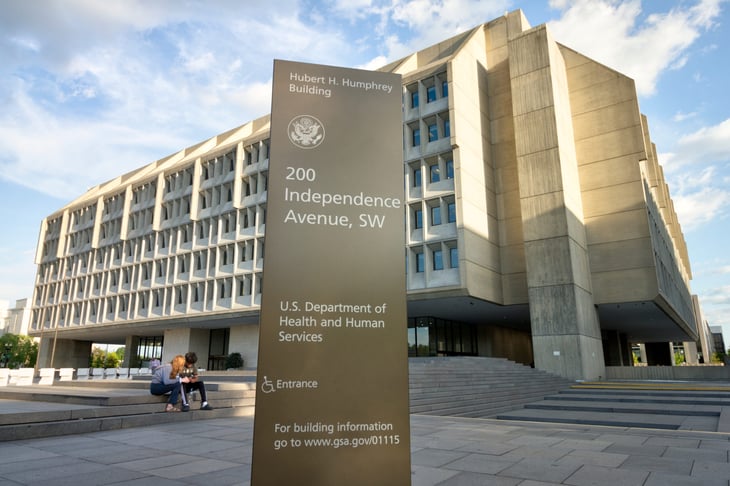
Planned reductions in EPA staffing will likely extend timelines for investigating and remediating environmental hazards. Former EPA assistant administrator Granta Nakayama warns these cuts will have a “dramatic effect” because “you just don’t have the bodies to run the program at the level they’ve historically operated at.”
Communities already experiencing delays in cleanup efforts, like those waiting on the U.S. Oil Recovery Superfund site in Texas, report unprecedented slowdowns in EPA approvals needed to advance remediation projects. One attorney involved noted, “I’ve never seen anything like it. The delays are costing us money.”
These administrative delays for homeowners near contaminated sites translate to prolonged property value depression and continued exposure to potential health hazards. Financial planning for extended timelines becomes essential when considering property near environmental cleanup zones.
Protecting your family’s health and financial future

As environmental protection priorities shift, taking personal action becomes increasingly important. Research local air quality data and advocate for community-based monitoring programs if you live in industrial corridors.
Some communities have successfully partnered with universities and nonprofits to establish independent monitoring when government programs fall short.
For financial protection, diversify investments beyond local real estate if you live in potentially affected areas, maintain robust emergency healthcare funds, and carefully review property insurance policies to understand coverage for environmental contamination.
Taking these proactive steps today can help safeguard your family’s health and financial security against environmental uncertainty.

Add a Comment