


From nuclear security to air traffic control, federal agencies are responsible for protecting the nation from threats both foreign and domestic. But a wave of mass firings under the Trump administration has slashed staffing across multiple critical departments, raising fears of weakened national security.
Cuts to nuclear oversight, election security, law enforcement, and public health could create serious vulnerabilities, emboldening foreign adversaries and increasing risks to public safety.
Here are five areas where these reductions may have dangerous consequences.
1. Air traffic control shortages raise safety concerns

Just weeks after a deadly mid-air collision near Washington, D.C., the Trump administration moved forward with mass firings at the Federal Aviation Administration (FAA), cutting air traffic controllers, radar technicians, and aviation safety specialists.
Experts warn that chronic FAA staffing shortages and outdated systems already strain air travel safety. Removing hundreds of workers without a clear replacement plan could slow emergency responses and heighten the risk of major accidents.
With air travel a prime target for terrorist threats, disruptions in FAA operations may also leave flights more vulnerable to external attacks.
Pro Tip: Flight delays and cancellations can throw your travel plans into chaos—and medical emergencies abroad could cost up to $30,000. Protect your journey now!
2. Election security efforts dismantled

Protecting U.S. elections from foreign interference has been a priority since Russia’s 2016 cyberattacks. However, the Trump administration has dismantled key election security programs, including an FBI task force and Critical Infrastructure Security and Resilience (CISA) protection, raising concerns about vulnerabilities.
Meanwhile, foreign adversaries like Russia, China, and Iran continue refining tactics to spread misinformation and disrupt election processes. Without strong federal cybersecurity support, state and local election offices face heightened risks, leaving elections vulnerable to hacking, disinformation, and direct threats.
Just as securing elections is crucial for protecting democracy, safeguarding your financial future is essential in times of uncertainty.
Pro Tip: A strong financial strategy helps shield your wealth from instability. Protect your assets with an investment that can hedge against recession and financial turmoil by opening a gold IRA.
3. Public health agencies weakened

The Trump administration’s deep staff cuts at the CDC, FDA, and Medicare/Medicaid oversight agencies have weakened disease surveillance, medical device safety, and emergency preparedness.
One of the most alarming reductions targeted the Administration for Strategic Preparedness and Response (ASPR), responsible for handling outbreaks like avian flu and bioterror threats.
With fewer specialists monitoring these risks, public health experts warn that the U.S. may be slower to respond to emerging health crises, while layoffs at FDA medical review divisions could delay critical drug approvals and weaken the nation’s biodefense.
Pro Tip: Early detection can be lifesaving. Book a screening today to uncover hidden health risks and gain peace of mind.
4. Nuclear security workforce decimated

The nation’s nuclear arsenal requires specialized oversight for safety, maintenance, and security, yet hundreds of staffers from the National Nuclear Security Administration (NNSA) were abruptly dismissed, including those handling warhead maintenance and nuclear waste containment.
Among the layoffs were employees at facilities like the Pantex Plant in Texas, responsible for assembling and dismantling nuclear weapons. With years of institutional knowledge lost, experts warn these cuts could slow modernization efforts and weaken nuclear safeguards.
Foreign powers monitoring U.S. nuclear readiness may view these shake-ups as an opportunity to test vulnerabilities, turning the firings into a potential global security risk.
5. Environmental protection cutbacks jeopardize toxic cleanups
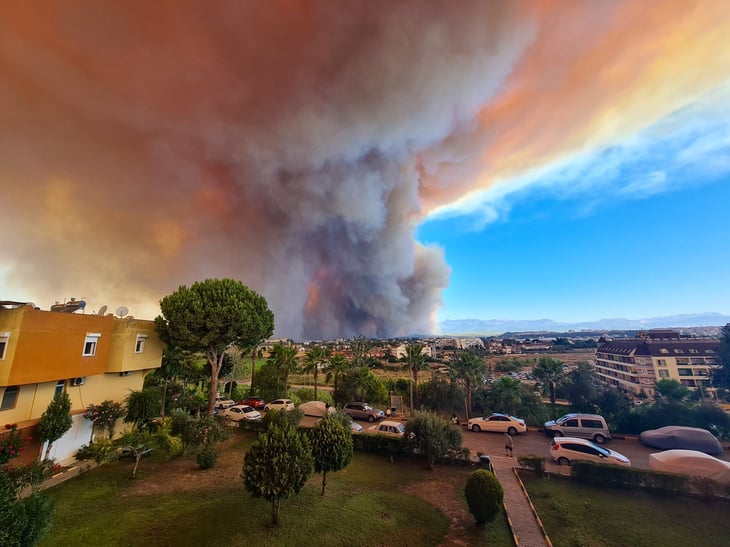
Beyond immediate threats, long-term environmental hazards also pose national risks. Cuts to the Environmental Protection Agency (EPA) have put the future of Superfund toxic site cleanups in jeopardy, particularly for heavily contaminated areas reliant on federal funding.
Sites like Exide Technologies in Los Angeles, where cancer-causing chemicals have tainted groundwater, depend on EPA oversight to prevent further exposure.
With the Trump administration weakening environmental regulations and pollution standards, communities near hazardous waste sites may face prolonged toxin exposure, threatening drinking water, agriculture, and public health—creating crises that could take decades to reverse.
Pro Tip: Just as environmental hazards can threaten your health, unexpected events can impact your family’s financial security without critical life insurance coverage. Here's a place to get a free, no-obligation quote to ensure you’re prepared.
These cuts could impact national security
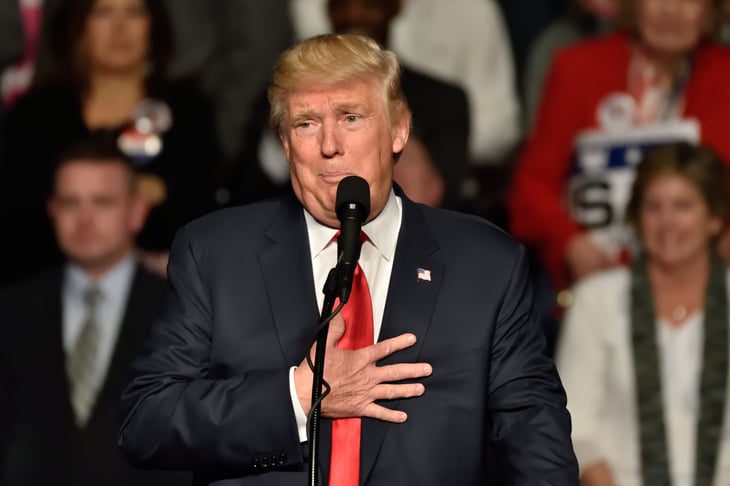
The Trump administration’s mass firings in nuclear security, air traffic control, election protection, public health, and environmental safety aren’t just bureaucratic shakeups—they introduce real risks that could affect millions of Americans.
These cuts undermine key agencies and create vulnerabilities that adversaries and bad actors may exploit. Whether through cyberattacks, public health emergencies, or weakened infrastructure, the consequences of these reductions may not be immediately visible, but they could have devastating effects down the line.
With multiple federal security and safety agencies losing experienced personnel and critical resources, experts warn that the long-term consequences of these cuts may outlast the administration that made them.

Add a Comment