



Donald Trump is ramping up tariff policies, proposing sweeping new import taxes that could spike consumer prices. The plan includes a broad 10%-20% tariff on imports and a massive 60%-100% hike on Chinese goods.
Tariffs function as taxes on foreign products, often leading to higher consumer prices while aiming to boost domestic industries. Trump’s past tariff policies already impacted numerous goods, and experts warn that these new changes could cost American consumers billions.
With household budgets already stretched, knowing which items may see the biggest price hikes can help you plan ahead. Here’s a look at six essential products that could become significantly more expensive—and smart moves to mitigate the impact.
1. Household appliances
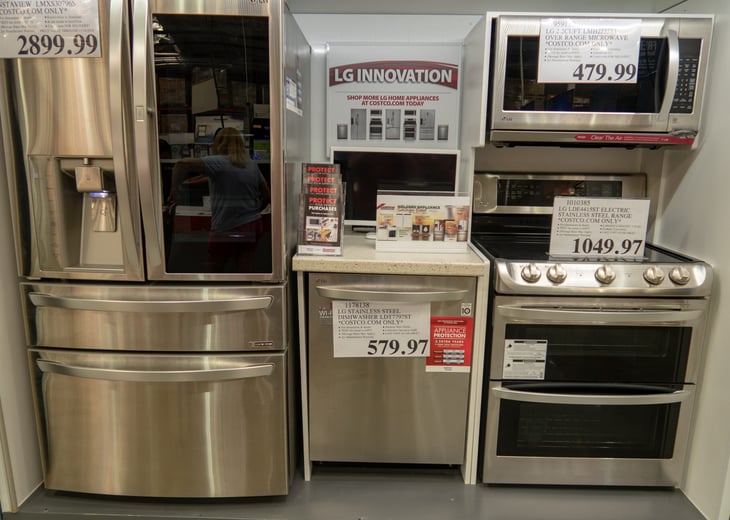
Refrigerators, washing machines, microwaves, and dishwashers are heavily imported from countries like China, Mexico, South Korea, Germany, Vietnam, and Thailand.
With proposed tariffs of 10%-20%, prices on these appliances could surge by up to 10.9%, potentially costing American consumers an extra $6.4 billion to $10.9 billion annually, according to the NRF. These added costs can strain budgets for households needing a major replacement or upgrade.
Consider purchasing appliances before price hikes take effect to lessen the financial impact. Opting for energy-efficient models can also help offset costs through long-term utility savings. Securing a home warranty can also help protect against expensive repairs or replacements down the road.
Pro Tip: With rising appliance costs, an unexpected breakdown could hit even harder. First American home warranty covers everything from home appliances to heating and cooling. Take a second and see what policies cost and what they cover.
2. Electronics (phones, laptops, TVs)

Proposed tariffs on electronics, such as laptops, phones, and TVs, could drive up prices since these products depend on global supply chains.
The NRF estimates tariffs of 10%-25% on electronics may lead to similar price increases, straining household budgets. China dominates manufacturing, while South Korea and Vietnam produce popular brands like Samsung and LG.
Buying essential electronics before tariffs take effect can help you save. Look for discounts, bundle deals, or refurbished options to cut costs. Reviewing your monthly tech expenses—like cellphone plans—can also free up extra cash.
Pro Tip: Paying more than $15 a month for your cell service? You may be able to get the same coverage for less. Click here to save a bundle.
3. Furniture

China, Vietnam, Mexico, and Malaysia dominate the global furniture supply chain, making tariffs on these imports a major concern. The NRF estimates that potential tariffs could push furniture prices up by 6.4% to 9.5%, adding $8.5 billion to $13.1 billion annually to consumer expenses.
With furniture being a common purchase for new homes, remodels, and replacements, many Americans may feel the financial strain. To save, consider buying before tariffs take effect or setting aside funds for future needs.
If financing, choose deferred-interest options carefully and pay off the balance before the promotional period ends to avoid costly interest charges. Keeping extra savings on hand can also help manage unexpected expenses.
Pro Tip: Maximize what you earn on your emergency fund. SoFi Checking offers 3.8% interest, plus a potential $300 signup bonus. (May change without notice.)
4. Clothing and footwear

Many apparel and footwear brands, including Nike, Adidas, and H&M, source products from countries like Vietnam, China, Bangladesh, and India, major global manufacturing hubs for clothing and shoes.
Tariffs on clothing and footwear could raise prices by 12.5% to 20.6%, adding $13.9 billion to $24 billion in annual consumer costs, according to the NRF. These increases could strain household budgets, especially for back-to-school shopping or seasonal needs.
To prepare, stock up on essentials now to avoid future price hikes. Watch for sales and discounts, and prioritize versatile, durable items to maximize value.
5. Toys

China dominates global toy production due to its cost-efficient manufacturing and extensive infrastructure, making it the largest supplier to the U.S.
The NRF estimates that tariffs could drive up toy prices by 36.3% to 55.8%, adding $8.8 billion to $14.2 billion in annual consumer costs. These increases could hit families hard, especially during holidays and birthdays.
To cut costs, consider buying toys before price hikes and taking advantage of sales or promotions. Choosing durable, high-quality toys can reduce future spending.
Pro Tip: Protect what matters most—your loved ones and your legacy. A solid estate plan can help ensure your assets are distributed according to your wishes while avoiding unnecessary legal hassles. Where there's a will, there's a way.
6. Travel goods (Luggage, Bags)

Travel goods such as luggage and bags are often imported from China, Vietnam, and India, which dominate the production of textiles and leather goods.
According to the NRF, proposed tariffs could raise travel goods prices by 10%-20%, adding $2.2 billion to $3.9 billion in annual consumer costs. If you need new luggage or travel accessories, buying before tariffs take effect could help you avoid paying more.
Investing in durable, high-quality luggage may cost more upfront but can save money in the long run by reducing the need for replacements. Since travel expenses add up quickly, protecting your trip is just as important as planning it wisely.
Pro Tip: A dream vacation can turn into a financial nightmare if something goes wrong. From trip cancellations to medical emergencies, travel insurance helps safeguard your plans. Here's a list of the top travel insurers.
Keep an eye on developments

Tariffs can substantially impact the cost of everyday items. Staying informed and making strategic purchasing decisions can help mitigate the financial effects on your household.
Monitor policy developments and consider adjusting your buying habits to maintain financial well-being.
Pro Tip: Explore diversification options like precious metal investments, with opportunities to receive up to $15,000 in free metals through qualified purchases. If you’re over 50 and curious about investing in gold, now is a great time to get your FREE 2025 Gold Information Kit and protect your future with physical precious metals!

Add a Comment