


With tax deadlines approaching faster than you might realize, it’s crucial to identify and correct these common self-employment tax errors before it’s too late.
From documentation gaps to missed deductions, these mistakes could lead to costly penalties, higher tax bills, or worse—the dreaded IRS audit.
Here’s what you must address now to protect your business and peace of mind.
Pro Tip: Secure your financial future by investing in an asset that can shield against recessions and financial turmoil by opening a gold IRA.
1. Inadequate documentation for business deductions
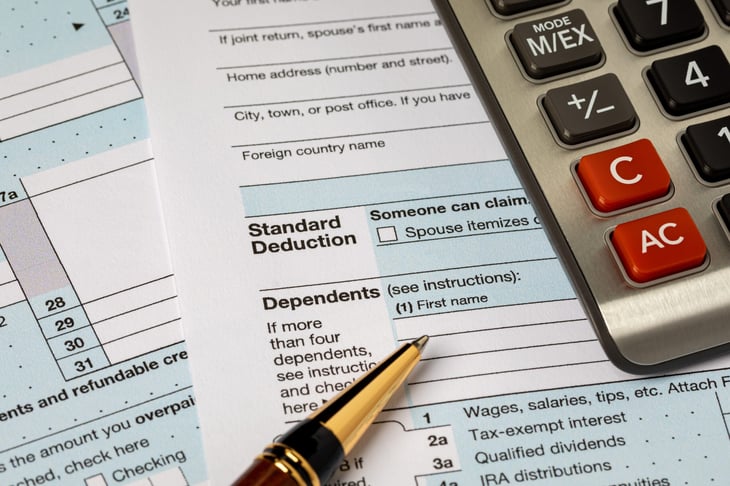
Claiming business deductions without adequate documentation can quickly trigger an audit. The IRS mandates keeping detailed records, such as receipts, invoices, and explanations for each expense.
Maintain a mileage log with dates, destinations, and business purposes for vehicle expenses. For home office deductions, measure your workspace and calculate its percentage of your home.
Vague estimates and missing receipts may lead to disallowed deductions and increased taxes, penalties, and interest. Proper legal protection is crucial for handling tax issues.
Pro Tip: Protect your business and personal assets by establishing proper legal documentation. Where there's a will, there's a way.
2. Misclassifying business structure

Sole proprietorship is common for self-employed individuals, but exploring alternatives like an S-Corporation may reduce self-employment taxes.
S-Corporations let owners pay a salary subject to employment taxes, with additional income as distribution free from self-employment tax, potentially saving thousands.
Compliance with payroll and compensation standards is essential. Informed decisions now can greatly impact long-term wealth.
Pro Tip: Making smart structural decisions is just the first step in building financial security. If you’ve got at least $100,000 in investments, check out a free service called SmartAsset. You fill out a short questionnaire and instantly get matched with up to three vetted financial advisors in your area.
3. Incomplete or inaccurate Schedule C

Schedule C is used by self-employed taxpayers to report business income and expenses. Common mistakes, such as using incorrect business codes, miscategorizing expenses, or failing to reconcile 1099 income, can prove costly.
Because Schedule C is subject to heavy scrutiny from the IRS, it’s essential to properly categorize your expenses, keep personal and business expenditures separate, and thoroughly document claims for travel, meals, entertainment, and vehicle-related costs.
While organizing your finances and documentation, take the opportunity to minimize financial risks in your personal life, too—like reducing your personal vehicle expenses.
Pro Tip: Reviewing your costs can also boost your bottom line. Use a car insurance shopping site to easily compare quotes and potentially save up to $600 per year.
4. Missing quarterly estimated tax payments
Self-employed individuals must make quarterly estimated tax payments. Missing or delaying these payments can lead to significant compounding underpayment penalties.
The IRS requires taxes to be paid as income is earned. Waiting until April can incur penalties of up to 6% on late payments.
Set reminders for quarterly payments due April 15, June 15, September 15, and January 15. Consult a tax professional for accurate payment calculations, and maintain emergency funds to avoid missed payments.
Pro Tip: Earn as much as possible on your emergency savings for tax payments and other business needs. For example, SoFi Checking is offering 3.8% interest, plus a potential $300 signup bonus. (May change without notice.)
5. Overlooking lesser-known deductions
Self-employed taxpayers often miss valuable deductions like health insurance premiums, retirement plan contributions, business insurance, and education costs related to their business.
Deduct 100% of health, dental, and long-term care premiums for yourself, your spouse, and your dependents. Contributions to SEP IRAs, SIMPLE IRAs, or solo 401(k) plans can significantly reduce taxable income.
Don’t overlook deductions for bank fees, professional memberships, and startup costs. Also, focus on long-term financial health.
Pro Tip: While maximizing tax deductions is crucial, don’t forget to protect your wealth in uncertain economic times. Protect your wealth with an asset that can hedge against the damaging effects of a recession and financial calamity by opening a gold IRA.
6. Failing to separate business and personal finances

Mixing personal and business accounts complicates tax reporting, heightens audit risk, and hinders the identification of legitimate business expenses, potentially leading to a documentation mess.
Open a separate business checking account and credit card for business expenses to ensure a clear audit trail and simplify tax preparation.
This enhances your business’s legitimacy with the IRS and reduces the risk of being reclassified as a hobby. If you are struggling with multiple debts, consider professional guidance.
Pro Tip: If you have more than $20,000 in unsecured debt across personal and business accounts, get some professional help. National Debt Relief is a trusted source for free advice and assistance.
Take action now before it’s too late

Tax mistakes compound with penalties and interest, becoming more burdensome over time. Proactivity can save stress and money. Review your tax situation, organize deduction documentation, and consult a self-employment tax specialist.
Professional tax help typically costs less than potential penalties and stress from an IRS audit. Act now to correct errors and prevent future issues.
As you plan your future, prioritize financial and personal health maintenance.
Pro Tip: Just as you should regularly review your business finances, your physical health deserves the same attention. Life Line Screening reveals hidden risks so you can act early. Book a screening today and have peace of mind.

Add a Comment