



Homeowners, brace for impact. Home insurance, expensive as it is, is becoming even pricier.
Add to that the chance that your insurer may throw higher deductibles and stricter underwriting requirements into the mix.
To put these home insurance price pressures into context, consider that although inflation grew by 18% from 2020 to 2023, the average homeowners’ insurance premium increased by 33% during that time, from $1,902 to $2,530 per year.
However, this year may bring more than just higher home insurance premiums. The Zebra, a home and car insurance policy comparison website, recently examined the 2025 home insurance landscape and predicts the following trends.
1. Increased use of technology

Some insurers offer discounts to homeowners who install specified smart devices that lower the risk of break-ins, fires, leaks and floods inside a home.
Leaks not caused by weather damage are among the biggest sources of insurance losses, according to Chubb, a global property insurance company. To combat the risk of water damage, some insurers are encouraging customers to install leak sensors. Farmers Insurance, for one, offers customers “a significant discount” on home insurance premiums for installing one.
Some insurers offer policy discounts of up to 20% for installing other devices, such as smart locks, video doorbells and window sensors that can help detect a break-in, Nerdwallet finds. Smoke detectors and security cameras also boost homeowner safety and help hold down insurance costs.
Meanwhile, energy monitors can spot abnormal electric consumption, possibly signaling the risk of an electrical fire. Some insurers — State Farm’s been one — offer free monitors to customers.
Tip: Before (not after) installing in-home sensors, check with your insurance company or agent to find out about any discounts for particular technology or products.

2. Increased use of parametric insurance policies
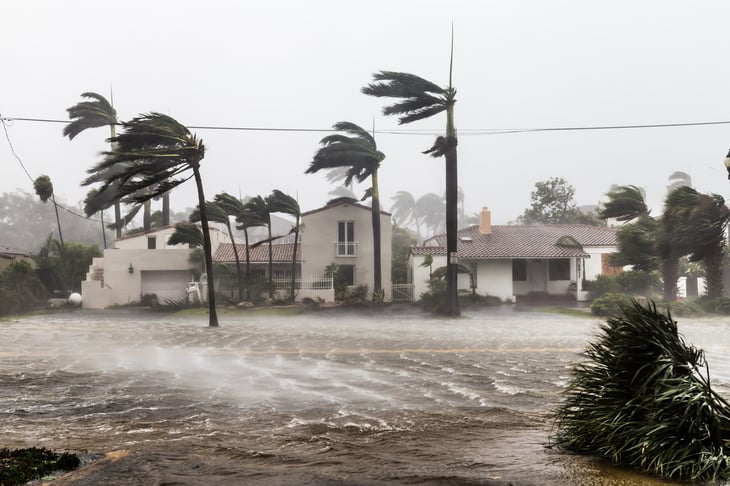
Parametric insurance is a newer type of coverage that’s in early stages of use. The name refers to how payouts are determined. Some hope that parametric insurance could lower costs and put money into the hands of homeowners faster in cases of weather- or climate-related damage.
Instead of dispatching insurance assessors to confirm damage after a claim is made, parametric insurance pays homeowners automatically when, for example, wind speed exceeds a certain level or an earthquake’s strength hits a specific threshold. Thresholds are defined in a policy, and payments go out automatically when one is crossed.
“Unlike traditional insurance, which is based on the actual losses sustained, parametric insurance is linked to a specified event,” says the World Economic Forum, an independent public-private organization.
According to PKF, a British accounting firm, the concept isn’t yet widely used. For one thing, there’s a risk that automated payouts could be too high or too low. But, eventually, this use of data in insurance adjusting will improve payouts, speed up claims processing and cut through layers of administration, the firm predicts.

3. More personalized policies

Another trend in home insurance is insurers’ recognition that the packages of coverage they’ve traditionally sold may not offer the flexibility that customers need. Hence the emergence of personalized policies with a smorgasbord of options to customize coverage.
American Family Insurance, for one, offers a standard policy to which shoppers can attach any of more than a dozen add-on coverages including:
- Personal injury
- Structure replacement cost coverage
- Matching siding coverage (allowing homeowners to replace undamaged siding to match the newly reconstructed damaged portion)
- Home-based business coverage
- Nursing home and assisted living coverage (to protect the belongings of a family member who moves into an assisted living or nursing home facility)
Automation is a part of this. Consulting firm McKinsey & Company says:
“Some insurance carriers are close to achieving what may be called a ‘personalized insurance engine’: a fully automated customer journey, from initial product research and sales to claims, that leads each individual customer through a convenient, data-driven experience that feels fully tailored to them and comparable to interacting in person.”

4. More focus on homeowners’ climate resilience

The effects of climate change are becoming vividly apparent. Drought-aggravated California wildfires this year so far have cost more than two dozen lives and an estimated hundreds of billions of dollars in damages.
Discounts are one tool insurers use to induce policy holders to take recommended measures to protect their homes from fire, weather and wind. (Tip: Insuring a home against floods or earthquakes requires buying separate flood and earthquake policies.)
“Discounts for fire-resistant materials, storm shutters and flood barriers are becoming more common.”
Florida and Louisiana require home insurers to offer homeowner discounts for certain improvements against wind damage, Insurance.com reports. Such measures can include adding a wind-resistant roof or storm shutters or securing a roof with roof deck attachments and roof-to-wall attachments.

5. Regulatory changes
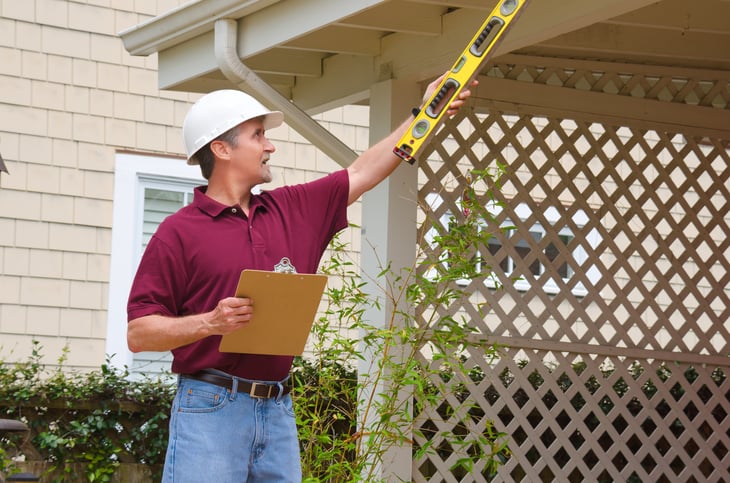
Governments also are playing a role in pushing for change, with actions such as updating building codes, working in partnership with private companies and raising funds for disaster mitigation, The Zebra finds.
The Bob Vila website says that local, state and federal government entities have been working to tighten building codes to protect homes from fires, floods and wind. In 2022, the Federal Emergency Management Agency (FEMA) and the Biden administration called for upgrading code requirements to protect lives and property.
Some local jurisdictions are banning wood “shake” roofs, for example. Others are requiring wider driveways to give fire trucks access, mandating fire-resistant building materials or fortifying homes in flood-prone regions.


Add a Comment