


Donald Trump’s return to the White House has brought swift and significant changes to America’s climate policy. Just weeks into his second administration, he’s already implementing executive orders and policy shifts aimed at unwinding environmental protections and climate initiatives established in previous years.
These rapid changes have alarmed climate scientists and environmental advocates who warn that such actions could accelerate global warming and potentially set back international climate efforts. The following breaks down the most consequential ways the new Trump administration is reshaping climate policy in its early days.
1. Withdrawing from the Paris Climate Agreement again
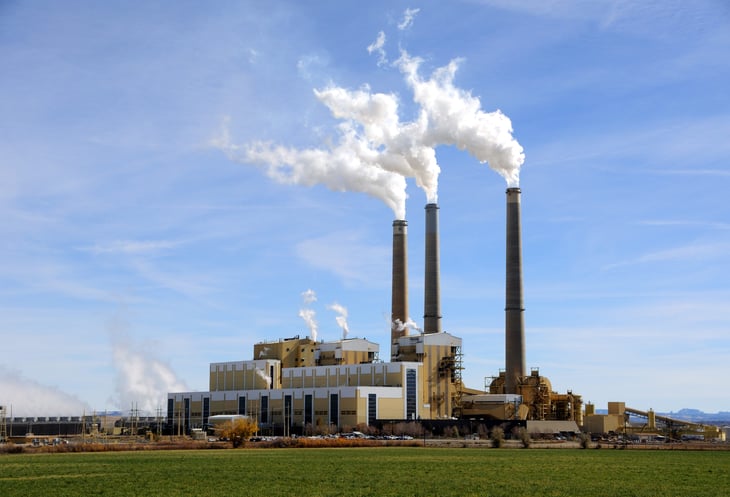
One of Trump’s first major environmental moves was announcing the United States would once again withdraw from the Paris Climate Agreement. This global pact, designed to limit global warming to well below 2 degrees Celsius compared to pre-industrial levels, is considered crucial to international climate cooperation.
The U.S., as one of the world’s largest carbon emitters, plays a vital role in the agreement’s effectiveness. This second withdrawal signals to other nations that America is stepping back from global climate leadership, potentially encouraging other countries to reconsider their own commitments.
2. Declaring a national energy emergency
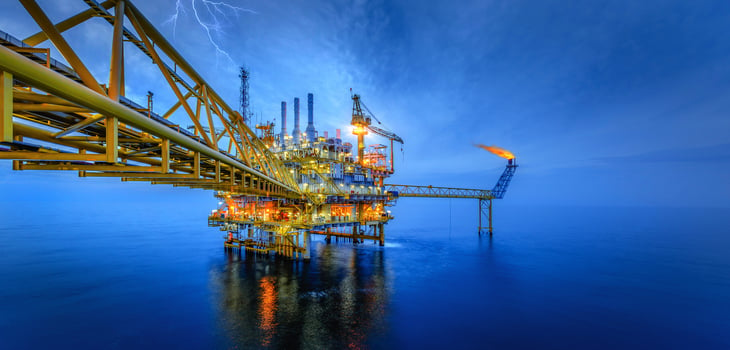
Trump has declared what his administration calls a “National Energy Emergency,” prioritizing fossil fuel production and development. This executive action directs federal agencies to expedite permits for oil and gas projects while establishing policies to expand domestic extraction.
The emergency declaration specifically identifies renewable energy transition efforts as a “threat” to American energy security, effectively reframing climate action as contrary to national interests rather than a pathway to long-term energy independence and environmental stability.
3. Eliminating electric vehicle incentives
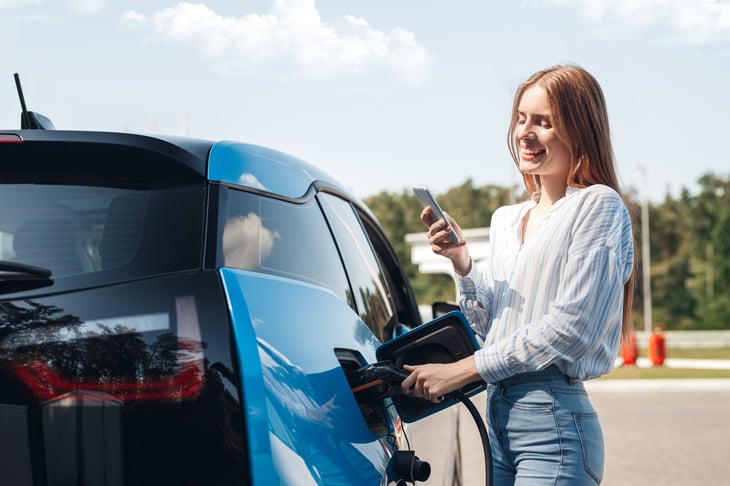
The administration has begun dismantling federal incentives for electric vehicles, including plans to revoke tax credits that make EVs more affordable for consumers. Additionally, Trump has directed the Department of Transportation to eliminate non-binding goals for electric vehicle sales that were established to reduce transportation emissions.
This shift comes at a critical moment when the auto industry has invested billions in transitioning toward electric vehicles, creating significant market uncertainty for manufacturers and potentially slowing the adoption of cleaner transportation options that many consumers have been considering.
4. Freezing clean energy funding
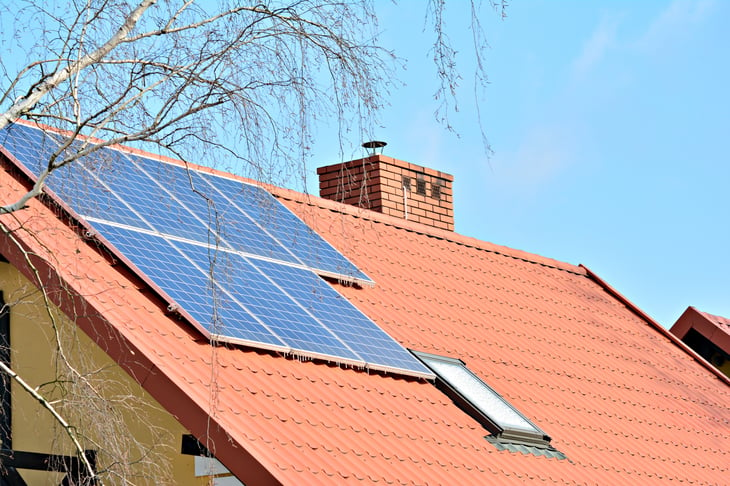
Trump has ordered the immediate freezing of billions in federal funding allocated for clean energy projects across the country. This includes halting money for wind farms, solar installations, grid modernization, and electric vehicle charging infrastructure.
Projects already underway now face uncertain futures, with many developers reporting that work has paused while they determine whether promised federal support will materialize. This funding freeze affects thousands of jobs in the renewable energy sector and communities that were counting on these projects for economic development.
5. Deregulating fossil fuel industries

The new administration has moved quickly to roll back regulations on fossil fuel industries that were designed to limit greenhouse gas emissions and other pollutants. These deregulatory actions include easing restrictions on methane leaks from oil and gas operations and relaxing coal power plant emission standards.
Industry groups have welcomed these changes, while environmental advocates warn they could lead to significant increases in carbon emissions at a time when reductions are critically needed to address climate change, potentially affecting both environmental and public health outcomes.
6. Blocking renewable energy permits
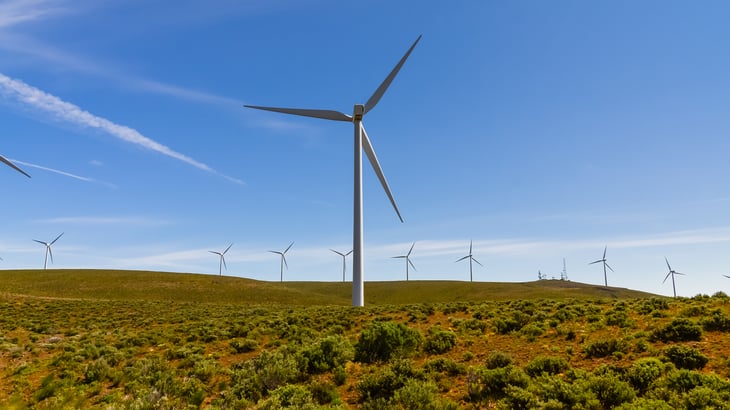
Trump’s Department of Interior has implemented an immediate pause on approving new permits for offshore wind projects and has begun reviewing previously approved projects. Similar holdups are affecting large-scale solar installations on federal lands.
This permitting slowdown creates substantial uncertainty for renewable energy developers who have already invested millions in project planning. Industry analysts suggest this could significantly reduce the projected growth of clean energy capacity over the next several years, affecting both environmental goals and energy sector employment.
7. Imposing tariffs on clean energy technologies

The administration has announced plans to implement significant tariffs on imported clean energy components, including solar panels, wind turbines, and battery technology. These tariffs are positioned as protecting American manufacturing but could substantially increase costs for renewable energy projects.
Energy economists warn that higher equipment costs will make renewable energy less competitive with fossil fuels, potentially slowing the transition to cleaner power sources while increasing energy costs for consumers and businesses across multiple sectors.
8. Reducing environmental enforcement capacity
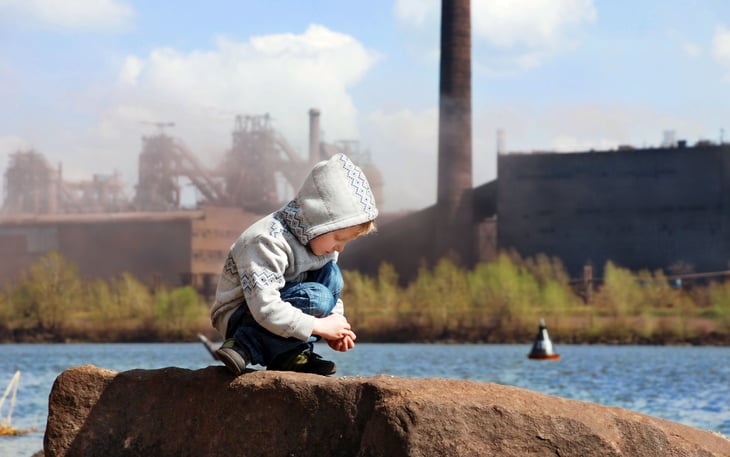
The Environmental Protection Agency has already experienced significant staffing reductions under the new administration, with Trump appointing leadership openly skeptical of the agency’s mission. Budget cuts targeting environmental enforcement have been proposed, potentially limiting the government’s ability to monitor and enforce existing climate regulations.
Career scientists and environmental specialists are reportedly departing government service at concerning rates, creating an expertise gap that could take years to rebuild even under future administrations with different priorities.
9. Reconsidering the endangerment finding
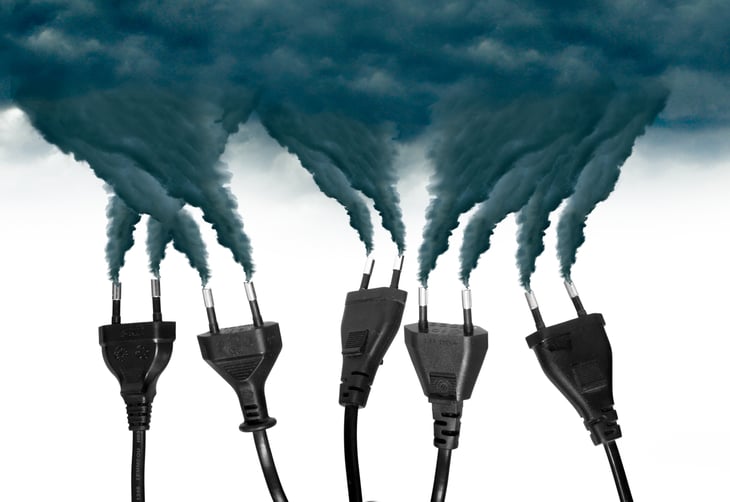
Trump’s EPA has begun a review of the agency’s 2009 “endangerment finding,” which established that greenhouse gases threaten public health and welfare. This scientific determination forms the legal basis for most climate regulations under the Clean Air Act.
If reversed, this would eliminate the EPA’s authority to regulate greenhouse gases altogether, potentially unraveling dozens of climate policies and making it significantly harder for future administrations to implement new ones without congressional action—a fundamental shift in America’s approach to climate policy.
10. Expanding fossil fuel extraction

The administration has rapidly expanded oil and gas leasing on federal lands and waters, opening previously protected areas to drilling. New lease sales are being expedited in the Gulf of Mexico, Alaska, and across western states, with environmental reviews being shortened or waived entirely.
This push for increased extraction comes despite warnings from climate scientists that most existing fossil fuel reserves must remain unused to meet global climate goals and prevent the most severe impacts of climate change, creating a tension between short-term economic interests and long-term environmental concerns.
11. Weakening environmental standards

Trump has directed agencies to review and revise numerous environmental standards affecting everything from vehicle emissions to industrial pollution limits. These rollbacks include weakening fuel efficiency standards for cars and trucks and reducing requirements for energy efficiency in buildings and appliances.
Many of these standards were designed not only to reduce greenhouse gas emissions but also to save consumers money through improved efficiency, meaning their removal could have both environmental and economic consequences for American households and businesses.
12. Cutting climate science and research

Federal funding for climate science and research programs is being dramatically reduced, with some programs eliminated entirely. The administration has also removed climate change information from government websites and discouraged federal scientists from discussing climate issues publicly.
These cuts to climate science come at a time when more research is needed to understand climate impacts and develop effective adaptation strategies for communities already experiencing effects of global warming—from coastal flooding to increased wildfire risk.
13. Disrupting climate-related jobs and projects

The combination of policy changes has already resulted in job losses and project cancellations across the clean energy sector. Solar and wind installation companies report staffing reductions, while manufacturers of energy-efficient products face uncertain demand due to changing standards.
Economic analysts note these disruptions could impact tens of thousands of jobs in what had been one of America’s fastest-growing employment sectors, potentially shifting investment and innovation in clean technology to countries with more consistent climate policies.
14. Challenging state climate initiatives

The Trump administration has begun legal challenges against states attempting to implement their own climate policies. California’s authority to set stricter vehicle emission standards is again under scrutiny, while other states’ clean energy mandates face federal opposition.
This federal-state conflict creates regulatory uncertainty for businesses operating across state lines and could undermine the ability of climate-conscious states to make independent progress even in the absence of federal leadership on climate issues.
15. Bypassing traditional policy processes

Trump has relied heavily on executive orders to implement his climate agenda, bypassing the longer regulatory processes that typically include public comment periods and detailed scientific review. This approach allows for rapid policy changes but also makes these actions more vulnerable to legal challenges.
Let’s hope he’s right
Donald Trump has repeatedly called climate change a “hoax.” If he’s correct, the changes he’s making are wise. But if he’s wrong, and as science suggests, a warming planet poses a danger to life on planet earth, the results of this wager could be catastrophic.
Trump has his opinion, and he’s acting on it. Innumerable climate scientists, on the other hand, believe rising temperatures will create more intense storms, droughts, floods and other hardships for people, animals and crops.
By electing Trump, as a country we’ve put a known climate change denier in the world’s most powerful position.

Add a Comment