



Editor's Note: This story originally appeared on The Penny Hoarder.
The wealth gap between renters and homeowners in the U.S. is pretty wide.
In fact, the median homeowner has a net worth of $400,000, while the median renter has just $10,400, according to a recent report by the Aspen Institute. This gap has sparked a growing divide between the “haves” and “have-nots,” leaving many renters wondering if homeownership is even possible for them.
While owning a home is a reliable path to building wealth, it’s not the only option. Let’s talk about what wealth is, how homeownership builds it, the hurdles to getting there and how renters can make the most of their situation.
What Is Wealth, Really?

Wealth isn’t about how much you have in the bank. Instead, it’s about your net worth. That’s the total value of what you own (assets) minus what you owe (liabilities).
Your assets can include things like a home, retirement accounts, stocks or other investments. And liabilities might include car payments, credit card bills, mortgages and student loans. Your wealth, which is measured by your net worth, is the number you get after subtracting your liabilities from your assets.

How Homeownership Affects the Wealth Gap
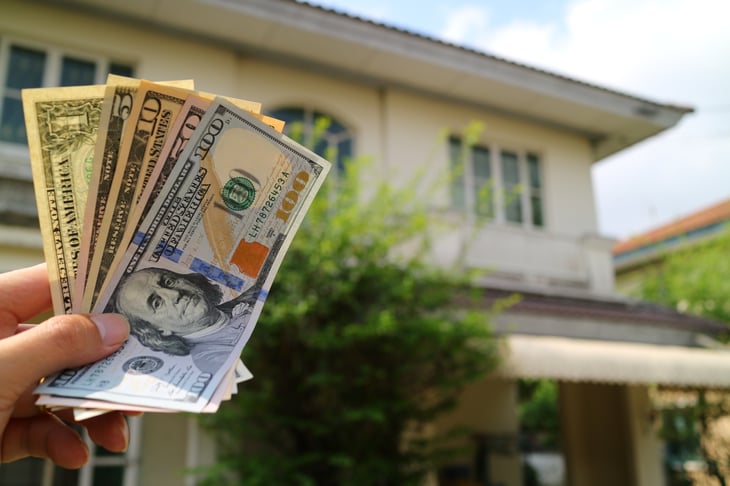
Owning a home is often seen as a cornerstone of the American Dream, and for good reason. It’s one of the most straightforward ways to build long-term wealth. Keep reading to see how it works.
- Building equity: Home equity, which is a fancy way of saying the portion of your home’s value that you own outright, is a big part of why homeowners come out on top in the wealth gap. When you make a mortgage payment, part of that payment reduces the loan balance. Over time, you own a bigger chunk of your home, which becomes part of your net worth. Rent, on the other hand, doesn’t give you anything to show for your monthly payments. It just goes directly into your landlord’s pockets.
- Appreciation: Homes tend to increase in value over time. According to the National Association of Realtors, today’s median existing-home sales price of $406,100 is a 4.7% increase from November 2023. That makes it the 17th consecutive month of year-over-year price increases. So, if you bought a home 10 years ago, it’s likely worth much more today. That increase in value boosts your wealth.
- Tax benefits: Homeownership comes with perks like mortgage interest deductions and capital gains exclusions when you sell. These tax breaks can save you thousands, making it even easier to grow wealth.
Because homeownership helps build wealth, homeowners often have a massive leg up when it comes to their net worth. As mentioned earlier, a median U.S. homeowner’s net worth is 40 times that of a renter.
That wealth can be used to fund retirement, pay for education or invest, creating a cycle of growth. If you want to accelerate the growth of your net worth, you may want to consider owning instead of renting.

What Are the Common Barriers to Homeownership

If homeownership is such a great wealth-building tool, why doesn’t everyone own a home? The answer lies in a combination of financial challenges and systemic barriers.
Rising home prices and mortgage rates have made buying a home more expensive than ever. The median home price is now over $400,000, and mortgage rates are hovering around 7%. For many renters, saving up for a down payment while covering rising rents feels impossible. Plus, many lenders require at least 5% to 20% of the home’s price as a down payment. That can be a substantial amount for many buyers.
According to Bankrate’s new Down Payment Survey, over half of the participants say the current cost of living is too high, and their income isn’t enough for them to afford a down payment and closing costs for a home. Aspiring homeowners also cited credit card debt, lack of financial assistance from family and student loan debt as barriers to homeownership.
Credit issues are another roadblock. Many aspiring buyers either don’t have enough credit history or struggle with low credit scores. This can disqualify them from getting approved for a mortgage or result in unfavorable loan terms, such as higher interest rates that make homeownership even less affordable.
These barriers can make homeownership feel out of reach for many Americans. However, with the right financial strategies, guidance and resources, achieving the dream of homeownership is still possible.

Advice for Aspiring Homeowners

If you’re dreaming of buying a home but feel stuck, keep reading for some actionable steps to help you get there.

1. Start Saving and Planning

Saving for a home goes beyond the down payment. You’ll also need to budget for additional expenses like closing costs, moving expenses and furniture for your new space. Closing costs alone can range from 2% to 6% of the home’s purchase price and typically cover fees for appraisals, inspections and title insurance.
To stay on track, consider opening a separate savings account specifically for your home-buying goals.

2. Polish Your Credit

Your credit score is a major factor in qualifying for a mortgage and securing favorable interest rates. Most conventional lenders will want to see a credit score that’s at least 620.
If you don’t know where you stand in terms of your credit health, get a free copy of your credit report from each of the three major credit bureaus at annualcreditreport.com. Review these reports carefully to ensure there are no errors and dispute any inaccuracies.

3. Pay Down Debt

Lenders will also look at your debt-to-income ratio when considering your mortgage application. This ratio compares your monthly debt payments to your income and helps lenders assess your ability to manage additional debt. The less debt you carry, the more attractive you’ll look to lenders.

4. Take Advantage of Government Programs

Look into government-backed loans like FHA, USDA or VA loans, which often have lower down payment requirements. Many states also offer down payment assistance programs for first-time buyers.

The Upsides of Renting

While renting may not build wealth the same way homeownership does, it still has its benefits, such as the following:
- Flexibility: Renting makes it easier to relocate for job opportunities, family needs or just a change of scenery.
- Lower responsibilities: As a renter, you don’t have to worry about paying for repairs or maintenance. If your fridge breaks or your roof leaks, that’s typically your landlord’s problem and not yours.
- Predictable expenses: While homeowners must budget for unexpected repairs, maintenance and fluctuating property taxes, renters generally only need to cover their rent and utilities.
For some, the flexibility and lower commitment of renting are worth more than the potential financial gains of owning a home.

Wealth-Building Is Not Just for Homeowners

While homeownership remains one of the best ways to build wealth, it’s not the only path. Everyone knows investing also builds wealth. The trouble is, getting started can be expensive and time-consuming.
What if it didn’t have to be?
Platforms like Wealthfront offer automated investment accounts designed to help you manage risk and maximize potential returns without spending an arm and a leg. You can target categories like clean energy, tech, or crypto, and the service will handle the trades and rebalance your portfolio for you.
So, start saving, explore alternative investments and make the most of your current situation. And remember: whether or not you own a home, you have the power to take control of your finances.


Add a Comment