


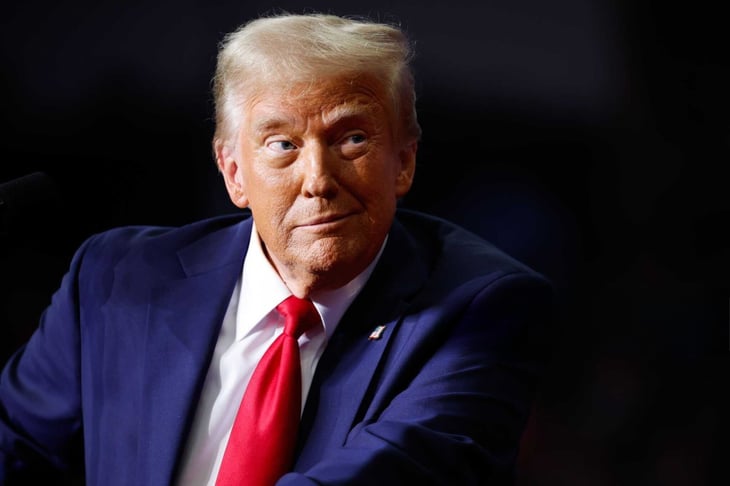
Americans are frustrated with soaring food prices, and many pinned their hopes on President-elect Donald Trump’s promises to ease the burden. However, economists warn that his proposed policies may not provide the relief voters expect—and could even worsen things.
Food costs have surged by nearly 30% since the pandemic, and although there have been some slowdowns, the complex nature of inflation makes quick solutions unlikely. Here are five reasons why Trump’s promises to lower grocery prices might not deliver, at least in the short-run.
1. Tariffs on Imports Could Drive Prices Higher
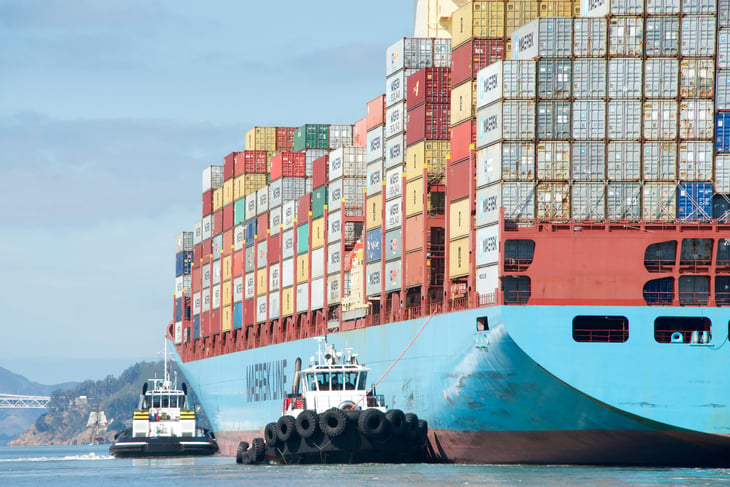
Trump’s plan to impose a 60% tariff on Chinese goods and a 10%-20% tariff on other imports aims to boost American agriculture. But it could backfire.
The U.S. imports 60% of its fresh fruit, 38% of its fresh vegetables, and 10% of its beef. Tariffs would raise the cost of those goods, forcing prices higher for consumers.
Additionally, food producers rely on imported items like fertilizer and packaging. Higher costs for these essentials would likely be passed along to shoppers.
Pro tip: One investment that can help offset the risk of inflation and market turmoil is gold. Get free information from Preserve Gold.
2. Deportation Plans Could Worsen Labor Shortages

Undocumented workers are a critical part of the U.S. food supply chain. Deporting millions could create labor shortages, particularly on farms where over 1 million undocumented workers are employed.
Fewer workers mean reduced production, which could increase prices on everything from fresh produce to packaged goods. Economists warn that these disruptions could ripple through the entire food industry.
3. Energy Costs Play a Small Role in Food Prices
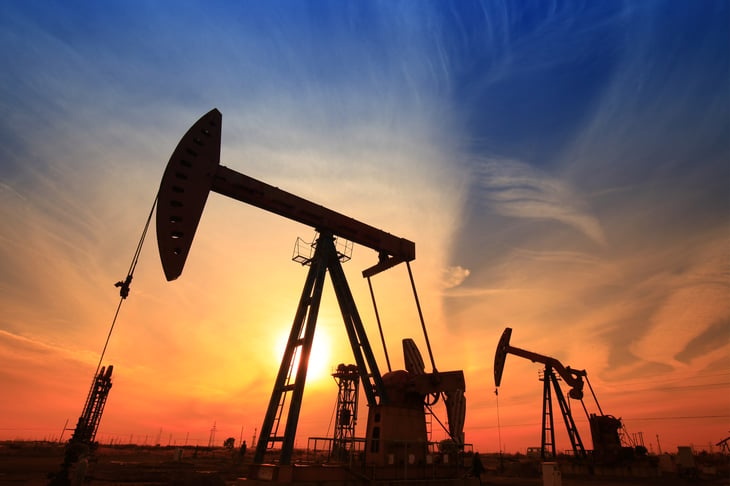
Trump’s promise to cut energy costs by increasing oil and gas drilling might sound like a solution, but energy accounts for less than 4% of food production costs, according to the USDA.
While lower energy bills could help manufacturers and distributors, they won’t significantly reduce grocery store prices. Major savings at the checkout line are unlikely to materialize.
4. Retaliatory Tariffs Could Harm Farmers
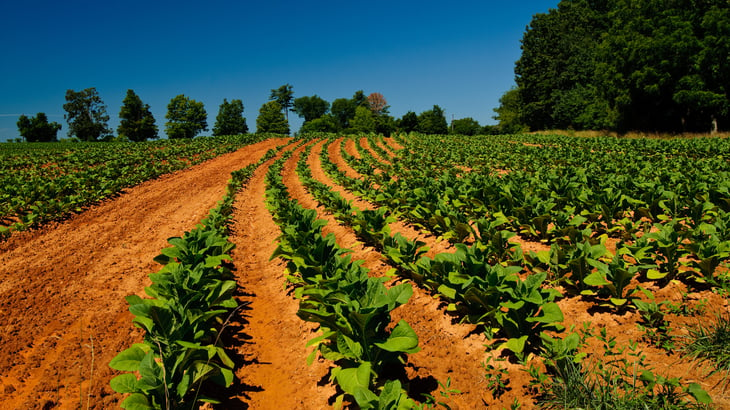
If the U.S. raises tariffs on imports, other countries may respond with retaliatory tariffs on American exports. This could hit U.S. farmers hard, as 20% of agricultural production is sold overseas.
Reduced demand for U.S. farm goods could hurt farmers’ bottom lines, leading to higher prices domestically to compensate for lost revenue.
5. Long-Term Solutions Require More Than Tariffs
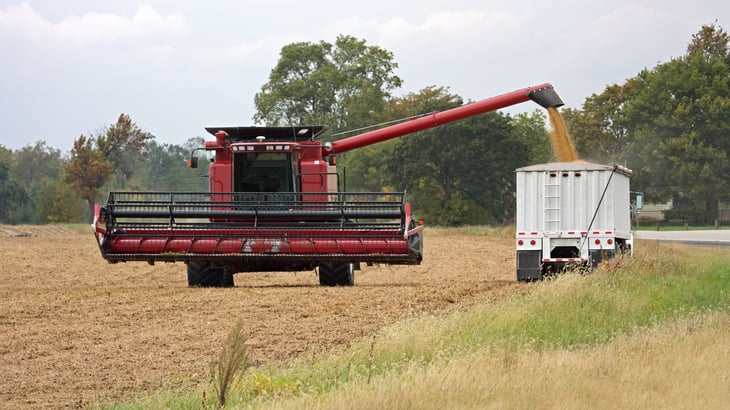
Experts say long-term solutions to food inflation involve investing in infrastructure, agricultural technology, and pest-resistant crops—not just tariffs.
Without these investments, supply chain challenges could persist, and food prices could remain high. Focusing on income growth, rather than simply reducing grocery bills, might offer a more sustainable path forward.
Hope for the Future?

Lowering grocery prices is complex, and Trump’s promises might not deliver immediate relief. However, long-term strategies—like fostering innovation in agriculture and ensuring fair competition—could make a real difference.
Consumers can protect their budgets by shopping smarter, taking advantage of sales, and prioritizing essentials. While policy changes take time, small personal adjustments can help weather the storm.

Add a Comment