


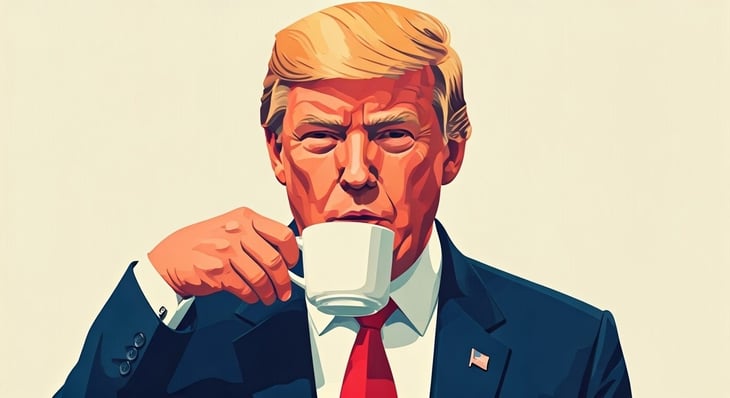
Consumers continue to struggle with high grocery prices, and many are looking to Trump’s economic policies for relief. While his promises to cut food costs have grabbed headlines, experts warn that the reality may be more complicated.
Food inflation is driven by global supply chains, labor costs, and corporate pricing strategies—factors that may not respond quickly to political changes. Additionally, recent bird flu outbreaks have severely limited the egg supply, pushing prices even higher and highlighting the unpredictability of food costs.
Despite campaign pledges, grocery bills are unlikely to drop anytime soon. Here are five reasons why Trump’s grocery price cuts may not deliver the savings shoppers hope for.
1. Tariffs on Imports Could Drive Prices Higher
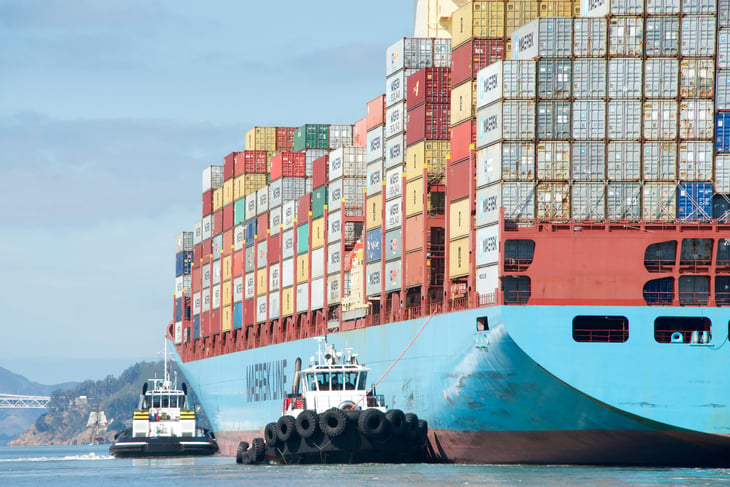
Trump has proposed new tariffs on imported goods to boost American industries, including agriculture. While these policies support domestic production, they could also lead to unintended price hikes at the grocery store.
The U.S. relies heavily on imports for fresh fruit, vegetables, beef, and key farming essentials like fertilizer and packaging materials. If tariffs drive up costs for producers, those expenses will likely be passed on to consumers, making everyday essentials more expensive.
Rising food prices can be especially challenging for retirees and those on fixed incomes, highlighting the importance of having diverse financial safeguards.
Pro Tip: Inflation and market uncertainty make diversification more important than ever. Precious metals can offer a tangible hedge against rising costs and economic instability. If you’re over 50 and curious about investing in gold, now is a great time to get your FREE 2025 Gold Information Kit and protect your future with physical precious metals!
2. Deportation Plans Could Worsen Labor Shortages

Undocumented workers are a critical part of the U.S. food supply chain. Deporting millions could create labor shortages, particularly on farms where over 1 million undocumented workers are employed.
Fewer workers mean reduced production, which could increase prices on everything from fresh produce to packaged goods. Economists warn that these disruptions could ripple through the entire food industry.
3. Energy Costs Play a Small Role in Food Prices

Trump’s promise to cut energy costs by increasing oil and gas drilling might sound like a solution, but energy accounts for less than 4% of food production costs, according to the USDA.
While lower energy bills could help manufacturers and distributors, they won’t significantly reduce grocery store prices. Major savings at the checkout line are unlikely to materialize.
4. Retaliatory Tariffs Could Harm Farmers
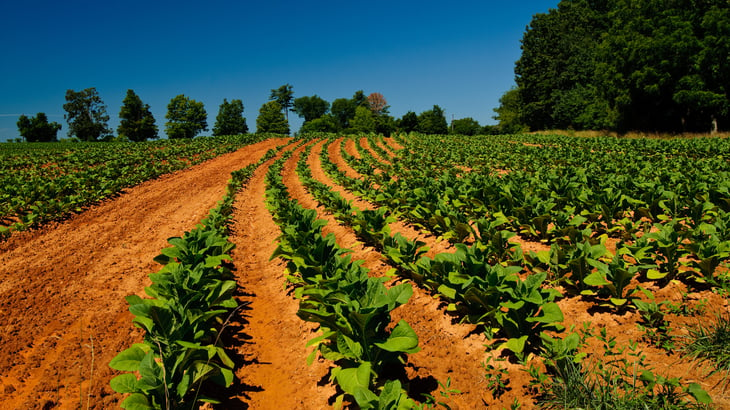
If the U.S. raises tariffs on imports, other countries may respond with retaliatory tariffs on American exports, which could significantly impact U.S. farmers. Currently, 20% of U.S. agricultural production is sold overseas, and if foreign markets shrink, American farmers could face declining revenues.
Domestic food prices could rise to compensate for these losses, adding even more strain to household budgets. Higher costs for essentials like meat, dairy, and grains would make it harder for retirees and fixed-income households to keep up.
For those struggling to balance rising expenses, having access to financial flexibility can help navigate economic shifts.
Pro Tip: Rising costs can pressure your budget, but there are ways to access the cash you need. Whether you need debt relief or help to fund a major expense, find the best financial solutions tailored to your situation—fast, easy, and secure. Explore financial solutions here.
5. Long-Term Solutions Require More Than Tariffs

Experts say long-term solutions to food inflation involve investing in infrastructure, agricultural technology, and pest-resistant crops—not just tariffs.
Supply chain challenges could persist without these investments, and food prices could remain high. Focusing on income growth, rather than simply reducing grocery bills, might offer a more sustainable path forward.
Hope for the Future?

Lowering grocery prices is complex, and Trump’s promises might not deliver immediate relief. However, long-term strategies—like fostering innovation in agriculture and ensuring fair competition—could make a real difference.
Consumers can protect their budgets by shopping smarter, taking advantage of sales, and prioritizing essentials. While policy changes take time, small personal adjustments can help weather the storm.

Add a Comment