



Your credit score impacts everything from loan approvals to interest rates, yet myths about how it works can lead to costly mistakes.
Misconceptions can cause you to make poor financial decisions, miss out on opportunities, or even pay more than necessary on loans and credit cards.
Understanding the truth about credit scores is key to protecting your financial health. By separating fact from fiction, you can make smarter money moves, improve your credit, and avoid unnecessary financial setbacks.
Myth 1. Closing old credit cards improves your score
It may seem logical to close unused credit cards, but this can shorten your credit history and reduce your available credit, which can lower your score.
Keeping those accounts open and using them occasionally can help improve your credit utilization ratio, a key factor in determining your score.
Pro Tip: Looking for a way to manage debt more efficiently? Get a 0% intro APR credit card and pay no interest until nearly 2027—transfer your existing debt, pay it down faster, and enjoy stress-free spending.
Myth 2. You need to carry a balance to build credit
Carrying a balance doesn’t improve your score. It only costs you money in interest. Paying off your balance in full each month is a smarter strategy.
Working with a financial advisor can provide personalized guidance to help you improve your financial situation and maximize your credit.
Myth 3. Checking Your Credit Hurts Your Score
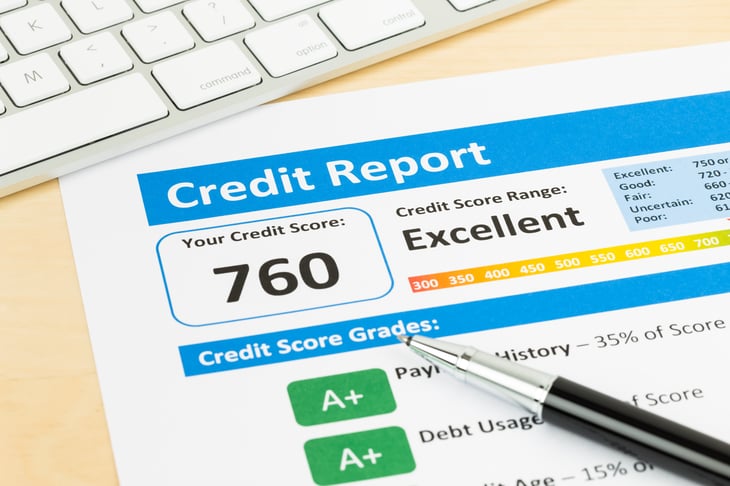
A common myth is that checking your credit will damage your score. In reality, checking your own credit is considered a “soft inquiry” and has no impact.
Regular checks can help you spot errors or signs of fraud early, ensuring your credit report remains accurate and protecting your financial health.
Pro Tip: When you spend on anything, always pay with a top-ranked cash-back card.
Myth 4. Paying off debt immediately removes it from your report

Even after you pay off a debt, the record of it remains on your credit report for seven years. However, it shows as paid, which is much better than unpaid debt and can still positively impact your credit score.
Over time, the impact of paid-off debts lessens, and your overall creditworthiness improves as long as you continue practicing responsible credit habits.
Myth 5. All debt is bad debt

Not all debt is harmful. Responsible use of debt, like a mortgage, reverse mortgage, or student loans, can help you build a strong credit history and increase your score.
When managed wisely, these types of debt can demonstrate your ability to handle credit, positively impacting your creditworthiness in the long run.
Pro Tip: If you’re 62 or older and need extra funds in retirement, a reverse mortgage could help. Turn your home equity into tax-free cash without selling your home or making monthly payments—use it for medical bills, home improvements, or anything else you need!
Myth 6. Credit cards are the only way to build credit
While credit cards are common, there are other ways to build credit, such as secured loans, becoming an authorized user on someone else’s card, or auto loans.
These alternatives can help diversify your credit profile, showing lenders that you can responsibly manage different types of debt. Exploring these options can help you establish a strong credit history without relying solely on credit cards.
Pro Tip: Earn on emergency savings. For example, SoFi Checking is offering 4% interest, plus a potential $300 signup bonus.
Myth 7. Income influences your credit score
Your income doesn’t directly affect your credit score. Instead, it’s all about managing your credit accounts, payments, and balances. Lenders focus on your ability to responsibly handle debt, so consistently making on-time payments and keeping your credit utilization low are key factors in building a strong score.
By demonstrating financial responsibility, you can improve your credit score regardless of your income level.
Myth 8. Debit cards help build credit

Using a debit card doesn’t help your credit score because the funds come directly from your bank account, not through a line of credit.
To build or improve your credit score, you must use credit products, such as credit cards or loans, and demonstrate responsible management of those accounts.
Pro Tip: Looking to earn extra cash? With KashKick, you can earn up to $1,000 per month doing simple tasks online. Start today and boost your savings!
Myth 9. You only need to worry about credit if you plan to borrow

Credit scores impact more than just borrowing. Insurance rates, job applications, and rental approvals can all be influenced by your credit.
Maintaining a good credit score can save you money in various areas of life and open doors to better opportunities. Learn more about personal finance on websites like this and read books to enhance your financial knowledge further.
Myth 10. Checking all three credit bureaus isn’t necessary

Each credit bureau—Experian, Equifax, and TransUnion—may have different information, as they don’t always receive the same updates from creditors.
Checking all three helps you get a complete view of your credit health, ensuring you can address any discrepancies and maintain an accurate credit report.
Stay informed, stay empowered

Don’t let credit myths derail your financial goals. By understanding the truth about credit, you can make informed decisions that lead to better financial health and avoid costly mistakes.
With the right knowledge, you can confidently manage your credit and set yourself up for long-term success.

Add a Comment