


With summer here, you’re probably thinking about how to keep your home cool. But have you considered that your car also needs protection from the heat?
Most vehicles aren’t designed for extreme temperatures. They need special care when the mercury rises, particularly during summer road trips.
Driving an overheated vehicle can cause expensive damage. Running too hot can degrade engine oil, ruin gasket seals and seriously damage the engine.
Ensure a carefree summer on America’s highways and byways by paying attention to these things.
1. Check your radiator regularly

The point of a radiator is to keep your engine running cool. Check the coolant level at least every oil change, and have the system flushed every 30,000 miles or two years, unless your owner’s manual suggests sooner.
Radiator fluid can come in several colors — commonly orange or green — but it should not look milky or rusty. If it does, have a mechanic flush and inspect the system.
Never remove the radiator cap when the engine is hot. The coolant could be boiling under pressure and gush out, burning your face or arms.

2. Replace damaged hoses
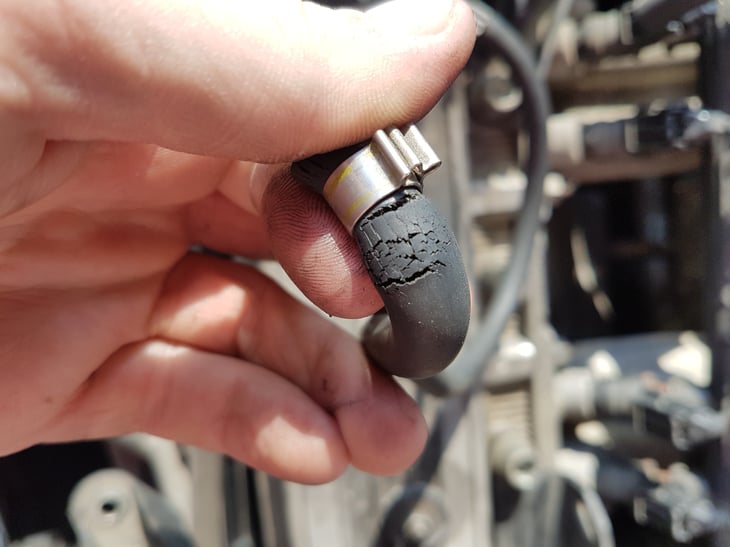
Extreme heat can damage a worn hose. Hoses are usually good for at least four years, but not always. Check them visually for leaks, cracks and peeling.
While the engine’s still warm, squeeze along the hose’s length. It should feel firm, but not hard. If the hose is spongy or soft in even one section, replace it before it fails and causes bigger problems.

3. Make sure your car has enough oil
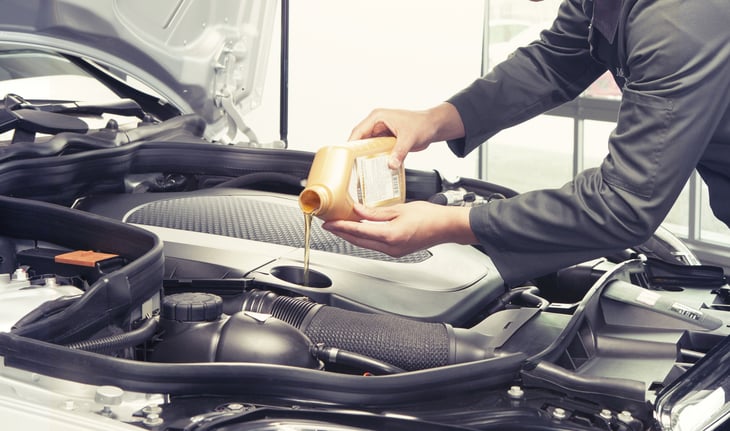
Oil lubricates a lot of moving parts and helps prevent overheating. If you’re low on oil — or the oil hasn’t been changed recently — you’ll put more pressure on your engine and your budget.
It’s easy to check, so make a regular habit of it. As long as the oil is a yellowish-brown and rises to the proper level indicated on your dipstick, you’re OK. Dark oil needs a change, and milky oil needs a mechanic.
Oil should be changed roughly every 5,000 to 7,500 miles, depending on your driving and the instructions in your owner’s manual.
4. Watch for battery issues
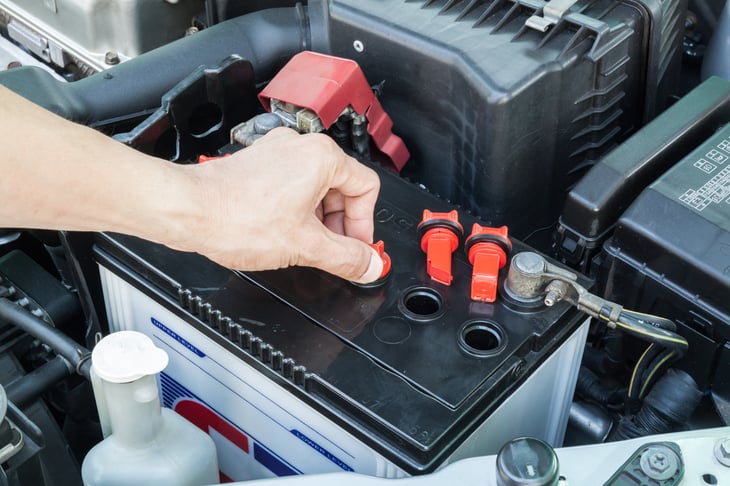
Battery problems are often associated with winter, but summer heat also can be tough — even fatal — for your battery. Watch for these signs:
- Lights dim at starting
- Power drain when turning on the air conditioning
- Slow cranking when you start the car
Some auto places will check your battery free of charge, and they commonly recommend you replace it every three years.
With the engine off, check for frayed wires and corrosion (a powdery buildup) around the terminals, where the cables are clamped to the battery posts. Make sure the clamps are firm, too.
If there is corrosion, don’t clean it with your bare hands — it’s acid. You can scrub it off with a disposable toothbrush and a mixture of baking soda and water.

5. Replace the cabin air filter
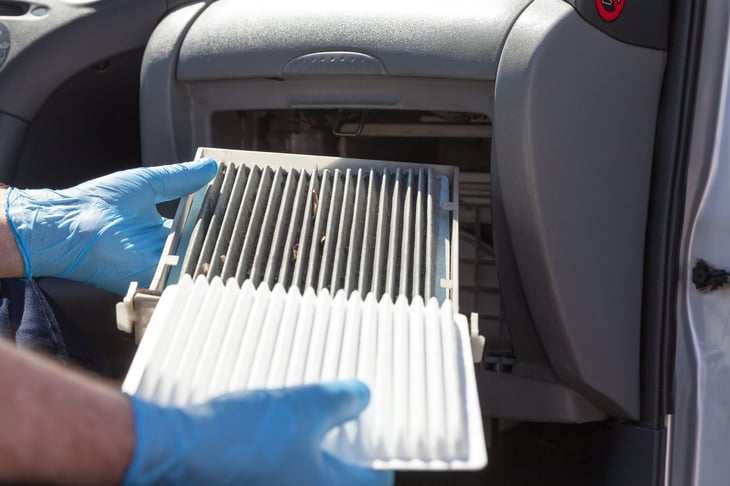
You want your air conditioning at its best in the summer. An easy way to check is to stick a thermometer through the vent to see how cool the air is.
If it’s not as cool as you’d like, the first thing to try is checking and replacing your car’s cabin air filter — it’s a $20 job you can handle yourself. It should be done every 15,000 to 30,000 miles, unless your owner’s manual says otherwise.
If that doesn’t help, it’s time to see a mechanic.

6. Keep an eye on the temperature gauge

Keep an eye on your temperature gauge and make sure it registers cool. High speeds, idling in traffic, running the AC or pulling a heavy load can cause your car to heat up faster.
If you’re worried you may be close to overheating, here’s a trick: Turn the air conditioning completely off and instead put the heater on high. This will vent some of the engine heat — right into your face, but it’s better than the alternative. You can open your windows and point the vents in that direction to make it less uncomfortable.
Don’t keep driving while your temperature gauge is in the red zone, unless it’s an emergency. Give the vehicle time to cool down and phone for help. Driving your overheated car can result in repairs that can cost thousands of dollars.

7. Check the tires

Heat affects tire pressure, so extreme weather introduces the risk of underinflation or overinflation. Use a hand pressure gauge to make sure your tires’ pressure matches what is in the owner’s manual or the specs listed on the side of the tires.
Check your tire treads with a penny: If you can see all of Abe’s head when you insert the one-cent coin, you don’t have enough tread.
You can get your mechanic to check all this, as well as the tires’ alignment and balance.

8. Be prepared for an emergency

Sometimes, even a reasonably well-maintained car will break down. Be sure you’re prepared for an emergency with some basic supplies, including water for the radiator, jumper cables, a flashlight and batteries, and a first-aid kit. Make sure you have an external charger for your cellphone as well.
You can buy ready-made car emergency kits online.


Add a Comment