


Home shoppers often look for an architectural style that appeals to them aesthetically. But a recent Realtor.com analysis noted that a home’s architectural style can have a big impact on how much it appreciates in value.
“Architecture isn’t just about aesthetics; it often reflects where and when a home was built, and what buyers prioritized. This report highlights the rich diversity of American housing styles and helps consumers understand how design trends intersect with affordability and demand,” Hannah Jones, senior economic research analyst at Realtor.com, said.
After looking at thousands of single-family listings during May, Realtor.com concluded that these architectural styles are seeing the biggest gains in value today.
Ranch style
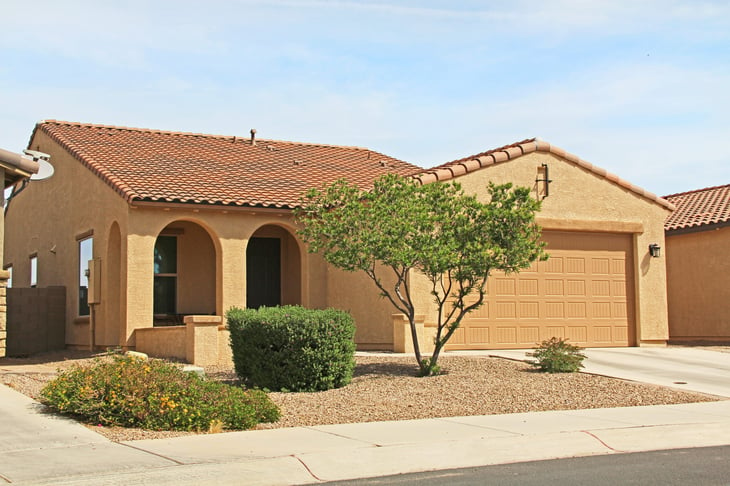
Over the past six years, the median list price change for ranch-style homes is 44.7%. Ranch-style homes are low and long and have just one story, with a patio or porch outside. They are a big hit with homebuyers in the South and Midwest.
Craftsman
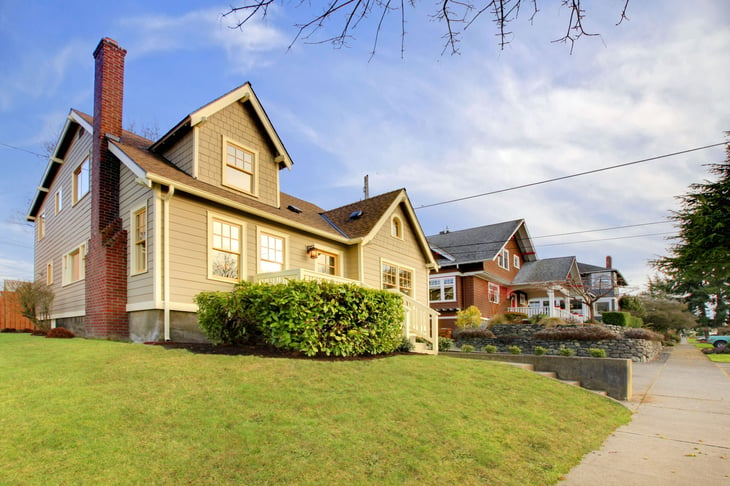
Over the past six years, the median list price change for Craftsman homes is 43.7%. Craftsman homes are either bungalows or homes with 1.5 stories. A covered front porch often sits at the front of the home. This style has found favor in the Pacific Northwest and parts of the Midwest.
Modern
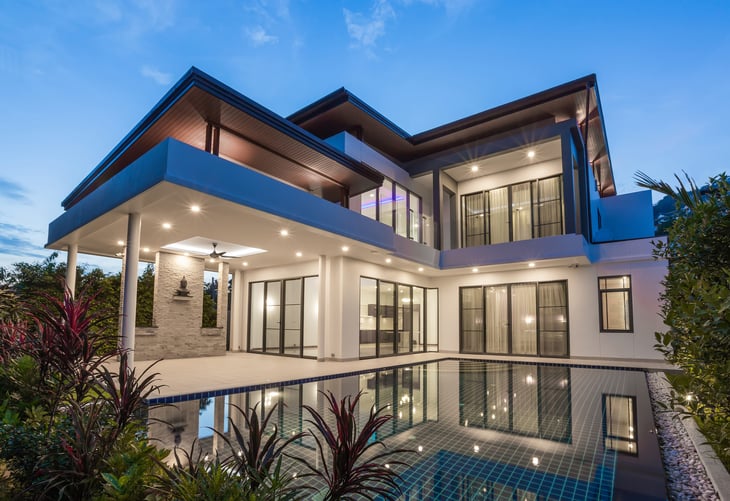
The median list price change for modern homes over the past six years is 43.5%. Modern homes were built during the early to middle part of the last century. They are known for clean lines, neutral colors and natural materials. Modern homes are especially popular in the West and Southwest.

How other architectural styles compare
Here is a rundown of other types of architectural styles and how much their values have grown over the past half-dozen years:
- Mediterranean: 36.8%
- Colonial/American traditional: 28.3%
- English-inspired: 27%
During the past year, Colonial/American traditional homes saw the biggest rise in value among architectural styles, at 5.6%.
At the other end of the spectrum, Mediterranean-style homes saw no price appreciation on average. These homes — which tend to be more expensive — fell victim to a slowdown in buyer demand in the West and South.
If you plan to shop for a home soon, check out “Buying a Home? Here Are 6 Signs a House Is a Money Pit.”

Add a Comment