


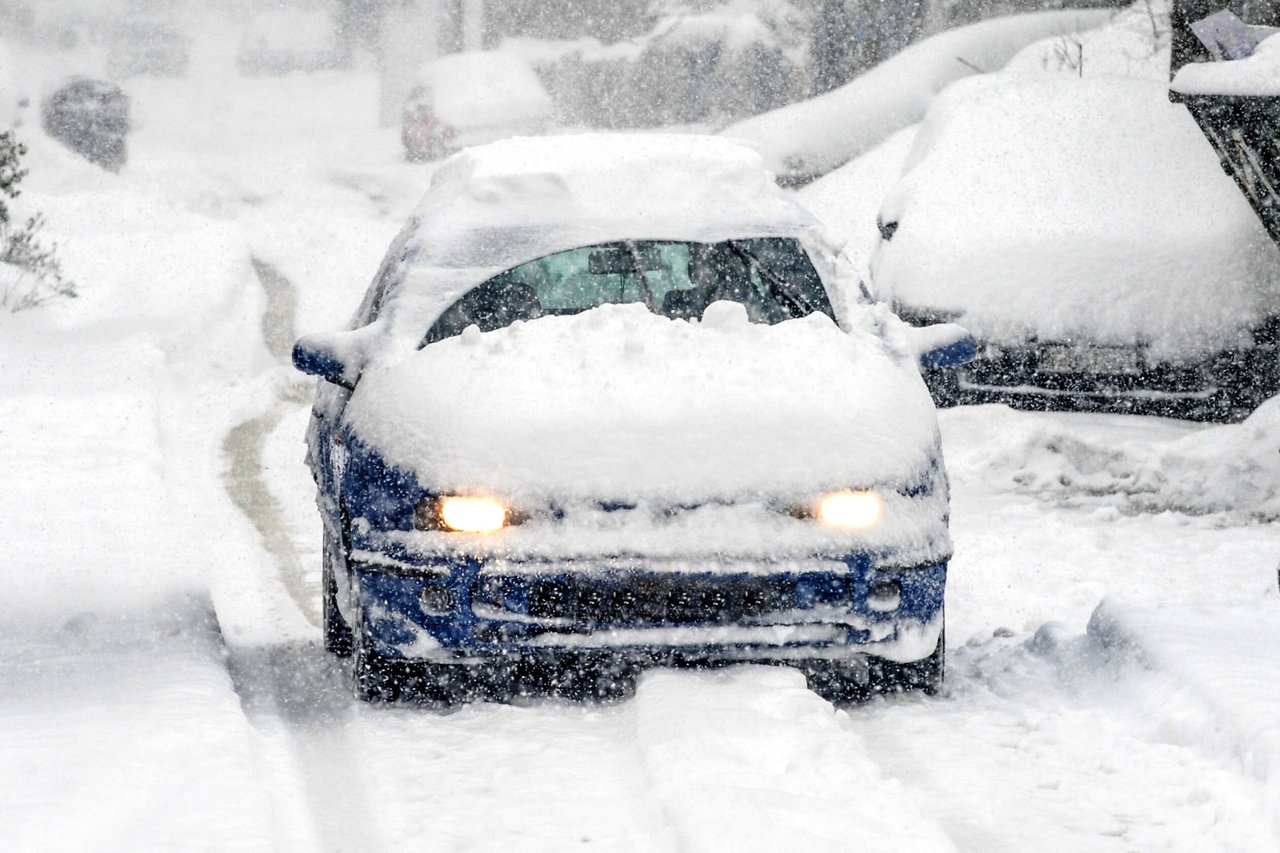
The last three months of the year bring the same pattern to one of the nation’s biggest insurers. On Oct. 16, Michael Klein, who runs personal insurance at Travelers, told analysts that the company’s fourth-quarter auto underlying loss ratio has historically run about 5 to 6 points above its average for the first three quarters.
He attributed this to “winter weather and holiday driving.”
Claims pile up when roads freeze and families head out of town. Federal figures averaging 2019 through 2023 show about 12% of crashes, nearly 745,000 a year, are weather-related. Roughly 220,000 of those involve snow, sleet or other freezing precipitation.
Your declarations page, usually at the front of the policy, answers most of the questions below in a few minutes.
1. Make sure you still carry collision
Sliding off an icy road and into a guardrail, a ditch or another car is a collision claim. Without collision coverage, there is no coverage for damage to the car itself, as Oregon’s insurance regulator points out.
Drivers sometimes drop collision once a car is paid off or getting older. That can make sense for a low-value vehicle. Before you decide, compare the annual cost of coverage with what you could afford to spend fixing or replacing the car yourself after a winter fender bender.
While you are on that page, check whether the premium still reflects how you drive. Insurers may price a policy differently for someone who drives fewer miles in retirement than a daily commuter.
2. Know what comprehensive covers
Comprehensive handles damage that does not come from a crash. Idaho’s Department of Insurance lists weather, fire, animal strikes, vandalism and theft among the examples, and Oregon’s regulator notes it covers a tree falling on a car.
That matters when heavy snow and ice bring down limbs onto a car parked in the driveway. Comprehensive carries its own deductible, which may differ from your collision deductible, so read both lines.
3. Set a deductible you can cover in cash
Raising a deductible from $500 to $1,000 can lower a premium. The trade-off comes when you file a claim: you pay that amount before the insurer covers the rest of the repair.
Before you raise it, make sure the money sits somewhere you can reach quickly and where it earns something while it waits. A separate savings account set aside for the deductible keeps it from getting spent on holiday gifts.
SoFi offers a combined checking and savings account with no account fees. With eligible direct deposit or $5,000 or more in qualifying deposits every 31 days, members can earn 3.30% APY on savings plus 0.50% APY on checking.
New members may also qualify for a limited-time APY boost that lifts savings up to 4.40% APY for up to six months. APYs are variable and can change at any time.
Earn up to 4.40% Annual Percentage Yield (APY) on one SoFi Savings account with a 1.10% APY Boost (added to the 3.30% APY as of 10/20/26) for up to 6 months. Open your first SoFi Checking and Savings account between 10/20/26 and 12/31/27, then within 60 days of account opening receive an eligible direct deposit OR $5,000 or more in qualifying deposits. You must maintain eligible direct deposit or $5,000 in qualifying deposits every 31 days to keep the Boost, for up to 6 months. Rates variable, subject to change.
Terms apply at sofi.com/banking. SoFi Bank, N.A. Member FDIC.
4. Check roadside help and rental coverage before holiday trips
Klein’s mention of holiday driving is a reminder that winter breakdowns often happen far from home. Roadside assistance, sometimes called towing and labor, generally covers a tow or other roadside help, though limits vary by insurer.
Rental reimbursement typically pays for a substitute vehicle while a covered repair is underway. It usually does not cover fuel, and you may owe the difference if you choose a pricier rental. Standard auto insurance does not include it automatically.
Before adding either one, check whether you already have roadside help through an auto club membership, a newer car’s warranty or a credit card benefit. Paying for the same tow twice saves nothing.
5. Review uninsured motorist coverage
The Insurance Research Council estimates 15.4% of drivers were uninsured in 2023. In Mississippi, the rate was 28.2%.
If one of those drivers slides into you on a slick road, uninsured motorist coverage can help when you or a passenger is injured or your vehicle is damaged. Requirements and limits vary by state, and your declarations page shows whether you have it and how much.
Auto pricing may work in your favor
Adding coverage may not mean a much bigger bill. At Travelers, renewal premiums in the auto book were slightly lower than a year earlier in the third quarter of 2026, and Klein said the company took about 10 rate decreases in auto during the quarter.
That makes late fall a reasonable time to price the coverage you want, not only the coverage you have. Pricing bundled and separate policies side by side can show where you stand. Once you settle on limits and deductibles, Insurify lets you compare real-time quotes side by side at no cost.


Add a Comment