



Editor's Note: This story originally appeared on Living on the Cheap.
With winter’s cold setting in, that utility bill jumped so high this month that it should have won an Olympic medal.
Want to save money and energy at the same time? From having smarter habits to making simple upgrades, ways to cut your energy bill are easier than you think.
You can lower your energy bill right now by being mindful of your electricity consumption. Even the smallest of changes can help reduce energy costs, and keep your utility bills low.
Here are simple tips for saving money by lowering your electricity bill and usage.
1. Adjust the thermostat

The easiest way to lower your energy bill is by turning down your thermostat by a few degrees. But that doesn’t mean you have to shiver all night in winter or be drenched in sweat come summer.
When it’s cold outside, lower the thermostat at night while you’re sleeping and when you’re away from the house; similarly, when it’s warm outside, turn down the A/C at those times.
Programmable thermostats are worth the hassle of installation because you can program them to lower and raise your home’s temperature and then forget about it. You can put one in by yourself, but it’s easier if you have a set of jeweler’s screwdrivers and good eyesight.
It’s also tempting to turn up the heat when you come in from the cold, but you can save money if you take off your coat and put on a sweater, giving your body time to adjust to the inside temperature. If you have floor registers, keep them clear of furniture, toys, draperies and other items that may block the heat.
Contrary to popular belief, you should not close the vents to unused rooms. The increased pressure on your heating and air-conditioning units can cause leaks to develop and make your unit work harder.
If the weather is warm and you have the central air or the air conditioner working, check exterior doors and windows to make sure they are properly closed. Close doors to basements and attics.

2. Save while you sleep

Ask your electric company if they have a “time-of-use” or TOU rate. You can save money by switching your usage of certain appliances away from peak times of the day.
You can lower your energy bill without any discomfort by running the dishwasher, dryer or sprinklers at night.

3. Stop setting and forgetting

Do you plug in the electric kettle to boil water, then forget about it? If you do, you have to heat the water again for that pot of tea or cup of instant coffee. How many times do you restart the dryer?
It’s easy to walk away and forget those energy-sucking appliances.
If you make sure you start with appropriate settings, and set timers or stay close while water or food is heating, you can lower your energy usage and cut electricity costs.

4. Turn off unused lights and appliances
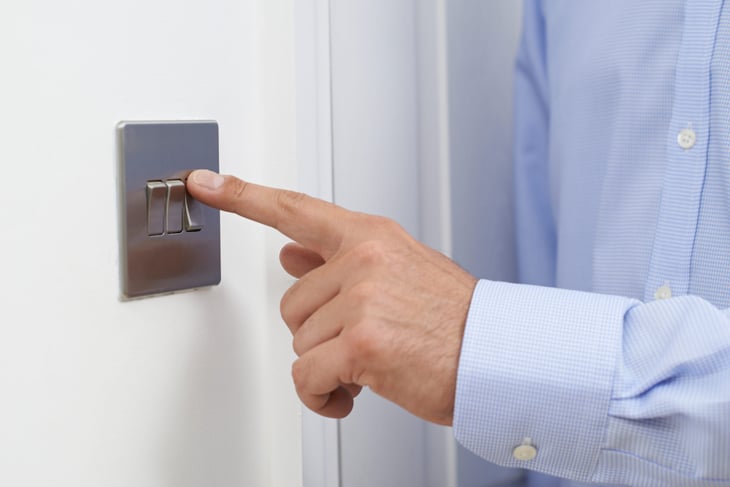
It’s an old savings trick, and we’ve all heard our parents tell us to turn off the lights when we leave a room. It makes the list of best easy ways to save on electricity.
How much you save on your electric bill also will depend on the types of light bulbs you are using.

5. Increase your fireplace efficiency

If you have a working fireplace, make sure you turn down the furnace when it is in use.
You also can increase your fireplace efficiency by opening a nearby window just an inch or so. This allows the fireplace to draw cooler air into the chimney and push warm air into the room.
Be sure to close the fireplace damper when the fireplace is not in use, otherwise your warm interior air goes right up the chimney, allowing cooler air to take its place in the room.

6. Switch to flashlights

Do you turn on lights for those nightly bathroom visits? Do your children ask to keep a light on when they sleep? Consider using a flashlight instead.
Mechanically powered flashlights are often kept for emergency use, but there is no reason you can’t use them all the time.
When you shake, crank or pump these flashlights, energy passes through a coiled wire and is collected and stored in a capacitor. Don’t worry: You don’t have to know how it works, just that it can be recharged over and over again.
Beware of fakes that actually have batteries inside — the shaking is only for your amusement and the flashlight eventually bites the dust.
The kids will love having one of these hand-powered flashlights to leave on their nightstands.

7. Use smart strips for electronic accessories

When you turn off the television, all those wonderful electrical connections stay on. The DVD player, the video game player, even the cable box is on standby. They all lurk quietly, red eyes gleaming, clocks ticking off the time until you reach for that remote.
They use “vampire energy” — a trickle of electricity that many appliances draw just by being plugged into the wall. Ideally, you’d unplug them all at night or when you’re finished using them, but it’s a real pain, especially since many are attached to outlets behind furniture.
Enter the smart strip.
Plug your television to the main plug on a smart strip and plug all the accessories into the spots dedicated to “responders” or devices used with the television. Then, when you turn off the television, everything else is turned off at the same time.
You can also use the strip for computers and their corresponding gadgets. The strip (which is also a surge protector) uses energy, but nothing compared to the total energy consumed by the appliances you’ve plugged into it. You can save money by avoiding the trickle.

What household appliance uses the most energy?
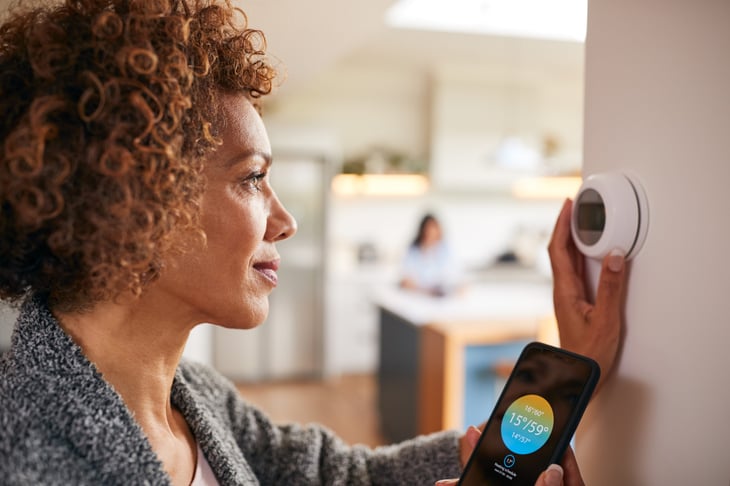
The HVAC system is usually the biggest energy hog in most homes, accounting for about 40%-50% of energy use.
Energy costs typically peak in July or August due to high air conditioning use in summer or January in colder regions with heavy heating needs.
The most expensive month depends on where you live. In hot climates, summer months drive up energy bills, while colder areas see a spike in winter heating costs.


Add a Comment